Analysts say the tariff shock has compounded the export-driven economy's structural weaknesses, with manufacturing already under strain.
BERLIN, Dec. 30 (Xinhua) -- Germany's economy remains mired in stagnation as 2025 draws to a close, following two consecutive years of contraction. Early-year hopes of a modest recovery were dashed by an unexpected escalation of tariffs by the United States.
Germany's leading economic institutes are forecasting growth of just 0.1 percent for the year, after repeatedly cutting projections that had stood at 0.8 percent last autumn. The downgrades followed Washington's decision to raise duties earlier in 2025.
Analysts say the tariff shock has compounded the export-driven economy's structural weaknesses, with manufacturing already under strain. The combination of weaker external demand, eroded confidence, and limited traction from domestic policy has once again pushed recovery out of reach.
EXPORTS TAKE FIRST HIT
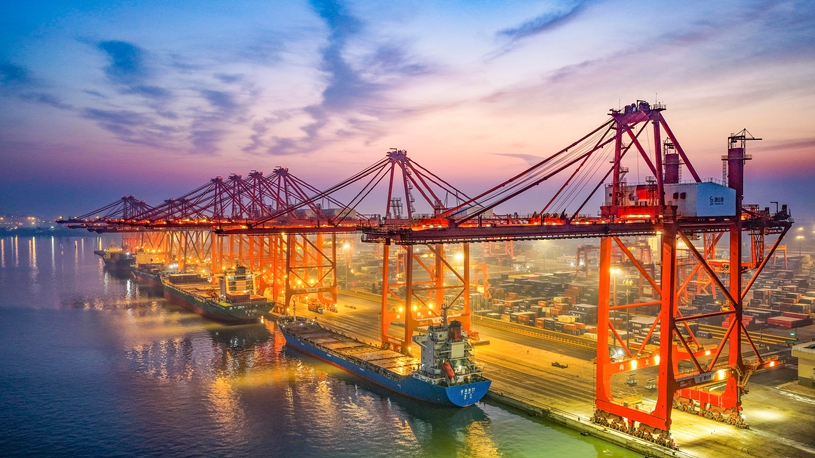
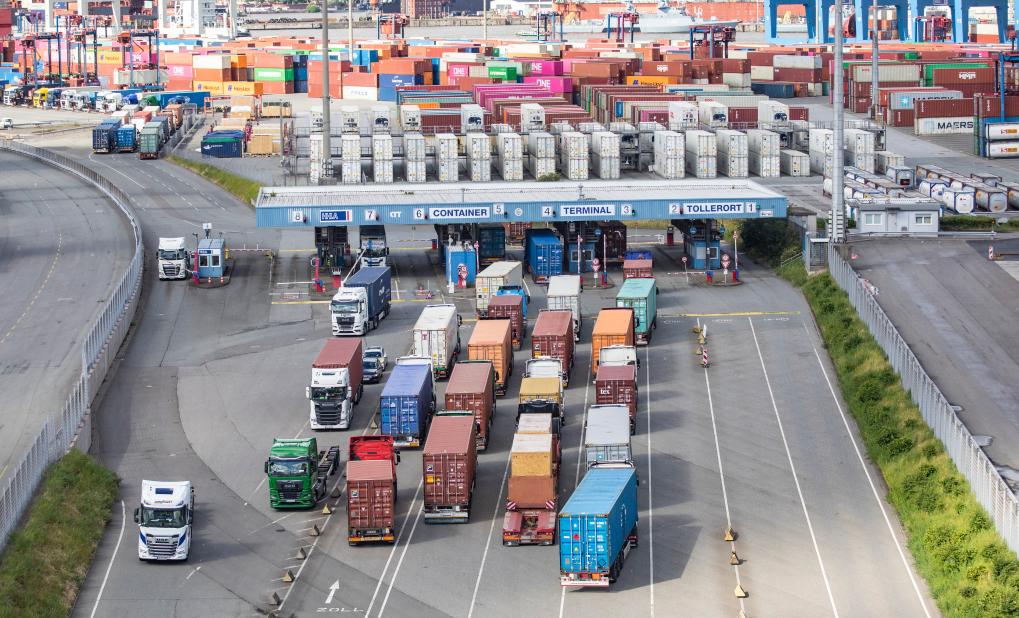
Overseas shipments represent more than 40 percent of Germany's gross domestic product (GDP), and for decades they have helped cushion the economy during downturns.
In 2025, however, that long-standing buffer has faded. With the United States among Germany's main export destinations, exporters have been hit hard by the higher U.S. tariffs.
The tariffs have hit sectors that underpin Germany's export strength, led by the automotive industry. A report published last week by the German Economic Institute (IW) showed that exports of German-made cars and auto parts to the United States, the largest category of shipments to that market, fell 13.9 percent year-on-year in the first three quarters of 2025. Shipments of mechanical engineering and chemical products, meanwhile, both declined by around 10 percent.
Germany's overall exports to the United States dropped 7.8 percent during this period. IW economist Samina Sultan said steep U.S. tariffs on cars, steel and aluminum were a decisive factor, with the fall in shipments to the U.S. market alone shaving 0.81 percentage points off Germany's global export growth this year.
Business groups see little sign of a near-term rebound. The German Wholesale and Foreign Trade Association (BGA) expects exports to fall by 2.5 percent in 2025, below earlier projections. BGA President Dirk Jandura on Monday highlighted how vulnerable Germany has become amid rising protectionism, since the country's prosperity is closely tied to open global trade.
"Looking ahead, German exports are still facing rough headwinds," said Carsten Brzeski, global head of macro at ING, noting that a swift return of exports as a key driver of growth seems unlikely as the U.S. tariff pressure remains.
KNOCK-ON EFFECTS FOR INDUSTRY
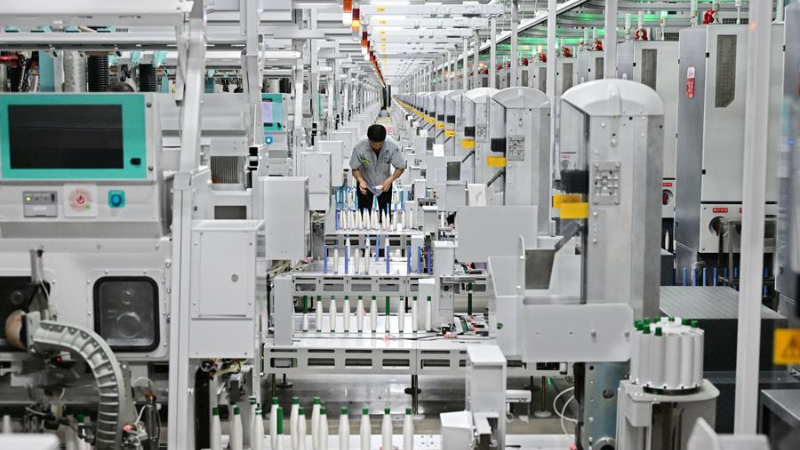
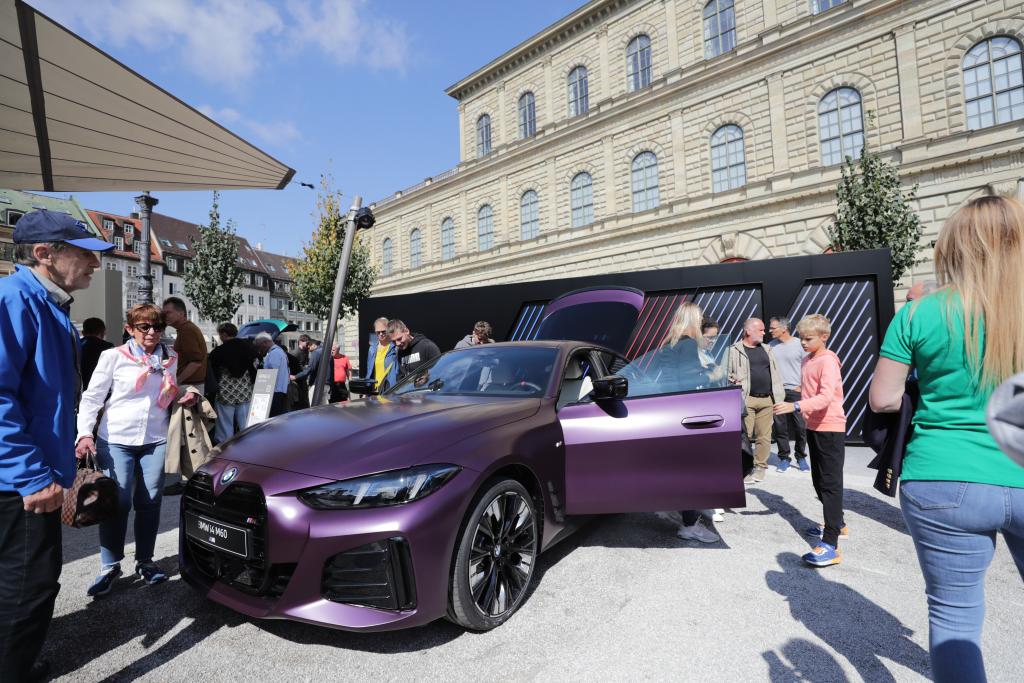
Manufacturing, which accounts for roughly one-fifth of Germany's gross value added, has become an increasing drag on the economy.
Economists have repeatedly warned that the sector faces deep-seated structural problems, from high costs to weak investment. This year, external shocks, including U.S. tariffs, have compounded those strains, prompting firms to postpone investment plans and reassess Germany's attractiveness as a production base.
A joint report by consultancy Deloitte and the Federation of German Industries (BDI) found that around one in five German manufacturing firms have already shifted production abroad, an increase of 8 percentage points over the past two years. "U.S. tariff policies are accelerating the relocation of German industry," the report said.
Manufacturing activity has remained in contraction throughout 2025, with the HCOB Germany Manufacturing PMI compiled by S&P Global staying below the 50-point threshold. The index is expected to fall to 47.7 in December, its weakest reading in 10 months.
The downturn is also reflected in industry assessments. In its annual report, BDI said German industrial output is set to shrink by 2 percent this year, marking a fourth straight year of decline. The industrial base is "in free fall," said BDI President Peter Leibinger.
Looking ahead, an ifo Institute survey showed that over one in four manufacturing firms expect conditions to worsen in 2026, while over half foresee stagnation. "Companies remain very cautious, and there is no spirit of optimism to be seen anywhere," said Klaus Wohlrabe, ifo's head of surveys.
DOMESTIC MEASURES SLOW TO GAIN TRACTION
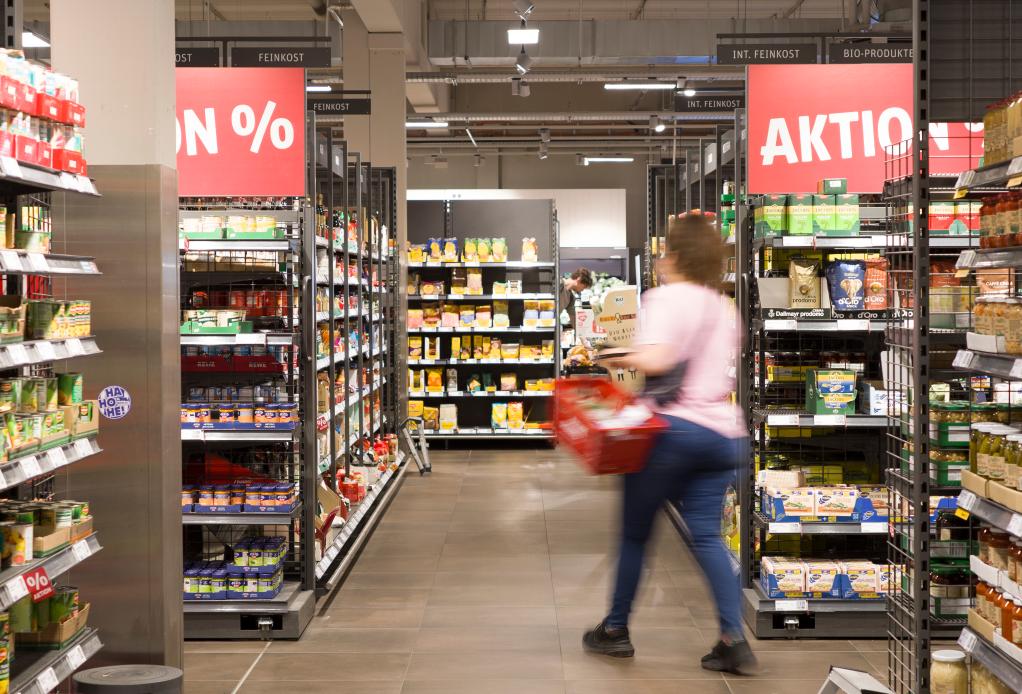
With exports faltering and industry under mounting strain, Germany's economy ministry has said recovery now needs to be driven by domestic demand rather than exports, citing uncertainty over U.S. trade policy and a stronger euro.
Earlier this year, Berlin unveiled an ambitious fiscal package, including a 500-billion-euro (588-billion-U.S.-dollar) infrastructure fund and plans to ease the debt brake for defense spending. The government has also launched a joint investment initiative with large companies, which is worth more than 100 billion euros.
Economists initially described the package as a "shot in the arm" for the sluggish economy, but as the year progressed, policy uncertainty stemming from divisions within the ruling coalition slowed the rollout of the measures. After improving steadily from the start of the year through the summer, from September the ifo business climate index turned cautious again.
In its annual report to the federal government, the German Council of Economic Experts warned that fiscal stimulus and large investment funds had so far failed to revive the economy. The panel argued that deeper structural reforms and innovation would be needed to restore competitiveness and confidence in the economy.
Berlin is now placing greater emphasis on public investment and reforms. Investment is set to reach 126.7 billion euros under the 2026 federal budget.
Research institutes now expect the economy to expand by around 0.8 percent in 2026, depending on how effectively domestic policies are implemented, and on the evolution of U.S. trade policy. (1 euro = 1.18 U.S. dollar)■