BEIJING, Dec. 30 (Xinhua) -- The following are the top 10 world news events in the year of 2025 selected by Xinhua:
1. China's head-of-state diplomacy advances cause of peace, development
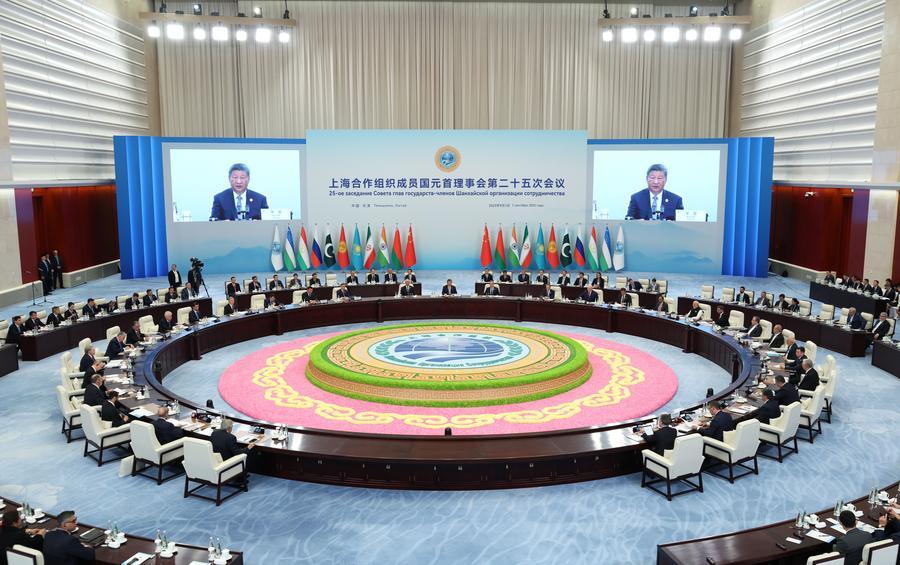
Over the past year, Chinese President Xi Jinping attended the Shanghai Cooperation Organization (SCO) Tianjin Summit, the grand gathering to commemorate the 80th anniversary of the victory in the Chinese People's War of Resistance against Japanese Aggression and the World Anti-Fascist War and the Global Leaders' Meeting on Women, among other events. He paid visits to three Southeast Asian countries, Russia and South Korea, and attended the Second China-Central Asia Summit, the 32nd APEC Economic Leaders' Meeting, a virtual BRICS Summit, and delivered a video speech to the United Nations Climate Summit.
Xi also held in-depth talks and exchanges with leaders of various countries and international political figures, and reached out to the people of various countries through meetings, letters and other means.
With a keen insight into the trend of the times, Xi proposed the Global Governance Initiative following the three major global initiatives, which has received a broad response and support from the international community, making significant contributions to the noble cause of peace and development for humanity.
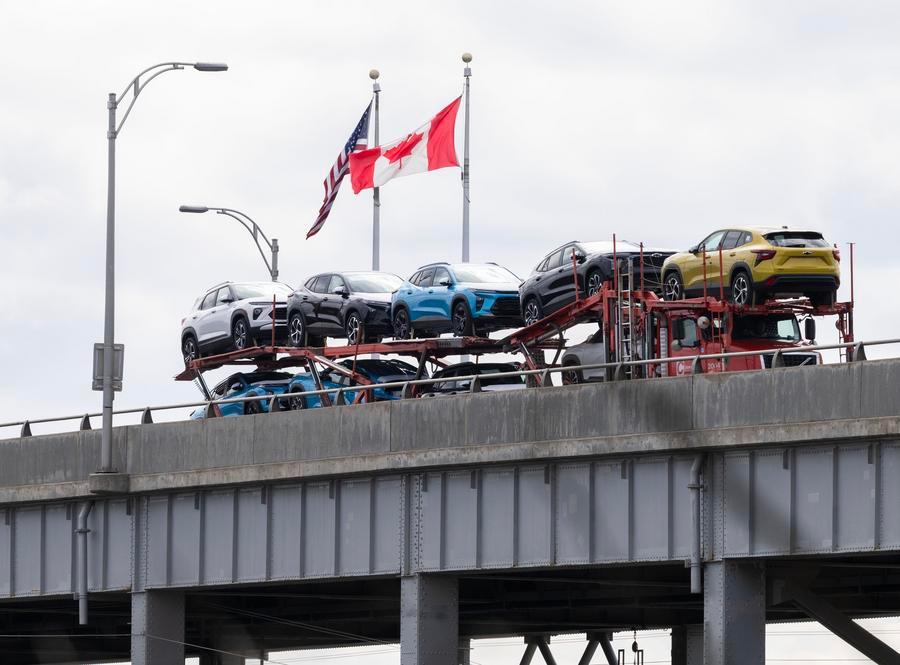
2. U.S.-initiated tariff war severely impacts multilateral trade system
On April 2, the United States announced the imposition of so-called "reciprocal tariffs" on a vast majority of its trading partners. Over the past year, Washington has successively imposed or threatened additional tariffs on products including steel, aluminum, automobiles, films and semiconductors, lifting effective tariff rates to their highest level in nearly a century.
The move, which dealt a serious blow to the multilateral trading system and severely disrupted the normal international trade order, has drawn strong criticism from the international community. Many countries have rolled out countermeasures and accelerated efforts to reduce the risk of reliance on the U.S. market by diversifying trade and investment. Several U.S. courts have also ruled that the large-scale tariff policies violate the law.
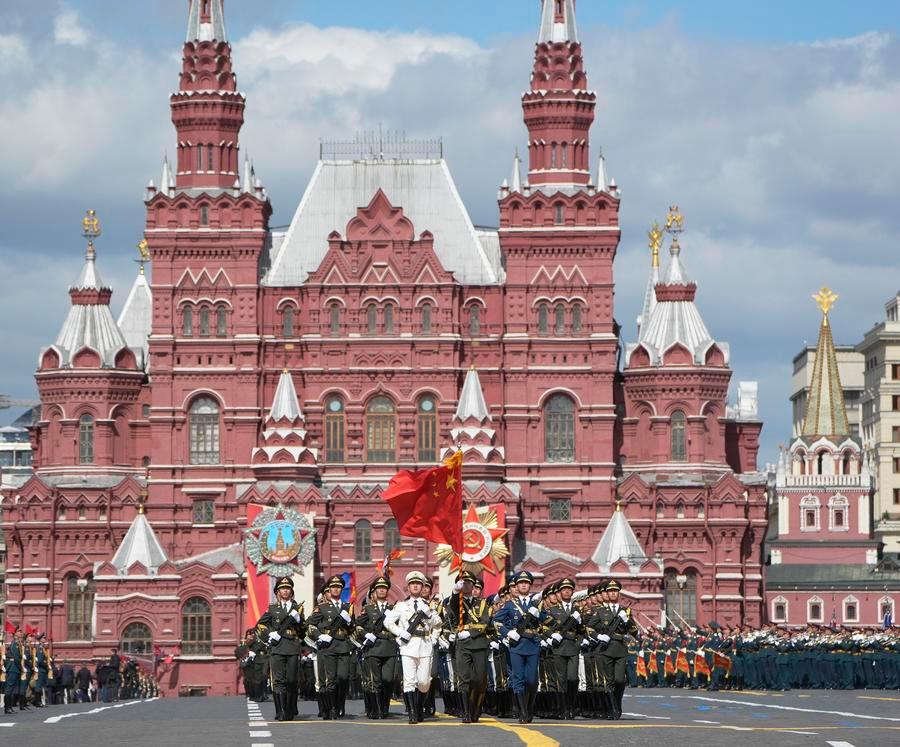
3. International community marks 80th anniversary of WWII victory
The year 2025 marks the 80th anniversary of the victory of the World Anti-Fascist War and the establishment of the United Nations. The international community has held various forms of commemorative activities.
On May 7, the UN General Assembly convened a special solemn meeting in commemoration of all victims of World War II (WWII), as the international community marks the 80th anniversary of the war's end. On May 9, Xi attended Russia's celebrations marking the 80th anniversary of the victory in the Soviet Union's Great Patriotic War. On Sept. 3, Xi addressed the grand gathering to commemorate the 80th anniversary of the victory in the Chinese People's War of Resistance against Japanese Aggression and the World Anti-Fascist War.
In a series of bilateral and multilateral engagements, Xi called for promoting a correct view of history, defending the fruits of the victory in World War II, upholding the UN-centered international system, practicing true multilateralism and upholding international fairness and justice.
4. Explosive AI development requires strengthened governance
Over the past year, artificial intelligence (AI) technologies have undergone rapid evolution. Large models such as DeepSeek and ChatGPT have advanced at a remarkable pace, while applications including intelligent agents and embodied intelligence have emerged in quick succession. Their deep integration with the real economy has become increasingly evident, empowering a wide range of industries and entering households across the world.
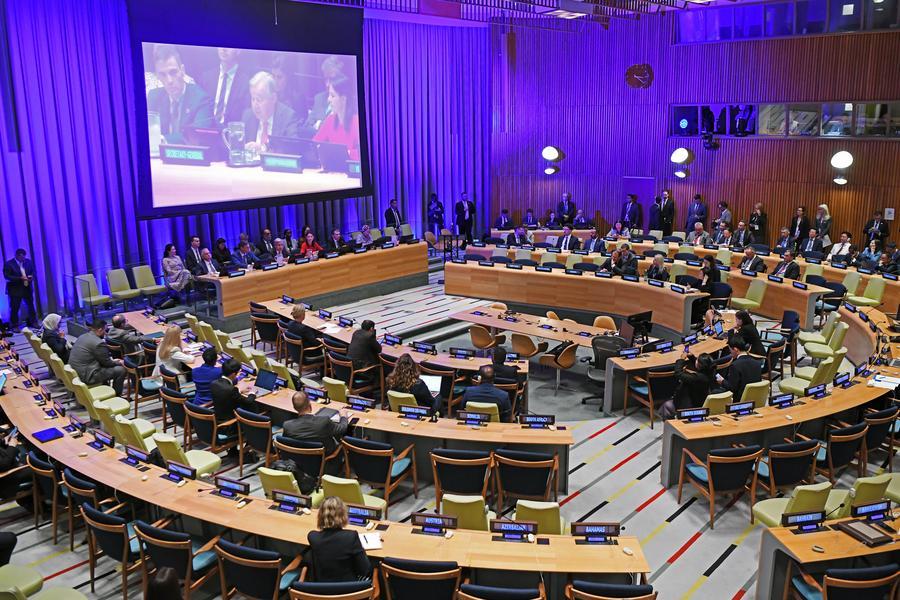
The risks and challenges brought by AI have drawn extensive attention. The United Nations launched this year two mechanisms, namely the UN Independent International Scientific Panel on AI and the Global Dialogue on AI Governance.
In Shanghai, the 2025 World Artificial Intelligence Conference and High-Level Meeting on Global AI Governance published the Global AI Governance Action Plan. China has proposed the establishment of a World AI Cooperation Organization and put forward an "AI Plus" international cooperation initiative, in a bid to promote AI development for good and for all.
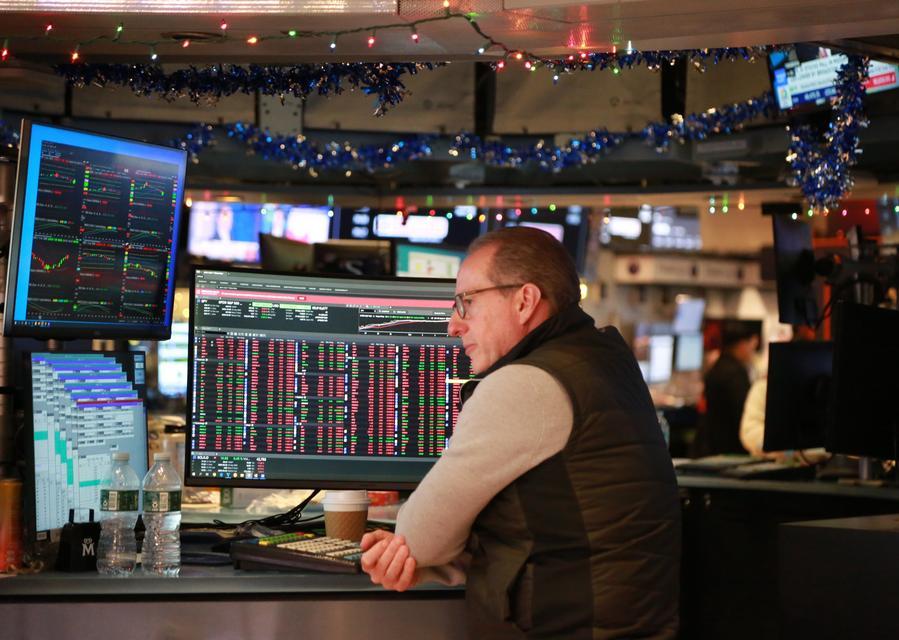
5. Global market turbulence intensifies economic risks
In October, international gold prices topped 4,000 U.S. dollars per ounce for the first time. Gold prices have surged, affected by factors including the shutdown of the U.S. federal government. The U.S. Fed has cut interest rates three times since September, with further monetary easing undermining the attractiveness of U.S. dollar-denominated assets.
Heightened concerns among international capital over geopolitical tensions and risks to dollar credibility have driven funds toward gold, a traditional safe-haven asset. Central banks around the world have continued to increase their gold holdings, pushing official gold reserves to the highest level in nearly a decade. The decline in dollar credibility and the surge in gold prices reflect rising structural risks in the global economy and underscore deep-seated turbulence in the international monetary system.
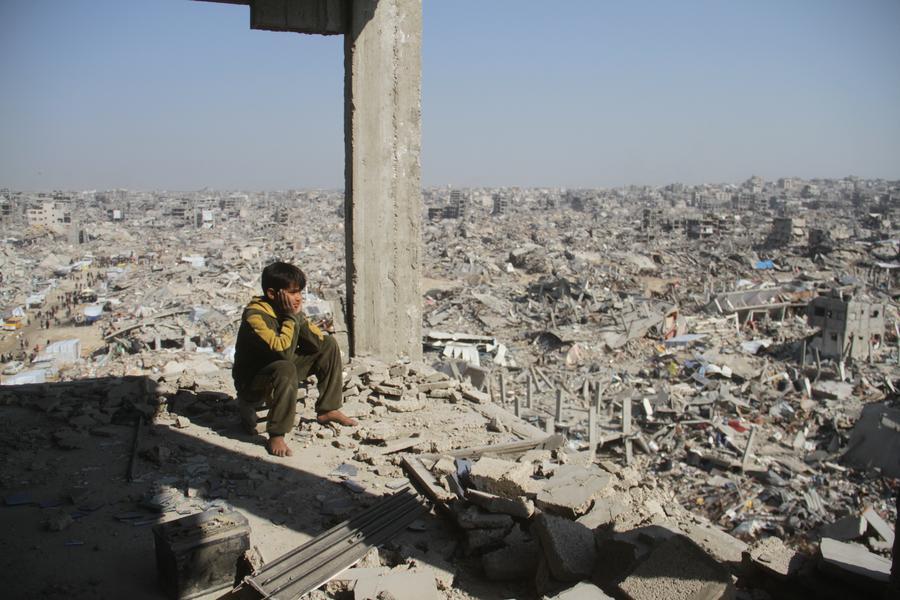
6. Mideast conflicts inflict catastrophic losses, peace remains elusive
On Oct. 9, Israel and the Palestinian Islamic Resistance Movement (Hamas) reached a first-phase ceasefire agreement in Gaza, though sporadic violence has continued. More than two years of prolonged fighting have triggered an unprecedented humanitarian catastrophe in Gaza, with over 70,000 people killed, more than 170,000 injured and nearly 2 million displaced.
Over the past year, conflicts have flared repeatedly across the region, including the Israel-Palestine conflict, Israel-Lebanon conflict, Israel-Iran conflict and confrontations involving Yemen's Houthi forces and Israel. The United States' strikes on Iranian nuclear facilities under International Atomic Energy Agency safeguards have set a dangerous precedent. The political and diplomatic process to resolve the Iranian nuclear issue has reached a stalemate. Achieving lasting peace and stability in the Middle East still requires sustained and concerted efforts by the international community.
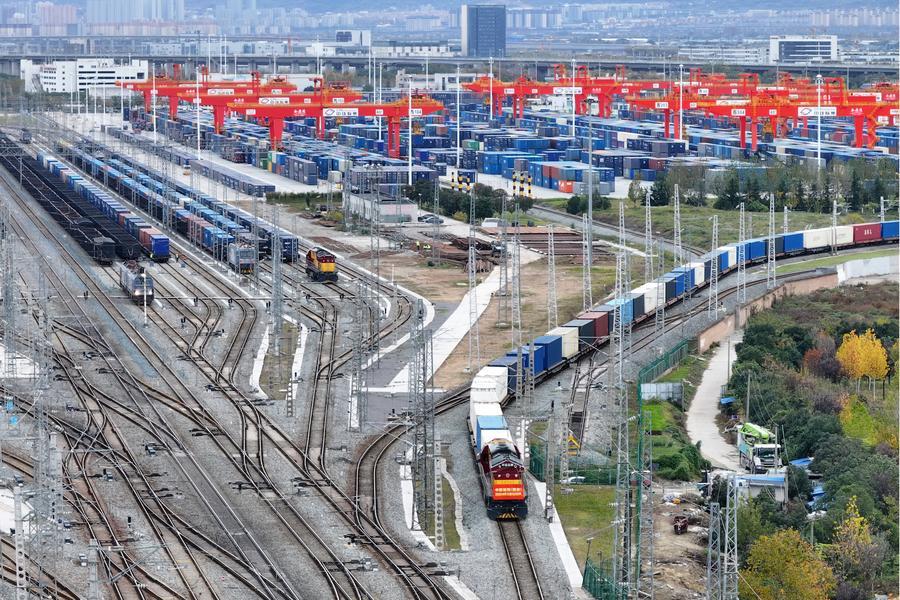
7. Draft of the 15th Five-Year Plan adds positive momentum to world
In late October, the Fourth Plenary Session of the 20th Central Committee of the Communist Party of China adopted the recommendations for formulating the 15th Five-Year Plan for Economic and Social Development, charting a blueprint for China's development over the next five years and drawing widespread attention from the international community.
Observers worldwide have noted that the recommendations propose steadily expanding institutional opening-up, safeguarding the multilateral trading system, promoting broader international economic flows, and advancing reform and development through greater openness.
The move sends a strong signal of China's commitment to sharing opportunities and pursuing common development with the rest of the world. As China continues to press ahead with Chinese modernization, ensure high-quality development and firmly expand high-standard opening-up, it is injecting positive energy into global economic growth.
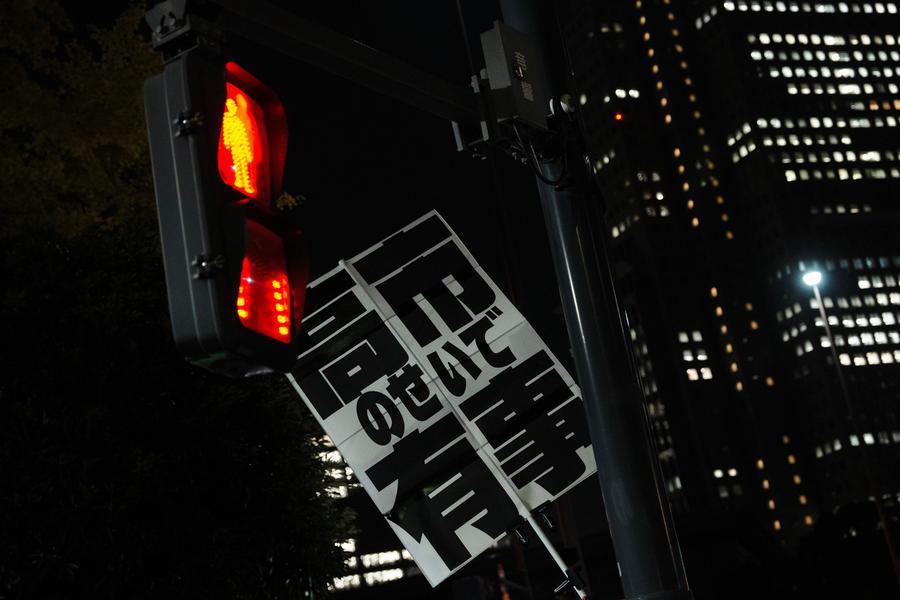
8. Japan's defiance of justice prompts international vigilance
On Nov. 7, Japanese Prime Minister Sanae Takaichi blatantly claimed that a "Taiwan contingency" could constitute a so-called "survival-threatening situation" for Japan, which could trigger its right to collective self-defense. Takaichi's erroneous remarks on Taiwan constitute a gross interference in China's internal affairs, seriously violate international law and the basic norms governing international relations and gravely undermine the postwar international order. Her remarks also violate the one-China principle and the spirit of the four political documents between China and Japan, damage the political foundation of China-Japan relations and have aroused strong indignation among the Chinese people.
Presently, right-wing forces in Japan are accelerating military expansion, making pro-nuclear remarks, and attempting to revise the three non-nuclear principles. The dangerous trends of reviving militarism and challenging justice and fairness have both drawn doubts and criticism from insightful figures within Japan and raised high vigilance from the international community.
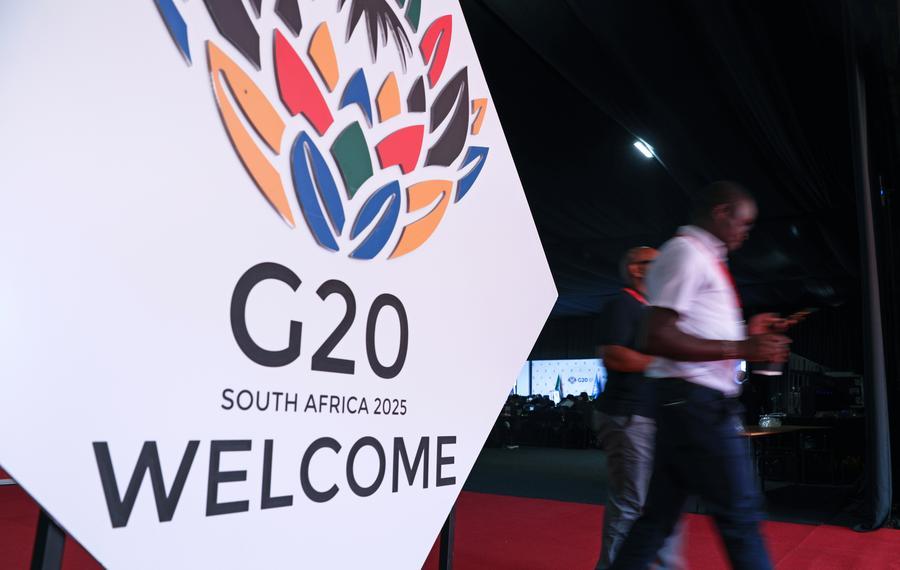
9. G20 Summit held in Africa for first time
The Group of 20 (G20) Summit opened in Johannesburg on Nov. 22, marking the first summit of the kind on the African continent. Despite the boycott and resistance from the United States to the issuance of an outcome document, participating parties adopted a joint declaration on the first day of the summit, stressing the need to address global challenges through multilateral cooperation.
Over the past year, China, Brazil and Qatar also hosted the Shanghai Cooperation Organization summit, the UN Climate Change Conference and the World Summit for Social Development, respectively, ushering in a moment of "Global South Time" in global governance. The collective rise of the Global South has become an important force in safeguarding world peace, promoting common development and improving global governance.
10. Political turmoil across multiple countries
Over the past year, political landscapes in many countries have been rocked by intense upheaval. South Korean President Yoon Suk Yeol was removed from office. Thailand's Prime Minister Paetongtarn Shinawatra was removed from office following a phone-recording controversy. Japanese Prime Minister Shigeru Ishiba abruptly announced his resignation. Peruvian President Dina Boluarte faced impeachment proceedings in Congress. Coups also occurred in countries including Madagascar and Guinea-Bissau.
Meanwhile, far-right candidates made strong gains in presidential elections in Poland, Romania and Chile, while far-right parties secured record numbers of seats in parliamentary elections in Germany, Portugal and Japan. Political turbulence, compounded by economic and social development challenges, underscores a global situation marked by intertwined instability and changes. ■