BEIJING, Oct. 20 (Xinhua) -- As developing countries seek pathways to energy transition, China's renewable energy supply chains, engineering capabilities and operational expertise are opening up new possibilities for renewable energy development.
From solar farms in Southeast Asia to off-grid systems in rural Africa, China's clean energy projects are expanding electricity access, creating jobs and building local skills.
In 2021, China pledged to stop building new coal-fired power plants overseas. Green energy has since become a focus of cooperation with Belt and Road partner countries, with Chinese companies involved in solar, wind and hydropower projects that support local energy transitions.
SOLAR PARTNERSHIP DRIVES LOW-CARBON GROWTH
Across Southeast Asia, Chinese-built renewable energy projects are helping meet rising power demand and cut emissions.
In Indonesia's West Java province, the 100-megawatt Karawang photovoltaic project, constructed by China Electric Power Construction Group Hubei Engineering Co., Ltd., began operation in 2024.
It supplies clean electricity to the industrial park in Karawang, cutting annual carbon dioxide emissions by 19,800 tons and saving about 8,800 tons of standard coal.
The project has also strengthened local expertise. During construction, the Chinese team trained more than 300 Indonesian workers, helping build a local workforce capable of independently installing solar systems.
In Vietnam, PowerChina Jiangxi Electric Power Engineering Co., Ltd. built the 330-megawatt Phu My Solar Power Plant in Gia Lai province. Engineers adapted equipment and mounting structures to withstand coastal salt corrosion, high temperatures and typhoons.
The plant generates about 520 million kilowatt-hours annually, reducing carbon dioxide emissions by roughly 400,000 tons a year. Construction has created more than 2,000 local jobs, while training helped develop skills in renewable energy operations and maintenance.
Beyond solar energy, China-Vietnam energy cooperation now spans wind, hydropower and waste-to-energy, broadening the two countries' clean energy partnership.
CLEAN POWER CUTS ENERGY COSTS
In Pakistan, Chinese solar products and technology are helping diversify an energy mix long reliant on thermal power.
As the South Asian country grapples with high electricity costs and unreliable supply, expanding solar capacity has brought clean power to millions of households.
Chinese companies have also introduced flexible installment plans to make solar systems more affordable, helping families lower electricity bills.
The under-construction China-built Mohmand Hydropower Project in Pakistan is expected to generate 2.86 billion kilowatt-hours annually and has created more than 5,000 local jobs, strengthening Pakistan's construction capabilities.
China's green energy projects also support economic development in partner countries. Construction creates local jobs and trains skilled workers, while solar panels and energy storage systems help grow supply chains in infrastructure, logistics and maintenance.
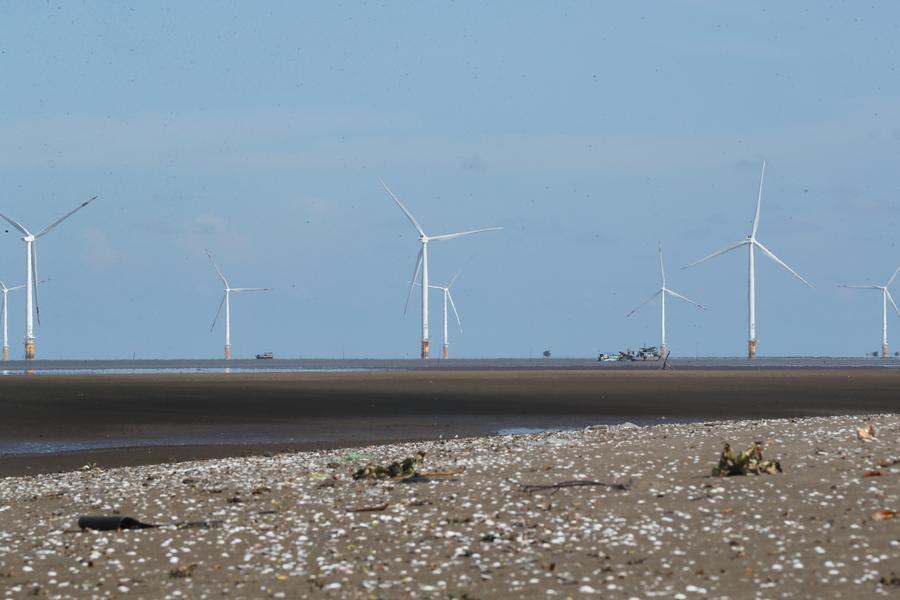
With no fuel costs, wind and solar power offer more predictable long-term generation costs than fossil fuels, helping reduce electricity bills for households and businesses while providing affordable power for local industries.
OFF-GRID SOLAR EXPANDS ENERGY ACCESS
Across Africa's vast landscapes, dispersed populations and complex terrain have made conventional grid expansion costly and difficult. Many rural and pastoral communities remain without reliable electricity.
China has responded with lightweight, easy-to-install off-grid solar and storage systems. Operating independently of main grids, they deliver stable power and help close "the last mile" of energy access.
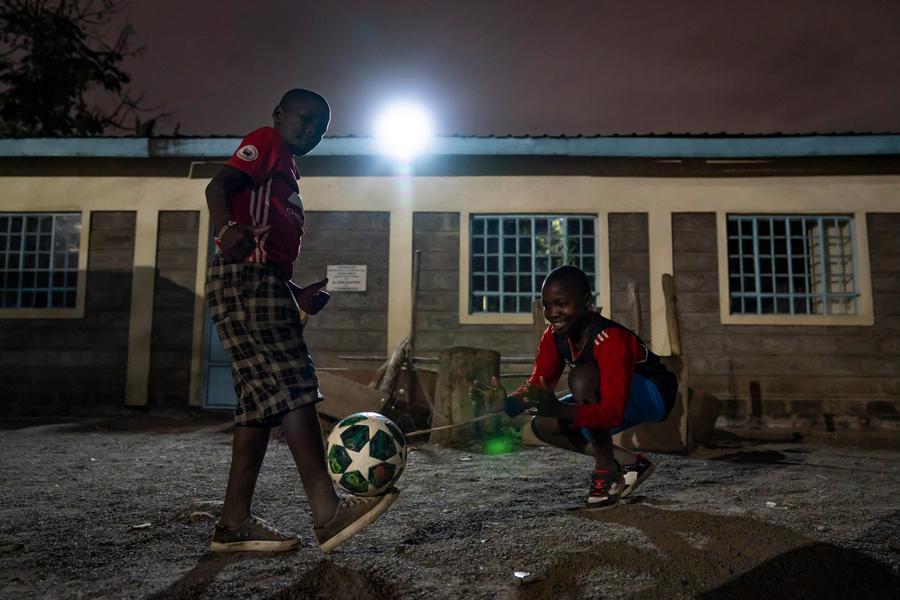
In Kenya's pastoral areas, remote villages and refugee camps, Chinese solar equipment has replaced costly, polluting diesel generators. It now supports daily life, local festivals and small businesses.
Solar lighting has extended school hours in rural areas, while photovoltaic irrigation pumps have cut farming costs and increased crop yields by about 30 percent in some cases.
Clean, stable and affordable green power is doing more than lighting homes. It is strengthening education, agriculture and small-scale economies, creating steadier income for local people.
China's overseas energy cooperation has shifted from coal-fired projects to green energy partnerships. By combining project construction with technology transfer and talent training, it helps partner countries build self-sustaining green energy systems.
As high-quality Belt and Road cooperation deepens, China is helping developing countries turn wind, solar and water resources into drivers of growth, improving livelihoods while advancing a shared low-carbon future. ■