BEIJING, Oct. 19 (Xinhua) -- China's investment in innovation-driven sectors held up well in the first three quarters of 2026, even as overall fixed-asset investment continued to contract, official data showed on Monday.
Investment in intellectual property products rose 9.3 percent year on year in the Jan.-Sept. period, while investment in high-tech industries grew 4.9 percent, the National Bureau of Statistics (NBS) said in a statement.
Notably, several sectors posted particularly strong gains. Investment in information services surged 20.2 percent from a year earlier, and aerospace equipment manufacturing investment climbed 12.5 percent, while investment in electronic and communications equipment manufacturing rose 7.6 percent.
The resilience of these sectors stands in contrast to the broader investment picture. Total fixed-asset investment fell 7.2 percent year on year to 33.41 trillion yuan (4.97 trillion U.S. dollars) in the first three quarters of 2026, dragged down in part by a slump in real estate investment. Excluding real estate development investment, total fixed-asset investment declined 4.2 percent.
In breakdown, infrastructure investment fell 4.2 percent year on year in the first nine months of 2026, manufacturing investment dropped 2.1 percent, and real estate development investment declined 20.6 percent in this period. Private sector investment, meanwhile, contracted by 10.4 percent.
While overall growth has slowed, investment is playing an increasingly important role in optimizing supply and driving innovation, Mao Shengyong, deputy head of the NBS, told a press conference on Monday.
Analysts said the current pullback in overall investment reflects a transition from a traditional investment model to a new one.
"Investment is undergoing a profound shift in emphasis from traditional sectors to emerging ones, and from scale expansion to efficiency improvement," said Liu Yuanchun, president of Shanghai University of Finance and Economics.
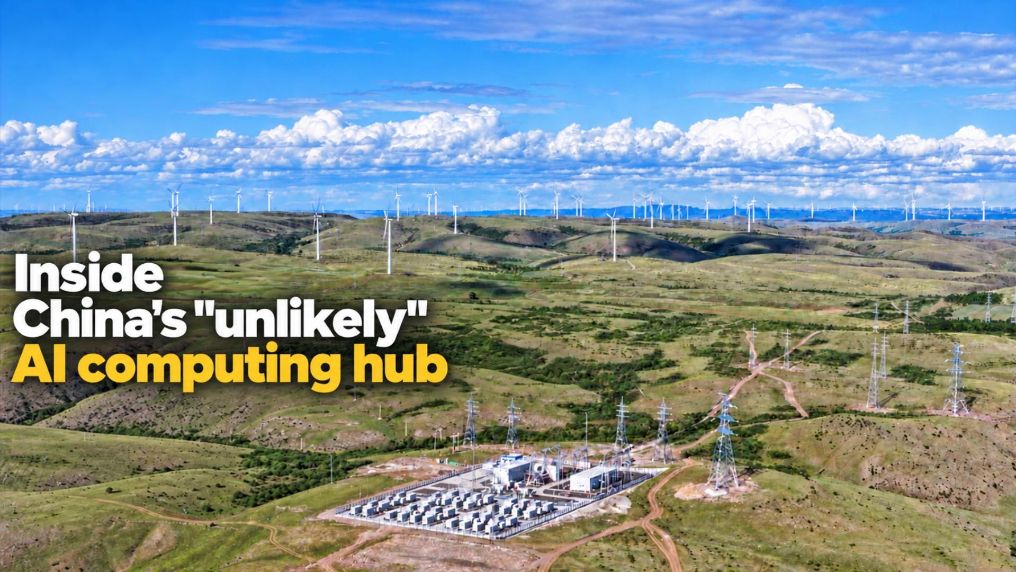
China's effective investment space remains vast over the medium and long term, Liu said, noting that artificial intelligence (AI) and new infrastructure will serve as key engines for the next round of effective investment.
The expansion of AI applications is spurring sustained investment across industrial chains.
NBS data revealed that in the first three quarters of 2026, investment in electronic circuit manufacturing surged 58.7 percent year on year, and integrated circuit manufacturing investment rose 14.2 percent. Meanwhile, companies are accelerating their shift toward intelligent operations, driving a 9.7 percent increase in investment in equipment and tools purchases.
In terms of new infrastructure, China's "six networks" initiative, covering water, power, computing, communications, urban underground pipelines and logistics networks, represents a major investment opportunity. It is estimated that investment in these six networks and related areas will exceed 7 trillion yuan in 2026.
Investment will increasingly serve the development of new quality productive forces and the building of a modern industrial system, with the ultimate results felt in expanded employment, rising incomes and improved living standards, Liu said. ■