*As AI technologies advance rapidly, a growing number of Chinese demand-driven innovations are emerging, injecting fresh momentum into the global digital economy.
*According to Jiang Xiaojuan, professor at the University of Chinese Academy of Social Sciences, these breakthroughs stem from China's innovation model, which prioritizes openness, sharing and serving people's needs -- principles that increasingly define the evolution of the digital economy in the AI era.
*Facing complex global challenges such as data security, cross-border data flows and increasingly blurred technological boundaries, experts called for the establishment of regular multilateral dialogue mechanisms and industrial cooperation channels to jointly build a secure and trustworthy digital future.
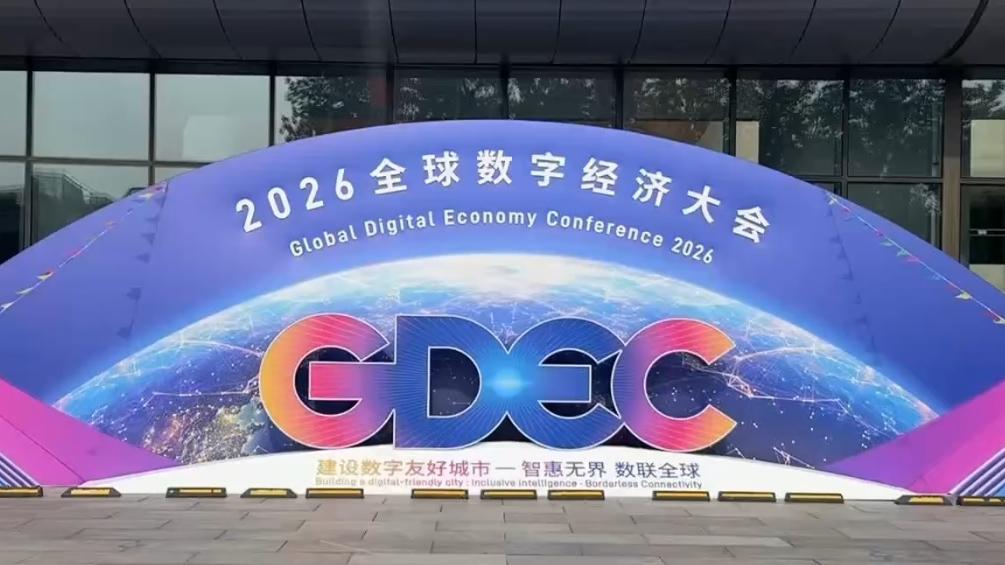
BEIJING, July 5 (Xinhua) -- Guided by a digital avatar, visitors at the 2026 Global Digital Economy Conference in Beijing stand before an intelligent diagnostic device to complete facial and ocular scanning. Within minutes, a personalized health report is generated, which once required in-person examinations conducted by traditional Chinese medicine (TCM) practitioners.
Zhou Chao, business manager at Guanwei Intelligent Technology (Beijing) Co., Ltd., the device's developer, said the company leverages AI to digitize, standardize and modernize TCM diagnosis and treatment, enabling time-honored medical wisdom to benefit more people worldwide.
The intelligent diagnostic device is already available in over a dozen language versions, including English, Korean, Russian and Thai, and is expanding into overseas markets, Zhou added.
The technology was among the many innovative products and digital solutions displayed by global creators at the conference, held in Beijing from Thursday to Sunday. With a focus on addressing diverse human needs, many exhibits offered a preview of a people-centered future for the digital economy in China and across the world.
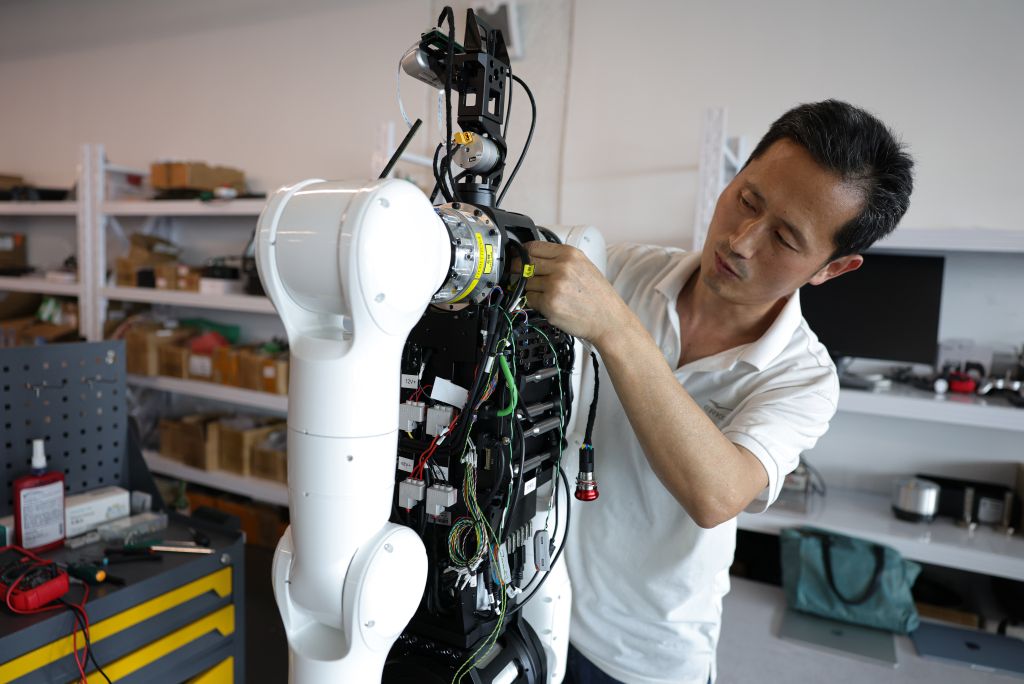
Another standout innovator, intelligent robotics firm Xiaoyubot, showcased its state-of-the-art smart welding system at the event.
Inside the exhibition hall, a staff member marked a path across steel structures with a positioning pen and selected a welding procedure. A robotic arm instantly positioned itself and commenced automated welding operations.
According to the company, new operators can master the system in just three minutes. The technology can be widely applied in shipyards, steel-structure workshops and other industrial welding scenarios.
Beyond improving efficiency in shipbuilding and construction-component manufacturing, the system relieves workers from harsh operating conditions characterized by intense heat, glaring light and heavy toxic fumes.
"The ultimate value of embodied intelligence lies in serving the real economy," said Qiao Zhongliang, Xiaoyubot's founder and CEO.
Founded in 2023, the company has focused on industrial applications, particularly intelligent welding, a field with strong market demand. Xiaoyubot will continue to advance industrial embodied intelligence and contribute to the intelligent transformation of manufacturing, Qiao said.
As AI technologies advance rapidly, a growing number of Chinese demand-driven innovations are emerging, injecting fresh momentum into the global digital economy.
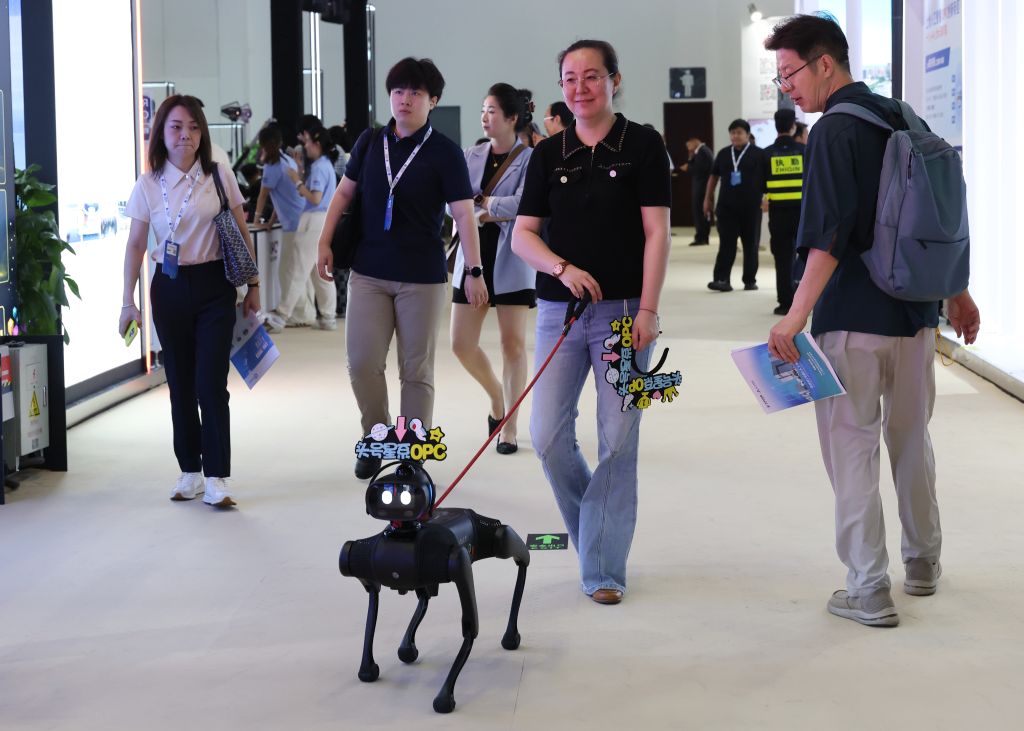
Across Beijing and many other Chinese cities, robot dogs and AI-powered travel photography services have become popular among children and young adults, reflecting the deepening integration of digital technologies into daily life.
Beyond China's borders, ByteDance's flagship product TikTok has expanded to more than 100 countries and regions, while Doubao's overseas version, Dola, has become a widely discussed topic on international social media platforms.
Meanwhile, Zhipu AI has launched large-model infrastructure projects in countries including Singapore, the United Arab Emirates and Saudi Arabia, helping more overseas users access the convenience of AI-powered digital services.
"We are witnessing extraordinary breakthroughs in technology today, particularly in AI innovations," said Joe Weinman, founder of the International Institute for Future Industries.
"China in general, and Beijing in particular, is leading the world in many of these technologies through a powerful combination of government support, academic excellence, entrepreneurial innovation and highly talented individuals. By bringing together data, algorithms, computing infrastructure and human talent, these new productive forces are creating highly capable yet affordable solutions that will benefit not only China but also the wider world," he said.
According to Jiang Xiaojuan, professor at the University of Chinese Academy of Social Sciences, these breakthroughs stem from China's innovation model, which prioritizes openness, sharing and serving people's needs -- principles that increasingly define the evolution of the digital economy in the AI era.
Unlike the manufacturing era, when companies often expanded overseas only after achieving scale at home, large AI models are inherently global from the outset, Jiang said.
Open-source AI models can rapidly narrow capability gaps among companies in different countries, significantly reducing the cost of cross-border innovation and collaboration while creating new opportunities for economic growth worldwide, she added.
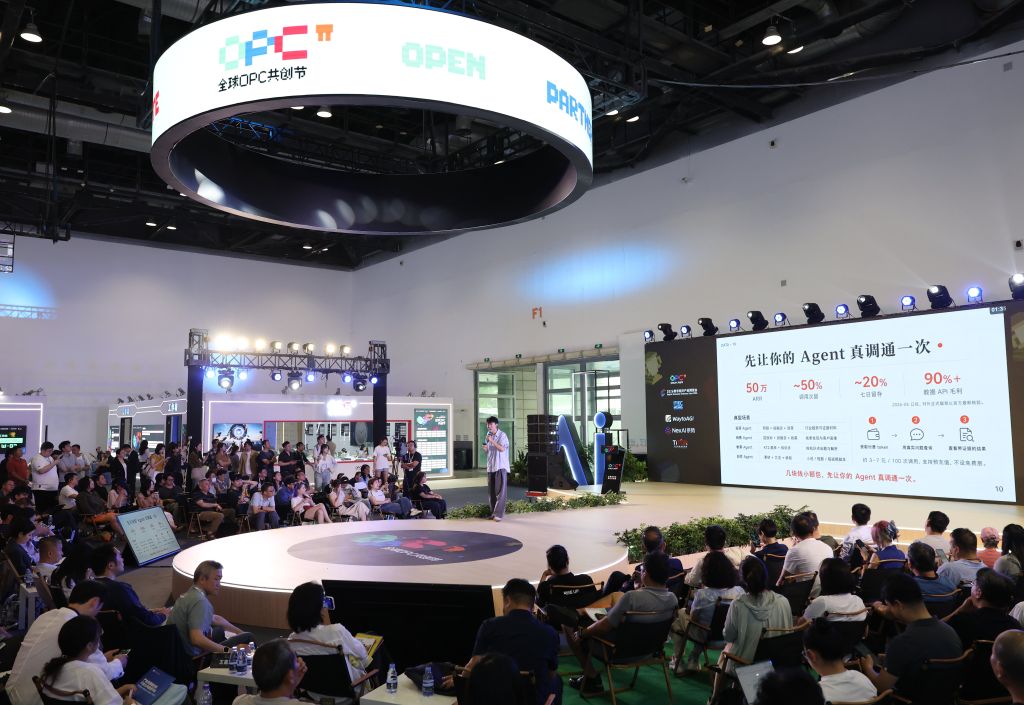
China is accelerating the deployment of digital and intelligent technologies across its entire economic landscape.
The country's 15th Five-Year Plan (2026-2030) calls for strengthening core digital economy industries and fostering internationally competitive digital industrial clusters. It also emphasizes leveraging digital technologies and data resources to enrich people's lives and improve public well-being through deeper integration in education, healthcare, elderly care, culture and tourism, employment and consumption.
Facing complex global challenges such as data security, cross-border data flows and increasingly blurred technological boundaries, experts attending the conference called for the establishment of regular multilateral dialogue mechanisms and industrial cooperation channels to jointly build a secure and trustworthy digital future.
The 2026 Global Digital Economy Cities Report, released during the conference, identified people-centered digitalization, industrial collaboration, data openness, mutual recognition of standards, cybersecurity and alliance-based cooperation as key priorities for future digital economy partnerships. The report also called for continued efforts to foster a trustworthy, inclusive and sustainable environment for digital development.
"Whether it is the digital economy or AI, neither is an end in itself -- they are all agents for promoting the sustainable development of humanity," said Gong Ke, executive president of the Chinese Institute of New Generation Artificial Intelligence Development Strategies. ■