The WHO has also noted that, unlike Ebola Zaire, there are currently no approved therapeutics or vaccines specifically targeting the Bundibugyo virus, increasing concerns about potential regional spread.
KINSHASA, May 19 (Xinhua) -- The latest Ebola outbreak in the Democratic Republic of the Congo (DRC) has spread beyond its initial epicenter in Ituri province to additional areas in eastern DRC, with confirmed imported cases reported in neighboring Uganda, prompting the World Health Organization (WHO) to declare an international public health emergency.
About 435 suspected cases as well as 116 suspected deaths have been reported, DRC Government Spokesperson Patrick Muyaya said late Monday as health authorities race to contain the outbreak amid growing fears of wider regional transmission.
WHY THIS OUTBREAK IS DIFFERENT?
The outbreak is caused by the Bundibugyo virus, a rarer Ebola strain than the Zaire strain that has driven most previous outbreaks in the DRC.
Jean-Jacques Muyembe, director of the DRC's National Institute of Biomedical Research, said the country has recorded 17 Ebola outbreaks since 1976, most caused by the Zaire strain. The Bundibugyo strain, however, has appeared only once before in the country, after first being identified in Uganda in 2007 and later causing an outbreak in eastern DRC in 2012.
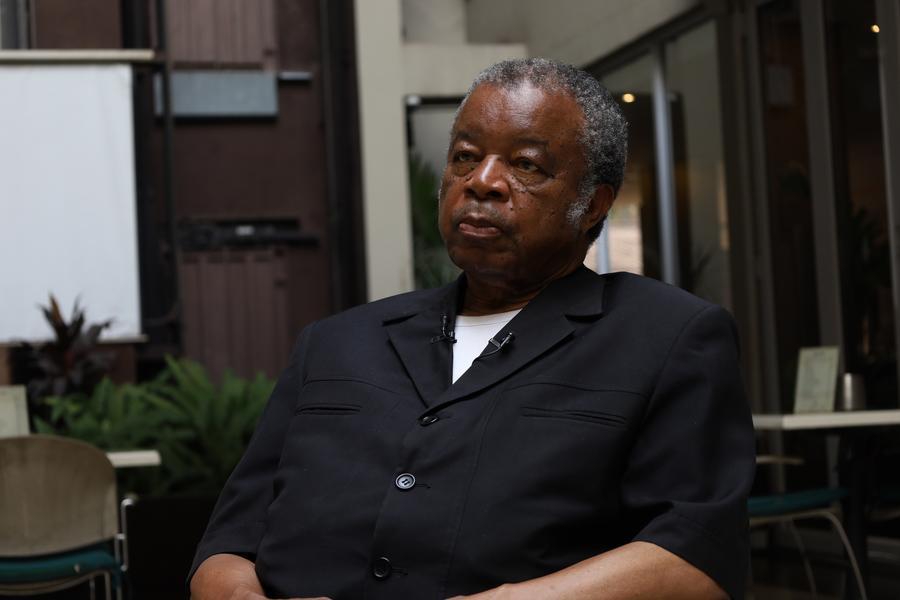
He said the Zaire strain is generally more lethal, with fatality rates that can exceed 80 percent, while Bundibugyo is estimated to be less deadly. However, he warned that the current outbreak remains dangerous because it was detected late, is spreading in a conflict-affected region, and involves a strain for which no approved vaccine or specific treatment is available.
The WHO has also noted that, unlike Ebola Zaire, there are currently no approved therapeutics or vaccines specifically targeting the Bundibugyo virus, increasing concerns about potential regional spread. Officials of the Africa Centers for Disease Control and Prevention said vaccine candidates are under consideration for research, but remain at an early stage.
WHY DETECTED LATE?
Health officials and experts have identified two main reasons for the delayed detection: the outbreak may have been spreading for weeks before confirmation, and early laboratory tests were looking for the wrong Ebola strain.
According to authorities in Kinshasa, the presumed index case was a nurse in Ituri's Rwampara health zone who died after developing symptoms. However, Africa Centers for Disease Control and Prevention Director General Jean Kaseya said the true index case had not yet been identified.
"This outbreak started in April. So far, we don't know the index case. It means we don't know how far the magnitude of this outbreak is," Kaseya said Saturday.
Muyembe said the outbreak was discovered "very late, even too late," largely because early samples were tested with tools designed to detect Ebola Zaire, not Bundibugyo.
He said samples initially tested negative because local laboratories were using tools specific to Ebola Zaire. Broader testing conducted later in Kinshasa detected the Bundibugyo virus in several samples.
The WHO said it received an alert on May 5 about suspected cases and later deployed a mission to Ituri. This helped confirm the outbreak after weeks of unexplained deaths in the region.
WHAT IS BEING DONE?
Muyembe said the risk of further spread is high in eastern DRC due to population movement and the challenges of responding in a conflict zone. He warned that the virus could spread beyond the current health zones to other areas or provinces.
Insecurity complicates response efforts, including the safety of health workers, sample transport, supply delivery, patient transfers and communication with communities, he said, recalling that health workers were killed and facilities attacked during the 2018-2020 Ebola outbreak.
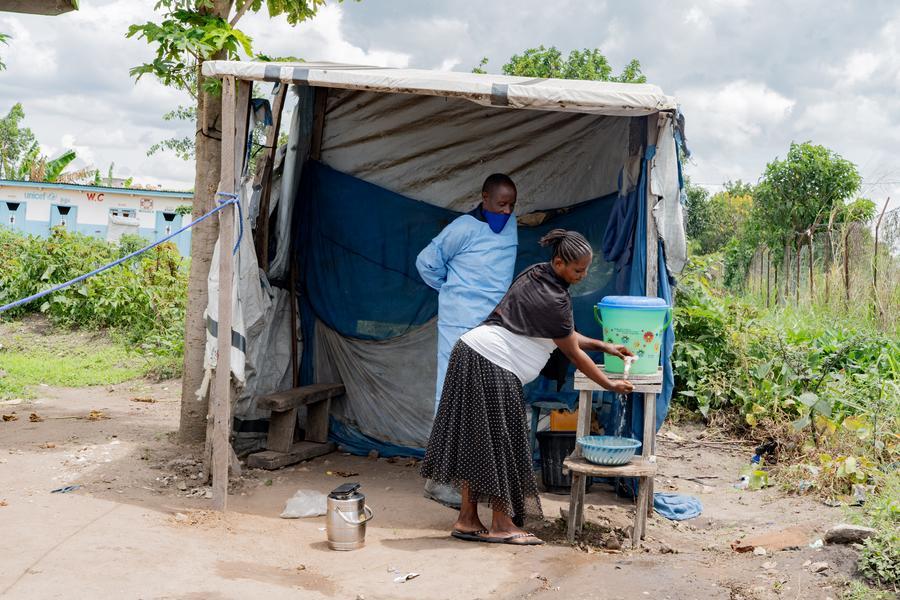
With no specific vaccine or treatment for the Bundibugyo strain, health officials said response efforts rely on basic measures such as isolating patients, contact tracing and community engagement. Muyembe noted that a 2012 outbreak of the same strain in northeastern DRC's Isiro was contained through such public health interventions.
"If you break the chain of transmission, you can control the outbreak," he said, adding that standard care techniques for hospitalized patients could help stop its spread if properly applied.
Health Minister Roger Kamba said on Sunday that three new treatment sites are being built in the country to increase the capacity of health facilities in the face of the scale of the epidemic.
Neighboring countries, including Rwanda, Burundi and Tanzania, have stepped up surveillance, border screening and emergency preparedness measures. ■