From polo figurines to silk paintings, Xinjiang's artifacts reveal a deep history of cultural and sporting exchanges between East and West.
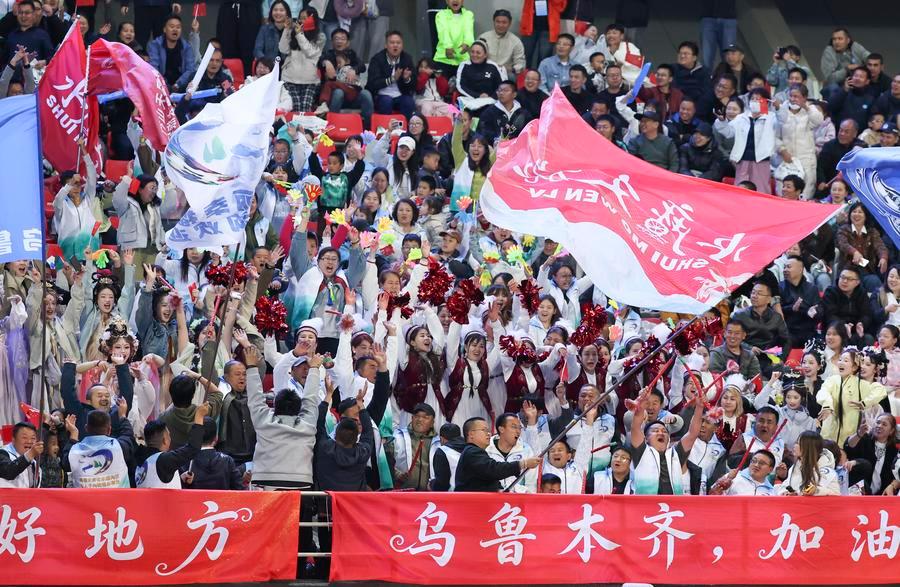
URUMQI, May 18 (Xinhua) -- As music echoed through the stadium in Urumqi, capital of China's Xinjiang Uygur Autonomous Region, thousands of fans filled the stands for the opening ceremony of the Xinjiang Football Super League on Saturday night, waving flags and chanting in celebration of a sport deeply rooted in life across northwest China.
Xinjiang has increasingly emerged as an important force in Chinese football, producing national team players such as Behram Abduweli and Umidjan Yusup. Yet few spectators may realize that the region's connection with the game stretches back more than 1,600 years.
As the world marks International Museum Day on Monday, museums across Xinjiang are highlighting how the ancient Silk Road served not only as a trade route linking Asia and Europe, but also as a channel for the exchange of sports, entertainment and cultural traditions.
Long before modern football arrived, cuju, an ancient Chinese ball game widely regarded as a forerunner to football, is believed to have spread to Xinjiang during the Eastern Jin Dynasty (317-420) through exchanges along the Silk Road.
Archaeological discoveries made in Turpan since the early 20th century provide evidence of those exchanges. Paper documents unearthed from ancient tombs contain records mentioning "one leather ball for kicking," which researchers believe refers to cuju, once popular in the region.
"This ancient traditional sport originating in China's Central Plains is important evidence of economic and cultural exchanges between the Central Plains and the Western Regions," said Adili Abliz, a researcher at the Xinjiang Museum. "It reflects the strong influence of Central Plains culture on the Western Regions at that time."
More than a millennium later, football remains woven into daily life across Xinjiang, where children can still be seen juggling balls or playing matches in public squares.
"I hope I can play football in many countries in the future and make more friends," said young player Samat Adiljan. "Football is like a language everyone can understand."
The Silk Road carried more than merchants and caravans, with sports also traveling across deserts and grasslands and gradually blending into local communities.
At the Xinjiang Museum, a silk painting depicting noblewomen playing board games offers another glimpse into that cultural fusion. Unearthed in Turpan, the artwork portrays an aristocratic woman seated on a wooden couch, studying a chessboard while holding a game piece between her fingers.
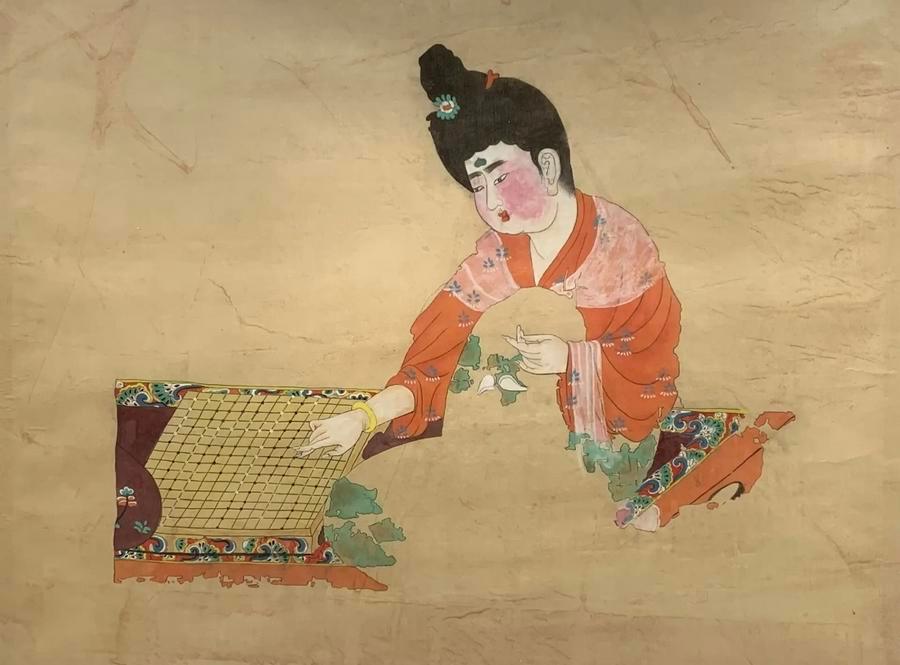
"During the Tang Dynasty (618-907), the game of Weiqi, or Go, was very popular in the Central Plains," said Shan Aimei, a cultural historian with the Turpan Cultural Relics and Archaeology Institute. "This painting not only shows the leisurely lifestyle of aristocratic women, but also reflects how the culture of board games from the Central Plains had already spread to the Western Regions."
As traders, envoys and armies moved between East and West, equestrian sports and riding traditions originating in Persia and Central Asia also entered China, evolving into horse racing and polo competitions that flourished during the Tang Dynasty.
Polo became especially popular among the imperial court, aristocrats and military elites. The sport originated in Persia, spread to Xizang and was introduced to Chang'an during the early Tang Dynasty before becoming one of the era's most fashionable sporting activities.
At the Shaanxi Archaeology Museum, a painting titled "Polo Match" depicts Han Chinese and players from other ethnic groups competing side by side on horseback.
Meanwhile, polo figurines unearthed in Turpan capture the intensity of the sport. One painted sculpture shows a rider galloping atop a white horse, eyes fixed downward, with a polo stick raised high to strike the ball.
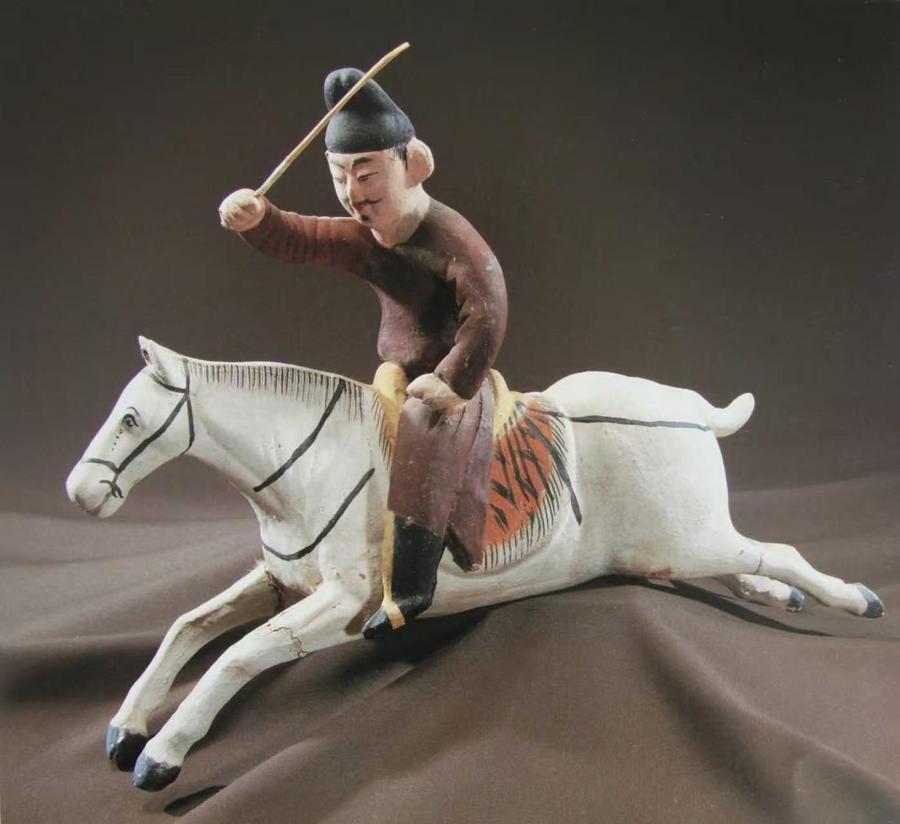
"These artifacts not only show the popularity of polo in Xinjiang during the Tang Dynasty, but also demonstrate that the ancient Silk Road was not just a trade route, but an important bridge for cultural and sports exchanges," Shan said.
"From ancient polo and cuju to modern football today, sports culture has continued through exchanges and integration across thousands of years," he added. "Xinjiang has always been an important witness to the meeting of diverse civilizations." ■