BEIJING, Dec. 24 (Xinhua) -- Under the combined impact of COVID-19, economic recession, hegemonism and climate change, human society struggled through 2021. The intertwined forces of changes in the world and the COVID-19 pandemic, both unseen in a century, have taken the world into a phase of fluidity and transformation.
The expected global recovery has not arrived, and the uneven and fragile global development landscape has been exacerbated by the pandemic. The West has assumed a more aggressive and threatening posture, heightening regional tensions in such regions as eastern Europe and the western Pacific.
Mankind needs to build up solidarity to achieve peace and development through cooperation.
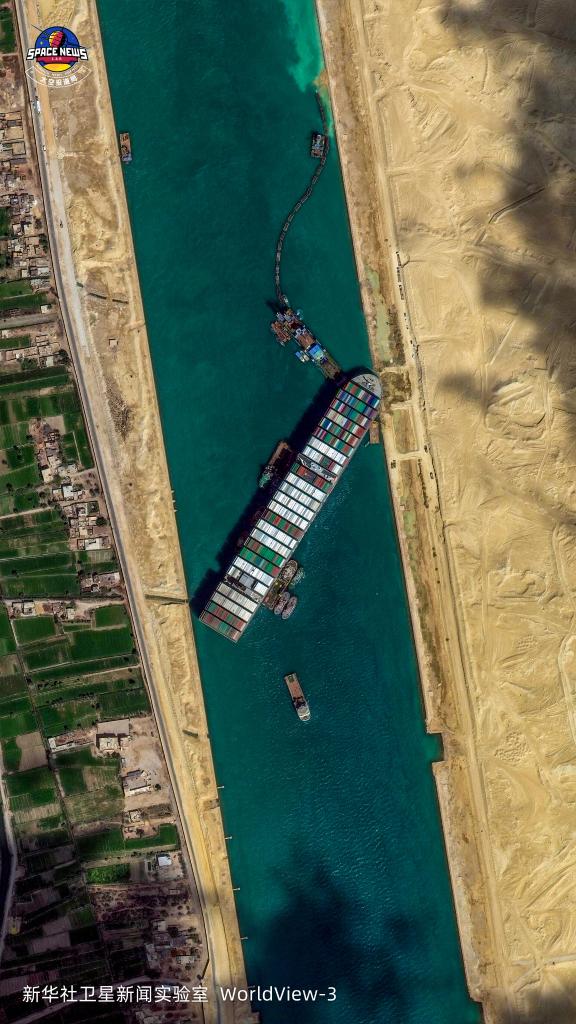
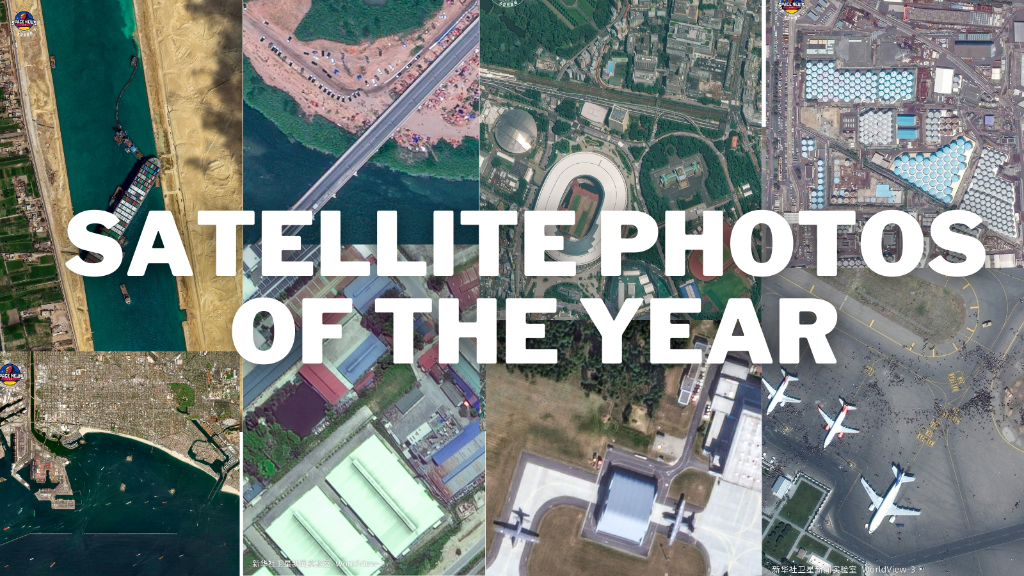
In march, Ever Given, a massive container ship, ran aground in one lane of the Suez Canal, leading to a six-day suspension of the crucial global waterway. As one of the world's busiest waterway, the blockage of the canal disrupted trade between Europe, Asia and the Middle East.

In July, the Fukushima Daiichi nuclear plant in Japan was covered with tanks for storing nuclear wastewater. On April 13, the Japanese government held a cabinet meeting and formally decided to dump nuclear wastewater from the Fukushima nuclear power plant into the ocean, triggering strong protests from neighboring countries.

In May, roads inside a Foxconn plant in Bac Giang province, Vietnam, became empty as the plant stopped operation. In the face of resurging COVID-19 cases, countries previously less affected by the pandemic, such as Vietnam, were forced to impose strict preventive measures. In 2021, the global pandemic still shows no signs of abating.
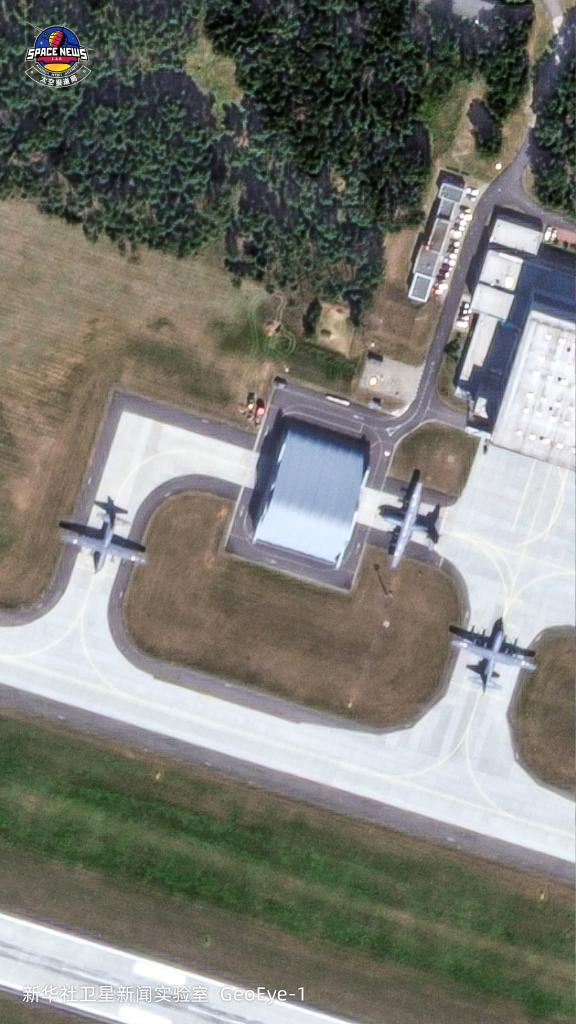
In July, three U.S. C-130 transport aircraft stood at the Lask Air Base, the main military facility in Poland. The North Atlantic Treaty Organization has been strengthening its military presence in countries such as Lithuania, Poland and Ukraine, intensifying the military confrontation with Russia.
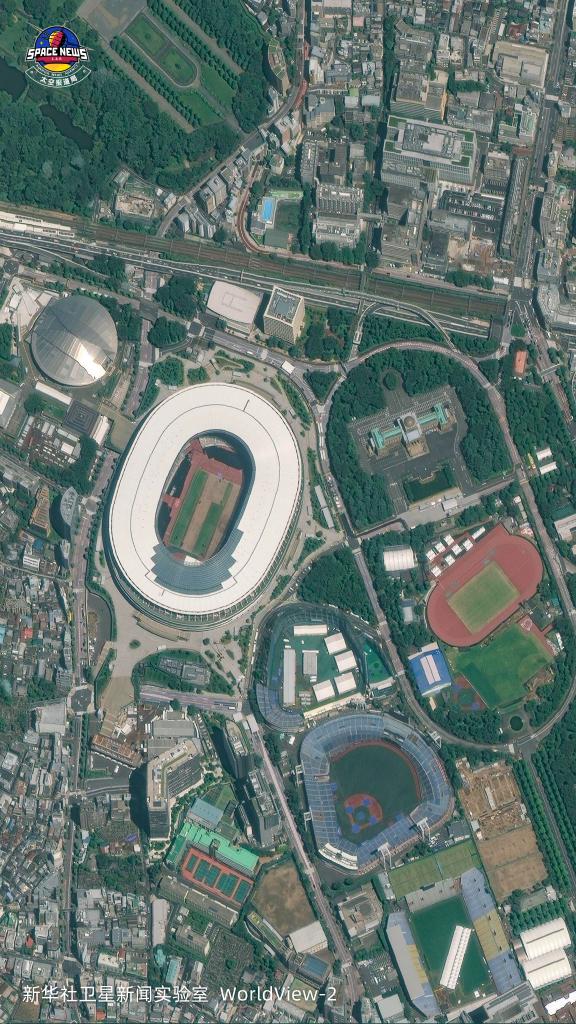
The 32nd Summer Olympic Games closed in August, and the Tokyo's New National Stadium returned to peace. A total of 11,309 athletes from 206 delegations participated in this Summer Olympic Games. Amid the raging COVID-19 pandemic, sports have increasingly become a symbol of human tenacity.

On Aug. 16, crowds poured onto the apron of Kabul Airport. The United States completely withdrewed its troops from Afghanistan that month, ending a war that had lasted nearly two decades and killed more than 110,000 Afghans and displaced 4 million civilians.
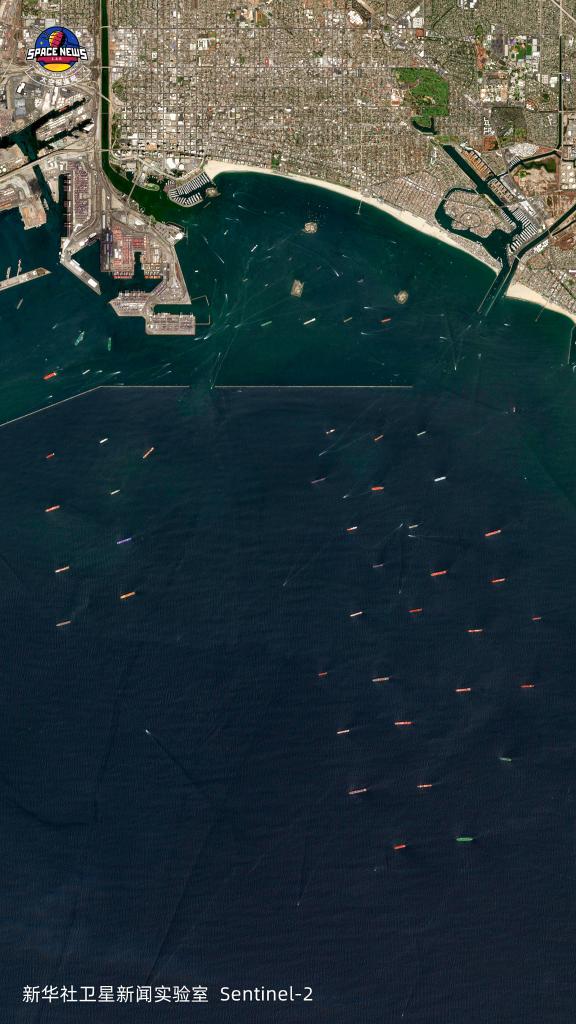
On Sept. 5, cargo ships and oil tankers stuck outside the Los Angeles Port. The U.S. logistics and supply chain suffered a serious crisis as a result of the pandemic and other factors, leading to nationwide commodity shortage and price hike.
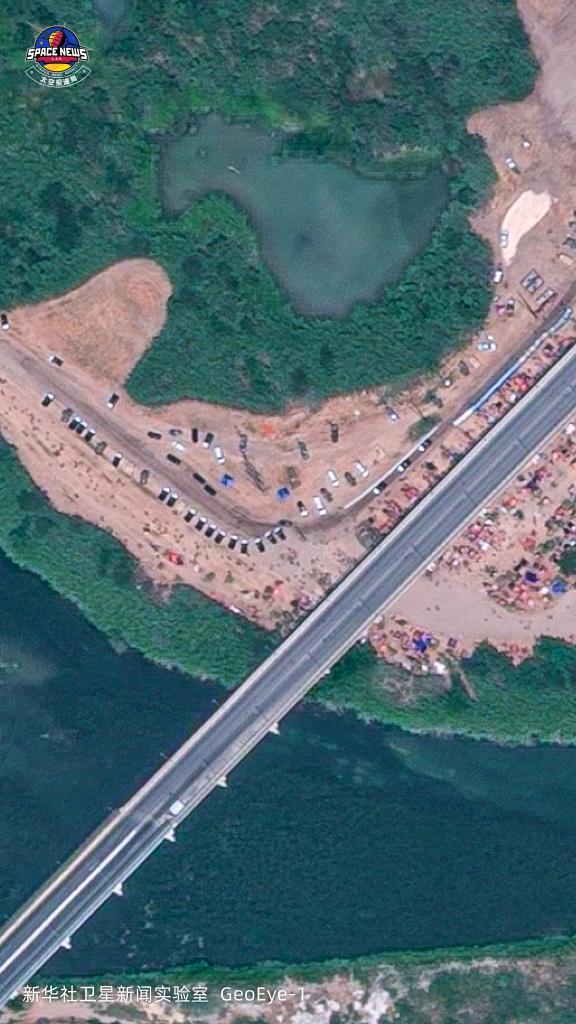
On Sept. 18, vehicles of U.S. law enforcement agencies lined up along the river to stop illegal immigrants from entering the country at the Del Rio International Bridge at the U.S.-Mexico border. As a result of Biden administration's immigration policy, illegal immigrants flocked to the U.S. border with Mexico. The U.S. disregard of human rights has caused a serious humanitarian crisis.

On Oct. 26, submarines moored at the U.S. Naval Base Guam. The one on the left is presumed to be the nuclear-powered USS Connecticut, which hit a sea mount in the South China Sea in early October. In 2021, U.S. military vessels kept entering the South China Sea, aggravating regional tensions.
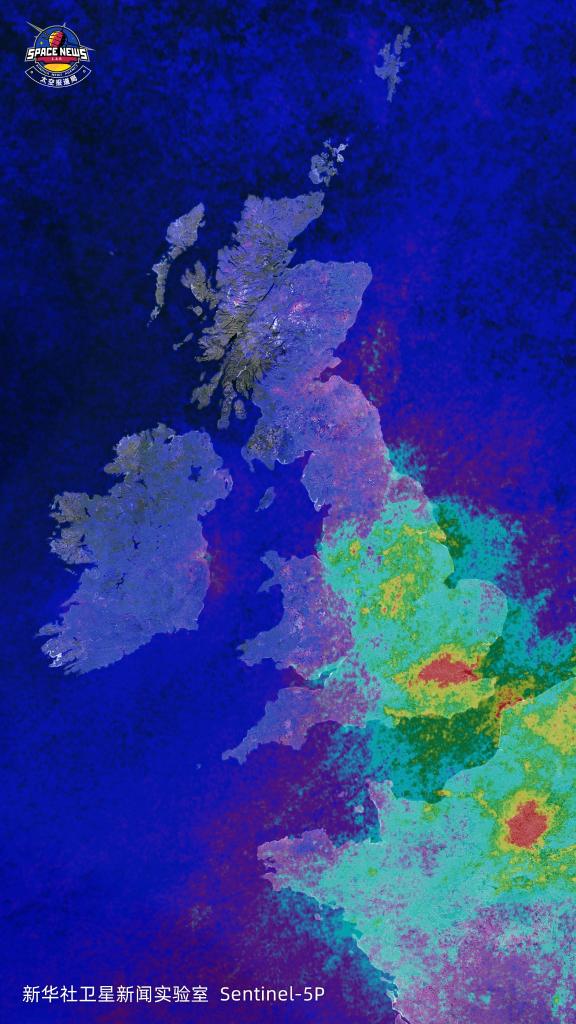
Distribution of nitrogen dioxide (NO2) in Britain in November, observed by satellite remote sensing technology. NO2 is one of the air pollutants, mainly from car exhaust and factory emissions. In November, the 26th session of the Conference of the Parties (COP26) to the United Nations Framework Convention on Climate Change was held in Glasgow, Britain. The Glasgow Climate Pact was signed to limit global warming within 1.5 degrees Celsius and prevent the world from catastrophic climate change.■