* "If the Asia-Pacific miracle of the past more than three decades was a story of economic growth achieved through openness and cooperation, the next 30 years should be a story of shared prosperity achieved through inclusiveness and win-win cooperation," said South Korean lawmaker Kim Tae-nyeon.
* China's proposal to set up cooperation institutions focusing on the digital economy, clean energy and SME cooperation carries great significance and represents a key step in fostering new growth drivers for the Asia-Pacific, said Vitaly Mankevich, president of the Russian-Asian Union of Industrialists and Entrepreneurs.
* Georgie Too Hann Huei, COO of the Malaysia-China Business Council in Kuala Lumpur, said China is not only an active practitioner in the digital economy, clean energy and the development of SMEs, but has also accumulated rich experience in these fields, noting that China is now translating its development experience into concrete actions to promote common regional development.
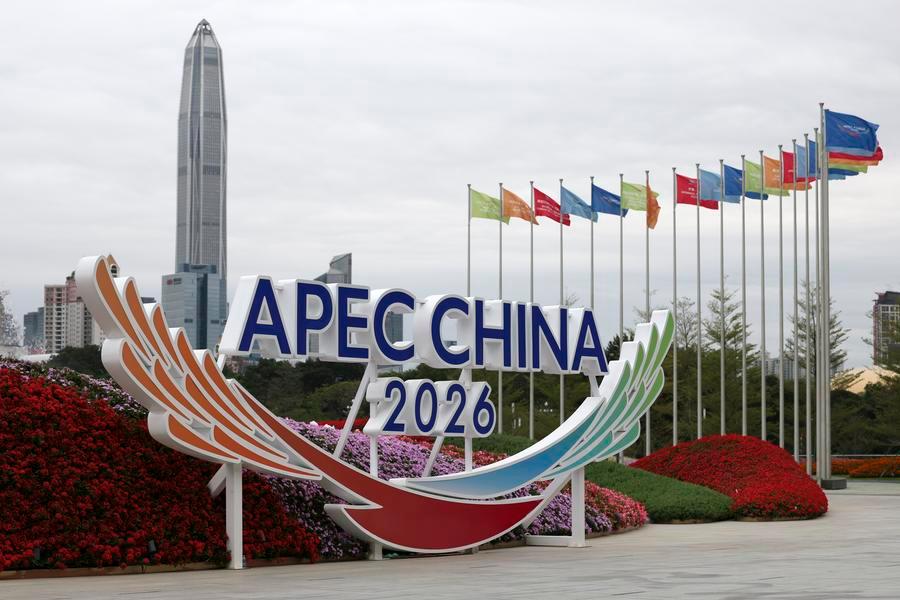
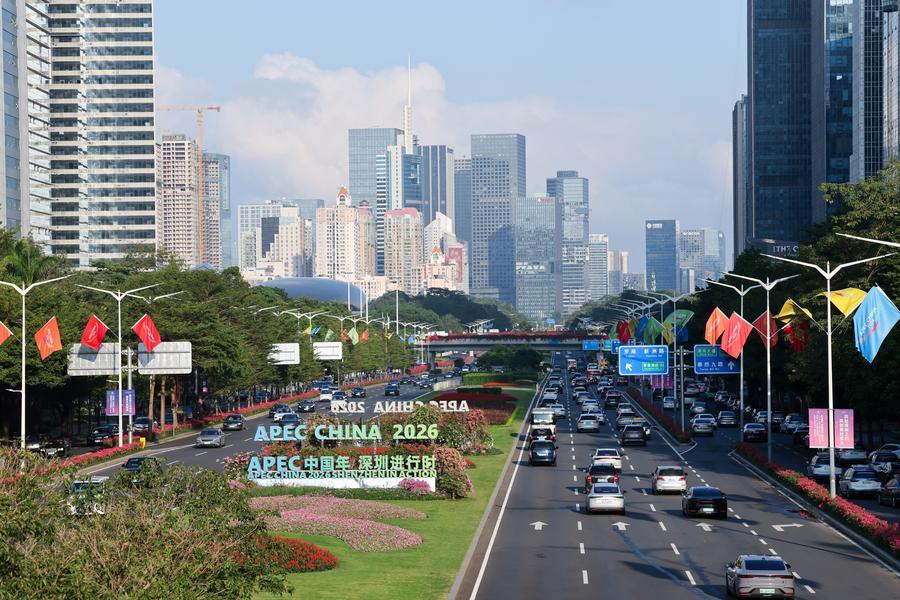
SHENZHEN, Nov. 20 (Xinhua) -- Chinese President Xi Jinping chaired the 33rd Asia-Pacific Economic Cooperation (APEC) Economic Leaders' Meeting in Shenzhen on Thursday, calling for further efforts to build an Asia-Pacific community and write a new chapter of the Asia-Pacific miracle.
Experts said Xi's speech at the gathering outlined China's vision for a stronger, more integrated Asia-Pacific community, offering a roadmap for the region to build on the achievements of the past three decades.
They also said it could help deepen regional cooperation, create new opportunities for shared development and contribute to peace, stability and prosperity in the Asia-Pacific and beyond.
A SHARED VISION
In his Thursday speech, Xi stressed that building an Asia-Pacific community requires solidarity and mutual assistance, openness and integration, enterprise and innovation, as well as inclusive development.
These requirements are interconnected and mutually reinforcing, said Herbert Sima, director of the China Studies Center at the University of Auckland, noting they not only provide guidance for economic cooperation in the Asia-Pacific, but also offer valuable insights into addressing global uncertainties.
Solidarity and mutual assistance form the foundation of cooperation, openness and connectivity provide a pathway for development, innovation and progress serve as the driving force for growth, while inclusive development is key to ensuring that cooperation is sustainable and benefits all parties, the expert explained.
In his speech, Xi reviewed the achievements of the Asia-Pacific miracle over the past thirty-plus years, stressing the need to adapt to the new realities, take new strides and open up new prospects for Asia-Pacific cooperation in the face of new opportunities and challenges.
Xi's remarks have prompted experts to again reflect on the factors behind the region's remarkable economic growth and the prospects for its future development.
Virdika Rizky Utama, executive director of the Jakarta-based think tank PARA Syndicate, said the Asia-Pacific miracle had been driven by open cooperation, trade and investment, and the integration of regional industrial and supply chains.
What Xi stressed about building the Asia-Pacific community offered a response to the challenges facing the region and a vision for future cooperation, he said.
The expert particularly noted Xi's mention of "open regionalism" in his speech, saying that for developing economies such as Indonesia, the concept means access to broader markets and more convenient connectivity.
Tran Thi Hai Yen, a researcher at the Institute for European and Americas Studies at Vietnam Academy of Social Sciences, said Xi's vision comes at a timely moment, which addresses the four practical needs currently facing the Asia-Pacific region.
As the rotating chair of APEC this year, she added, China has further clarified the direction of cooperation and underscored the urgency of accelerating joint efforts, helping translate long-term vision into concrete cooperation agendas.
History proves that economies can prosper through trade with one another, and Xi reaffirmed the value of trade cooperation and open regionalism, said Craig Emerson, director of the Australia APEC Study Center.
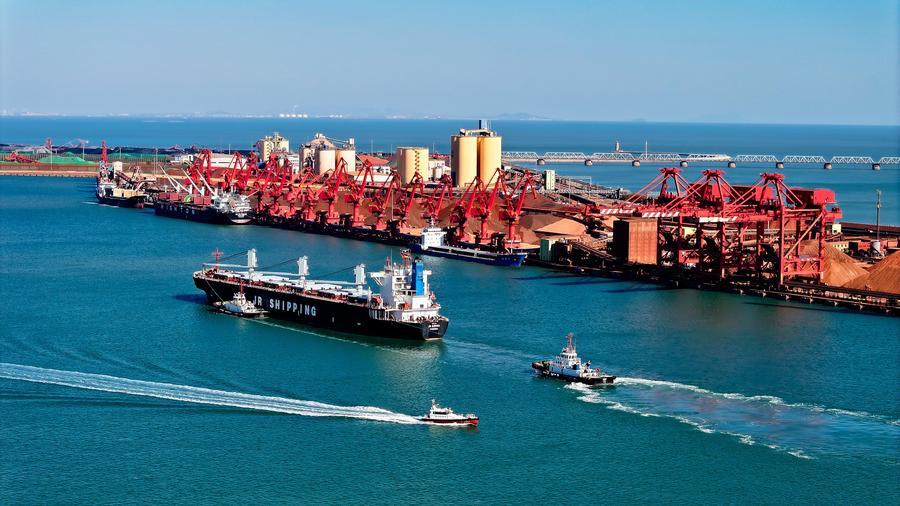
Such remarks are highly encouraging at a time when trade liberalization has faced growing skepticism in recent years, noted Emerson, a former Australian trade minister.
"If the Asia-Pacific miracle of the past more than three decades was a story of economic growth achieved through openness and cooperation, the next 30 years should be a story of shared prosperity achieved through inclusiveness and win-win cooperation," said South Korean lawmaker Kim Tae-nyeon.
"Economies in the Asia-Pacific region differ in terms of economic size, stages of development, history and culture, making the region highly diverse," he said. "This diversity should be regarded as a valuable resource. We should leverage our respective strengths, complement one another's weaknesses and turn these differences into new opportunities for cooperation."
BUILDING PILLARS TOGETHER
China is an advocate, promoter and forerunner in Asia-Pacific economic cooperation, and it is ready to work with all parties to pool wisdom and synergy in building the four key pillars of an Asia-Pacific community, Xi said in his speech. He also called for strengthening the pillar of economy and trade, upgrading the pillar of connectivity, fostering the pillar of innovation and enhancing the pillar of development.
On the importance of connectivity, Alvaro Echeverria, director of the Asia Pacific Chamber of Commerce in Chile, said the call to upgrade the pillar of connectivity was particularly relevant in the current international environment.
Greater proximity helps create mutual understanding, Echeverria told Xinhua, saying he welcomes China's call to strengthen connectivity not only through physical infrastructure, but also through continued efforts to promote human development and closer people-to-people exchanges.
These efforts could help rebuild trust at a time when the world faces considerable uncertainty and a lack of predictability, while the need for international coordination continues to grow, he added.
Xi pointed out that China is rooted in the Asia-Pacific and will continue to support Asia-Pacific cooperation, and announced that China will provide 20 million U.S. dollars to support APEC's practical cooperation, and to establish a Center for Asia-Pacific Community Studies in Shenzhen to conduct policy research and exchanges and provide intellectual support.
In addition, Xi said that in line with the needs of Asia-Pacific cooperation, China will set up cooperation institutions in such areas as digital technology, cross-border data flow, clean energy, and the development of small and medium-sized enterprises (SMEs) to contribute to innovation-driven and green growth in the Asia-Pacific.
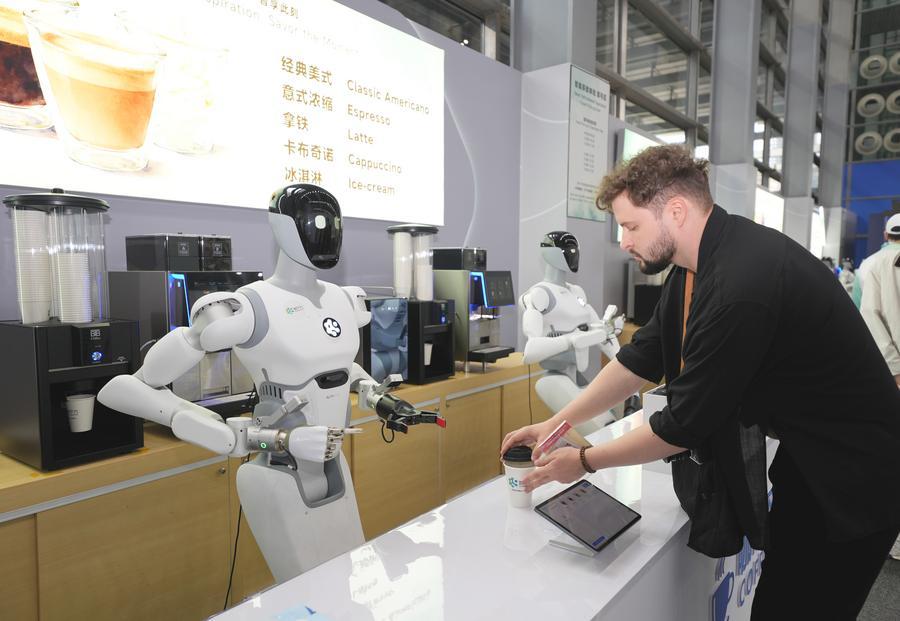
China's proposal to set up cooperation institutions focusing on the digital economy, clean energy and SME cooperation carries great significance and represents a key step in fostering new growth drivers for the Asia-Pacific, said Vitaly Mankevich, president of the Russian-Asian Union of Industrialists and Entrepreneurs.
"As a recognized technology leader in the digital economy, clean energy and related sectors, China can use these cooperation bodies to advance pragmatic cooperation among Asia-Pacific economies and build science and technology innovation partnerships," Mankevich said.
Georgie Too Hann Huei, COO of the Malaysia-China Business Council in Kuala Lumpur, said China is not only an active practitioner in the digital economy, clean energy and the development of SMEs, but has also accumulated rich experience in these fields, noting that China is now translating its development experience into concrete actions to promote common regional development.
"This approach of 'getting its own house in order first and then bringing partners along' demonstrates China's leading role and exemplary influence in regional cooperation," he said. ■