BEIJING, Nov. 11 (Xinhua) -- With global climate tipping points looming, the 31st United Nations Climate Change Conference (COP31) kicked off on Monday in Antalya, Türkiye, offering a new opportunity for the international community to renew momentum for more effective global climate cooperation.
Deeply committed to joining world nations to build a community with a shared future for humanity, Chinese President Xi Jinping has repeatedly called on the international community to strengthen cooperation in addressing climate change and actively advanced the building of a fair and equitable global climate governance system for win-win cooperation.
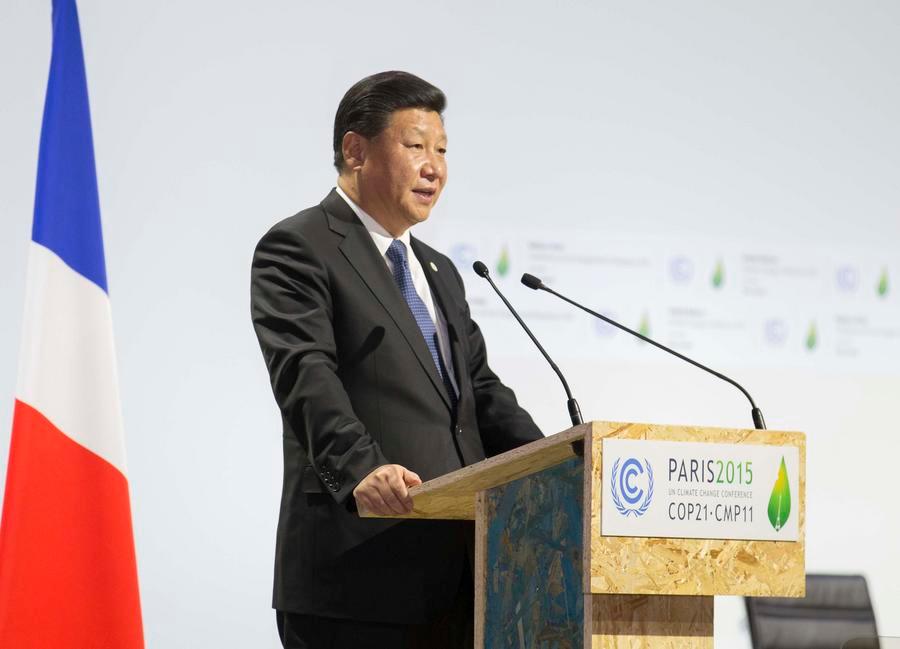
"Supreme resources spring from extreme resolutions," Xi said, invoking a perceptive line from French writer Victor Hugo's Les Miserables during his address to the historic 2015 Paris climate change conference.
During the summit, Xi put forward important ideas and proposals and worked actively to build consensus among parties, making an indispensable contribution to the eventual adoption of the Paris Agreement.
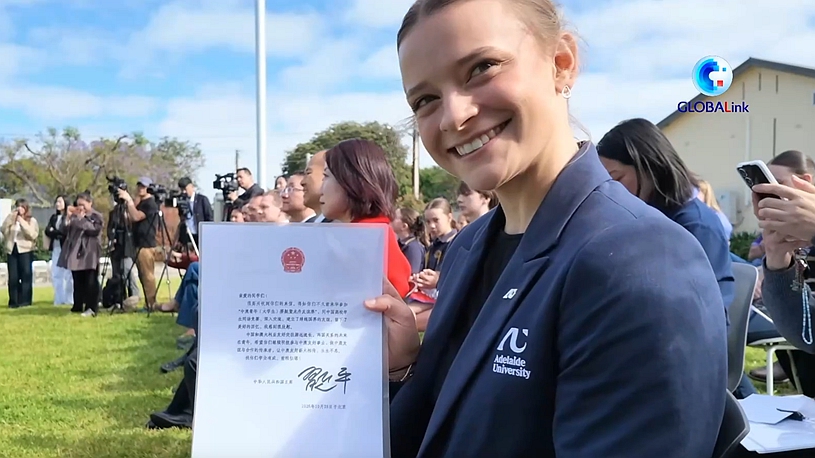
At a special ceremony on Sept. 3, 2016, Xi solemnly handed over China's instrument of joining the Paris Agreement to then UN Secretary-General Ban Ki-moon.
"Had not been President Xi Jinping's initiative, we would not have the Paris Agreement on climate change even now," Ban said in a 2021 interview with Xinhua.
In response to the grave challenge of climate change, China has taken on its international responsibilities with what Xi described as "extreme resolutions." At a virtual UN gathering in 2020, Xi announced that China would strive to peak carbon dioxide emissions before 2030 and achieve carbon neutrality before 2060. In 2021, he pledged that China would not build new coal-fired power projects abroad.
In recent years, some developed countries, particularly those in the West, have backtracked on their climate commitments, undermining global climate governance. Against this backdrop, Xi announced China's 2035 Nationally Determined Contributions in 2025, including a commitment to reduce economy-wide net greenhouse gas emissions by 7-10 percent from peak levels and to raise the share of non-fossil fuels in total energy consumption to more than 30 percent by 2035.
For the first time, China committed to absolute emissions reduction targets covering all economic sectors and all greenhouse gases, providing much-needed certainty and stability for global climate governance.
Xi has also emphasized the need to uphold fairness and equity and fully respect developing countries' right to development as the world pursues a green transition.
"The transition should serve to narrow rather than widen the North-South gap," he said, urging developed countries to take the lead in fulfilling emissions reduction obligations and provide more financial and technological support to developing countries.
Under Xi's leadership, China has been striving to strengthen South-South cooperation on climate change. Xi has proposed the establishment of the Belt and Road Initiative International Green Development Coalition and advocated building a green BRICS partnership.
Through these target-driven initiatives, China seeks to deepen cooperation in clean energy, green technology and green industrial development, while helping developing countries strengthen their capacity to address climate change.
"The Earth is our one and only home," Xi has said. "To scale up efforts to address climate change and promote sustainable development bears on the future of humanity."■