
by Ntandoyenkosi Ncube
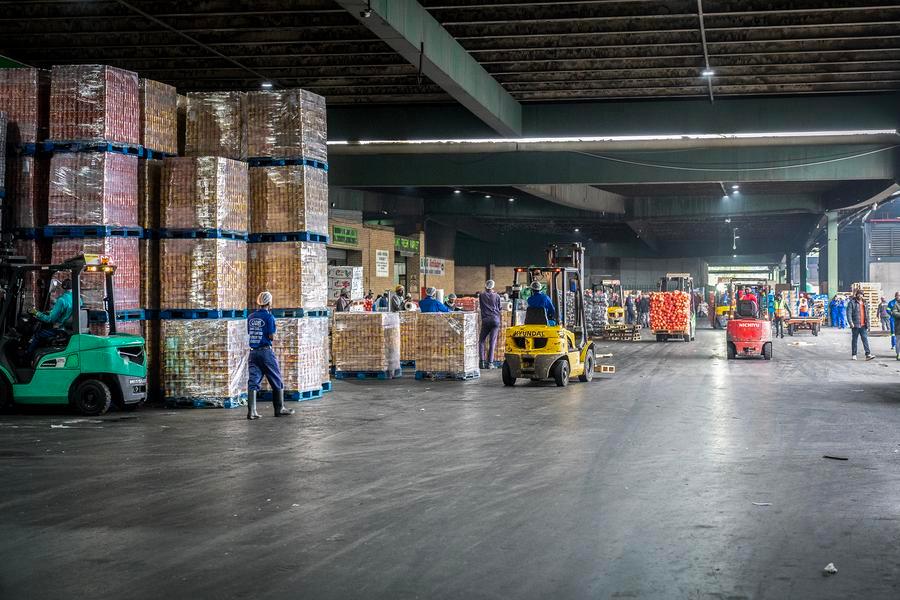
JOHANNESBURG, Nov. 5 (Xinhua) -- South Africa's newly secured access to the Chinese market for fresh cherries could attract investment and help diversify the country's agricultural exports, an agricultural economist has said.
Paul Makube, senior agricultural economist at First National Bank, said the Chinese market offered South African agricultural producers an opportunity to expand their customer base and strengthen the sector's long-term growth prospects.
"I value China as an additional route to market that can help South African agriculture diversify customers and reduce exposure to disruptions in individual destinations," Makube told Xinhua in an interview.
China imported about 586,900 tons of cherries worth 3.3 billion U.S. dollars in 2025, according to South Africa's Department of Agriculture.
Makube said South African cherry exports to China could grow gradually, with the first shipments paving the way for more orders and potentially increased production in the coming years.
The timing of South Africa's cherry season could also offer a competitive advantage. "Some South African production areas could reach China two to three weeks ahead of the largest Chilean arrivals," he said.
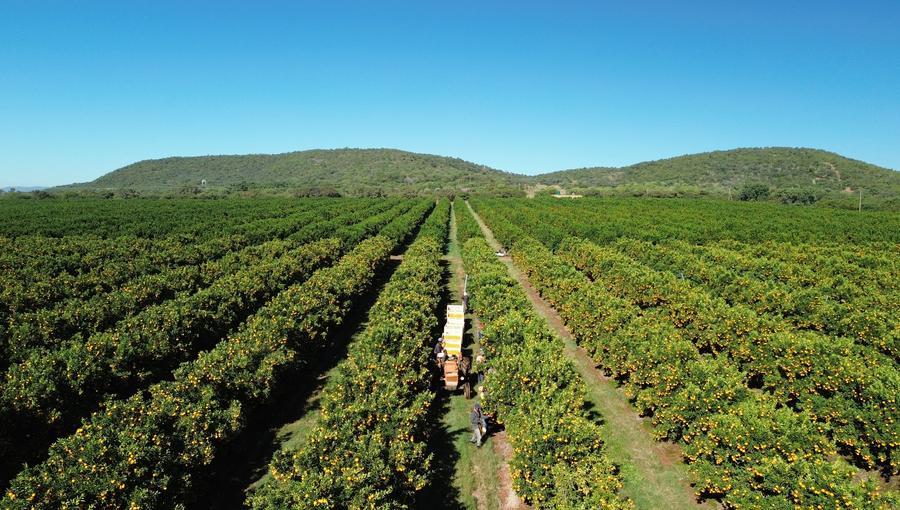
This seasonal window could encourage growers to expand orchards, introduce suitable cultivars and invest in irrigation, packing facilities and cold-chain infrastructure. However, Makube said investment decisions should be guided by market demand, production capacity and commercial viability.
"A credible tonnage forecast requires verified production capacity, buyer commitments and logistics," he said.
On Sept. 8, 2026, South Africa and China signed a phytosanitary protocol in Beijing granting South African cherry producers access to the Chinese market.
It came just after China's zero-tariff treatment for 53 African countries with which it has diplomatic relations, which took effect on May 1.
Makube said the tariff arrangement could reduce import costs and improve the competitiveness of South African products, but stressed that product quality, transport costs and reliable delivery would remain crucial.
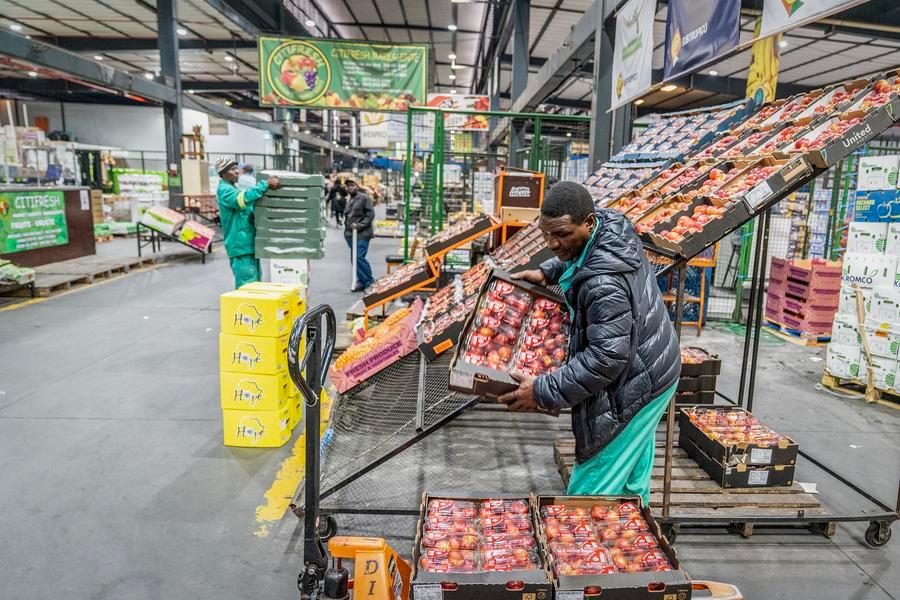
Beyond cherries, citrus, table grapes, apples, pears, plums, nectarines and avocados also have potential in the Chinese market, he said.
"Blueberries are a promising next opportunity," he said. Negotiations on market access for South African blueberries are at an advanced stage.
Makube also identified wine as another potential value-added export, saying stronger branding and distribution networks could help South African producers expand their presence in China.
He said turning new market access into broader agricultural trade opportunities would require cooperation between government and industry. Producers would need to meet plant-health and food-safety requirements, maintain consistent quality, understand Chinese consumer preferences and build long-term relationships with importers. Smaller producers, in particular, could benefit from technical support, shared packing facilities and financing.
The government should provide clear export compliance guidance, efficient inspection services and continued technical engagement with Chinese authorities, while pursuing market access for additional agricultural products, he said. Industry associations and exporters, meanwhile, should coordinate quality standards, logistics, market research and buyer development.
Makube said the success of the new market access should ultimately be measured not simply by the volume of initial shipments, but by the ability of South African producers to secure repeat orders and generate sustainable returns. ■