
by Xinhua writer Guo Chunju
GABORONE, Oct. 11 (Xinhua) -- Botswanan President Duma Gideon Boko will pay a state visit to China from Oct. 12 to 17 at the invitation of Chinese President Xi Jinping, as the two countries seek to deepen cooperation in trade, investment and people-to-people exchanges.
In January 2025, Xi and Boko exchanged congratulations on the 50th anniversary of diplomatic ties, expressing confidence in the prospects for closer cooperation. In September 2024, the two countries elevated their bilateral ties to a strategic partnership. Beyond these diplomatic milestones, cooperation between both countries has taken shape in projects ranging from energy and mining to education and health care.
IMPROVING LOCAL LIVELIHOODS
Chinese-invested companies have maintained steady cooperation with Botswana for years, covering areas such as infrastructure, energy and mining, bringing tangible benefits to local communities.
Water infrastructure projects have helped improve access to essential services across Botswana. The Thune Dam, constructed by Chinese companies, supplies water for domestic and agricultural use, with its water resources integrated into Botswana's North-South Water Carrier system. Other projects, including water supply and sanitation works in Maun and the Boteti region, are also helping improve local water services.
Meanwhile, the Digital Delta Data Center is strengthening Botswana's digital infrastructure and supporting the growth of its digital economy.
Cooperation in energy and mining is creating further opportunities for development. The Jwaneng 100 MW Solar Power Plant project has officially commenced operations, helping to ease Botswana's electricity shortage and strengthen the country's energy security. Meanwhile, the Khoemacau Copper Mine Expansion Project is expected to boost production and generate employment opportunities.
The establishment of the Mining Centre of Excellence at Maun Technical College with the support of Botswana's Ministry of Higher Education also helps equip young people with practical skills tailored to the needs of the mining industry, linking vocational training more closely with local employment.
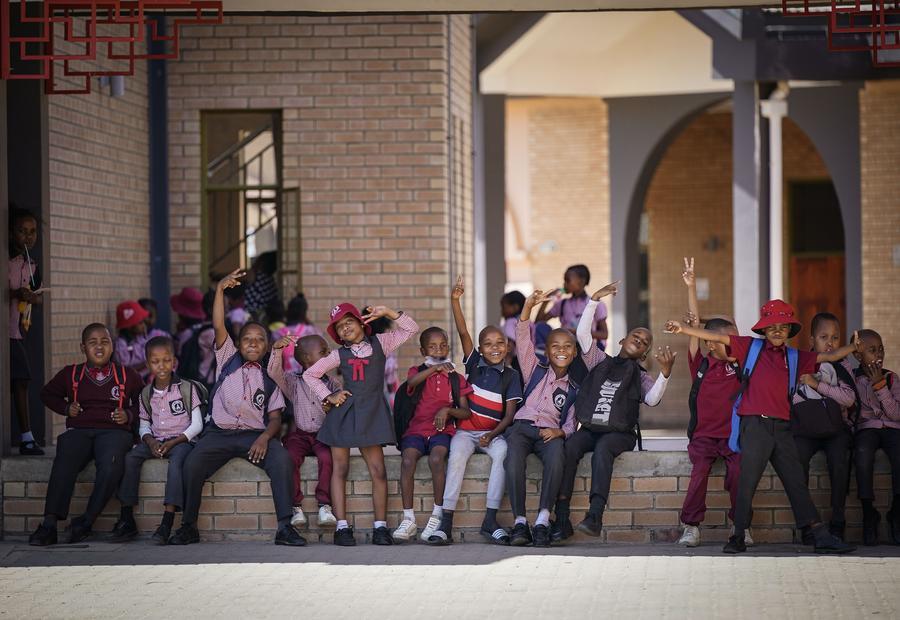
Beyond economic development, cooperation has also extended to healthcare and education. The teaching hospital at the University of Botswana School of Medicine in Gaborone supports medical care and training, while four China-aided primary schools have improved learning conditions for local children, contributing to the development of Botswana's basic education system.
EXPANDING TRADE, DEEPENING COOPERATION
Economic and trade cooperation between China and Botswana is mutually beneficial and enjoys broad prospects. Bilateral business trips and engagements have become increasingly frequent, with continued exchange between the two sides.
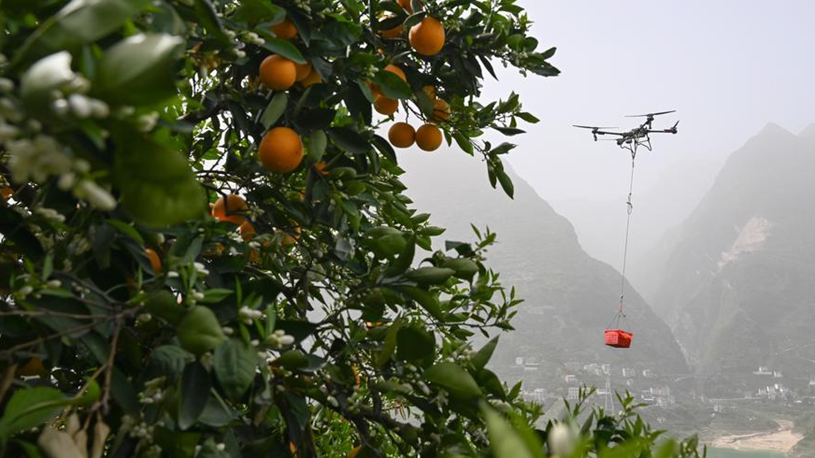
From May 1 this year, China extended zero-tariff treatment to all 53 African countries with which it has diplomatic ties, bringing significant benefits to Botswana's premium products, such as beef and citrus. "This important initiative opens new opportunities for Botswana to expand its exports, strengthen trade and deepen our economic cooperation with China," said Botswana's Minister for State President, Defense and Security Moeti Mohwasa.
Two-way trade between China and Botswana reached 1.222 billion U.S. dollars in 2025, an increase of 21.3 percent year on year, and rose by 58.6 percent to 852 million U.S. dollars in the first half of 2026 compared with the same period last year, official statistics showed.
In January 2021, the two countries signed a Memorandum of Understanding (MoU) for cooperation on the Belt and Road Initiative, making Botswana the 46th African partner country to join the initiative.
In 2025, the two countries signed a MoU on promoting the implementation of the Global Development Initiative, and Botswana joined the Initiative on International Trade and Economic Cooperation Framework for Digital Economy and Green Development. These bilateral agreements provide new opportunities, expand cooperation into new sectors, and open up new prospects for China-Botswana practical cooperation.
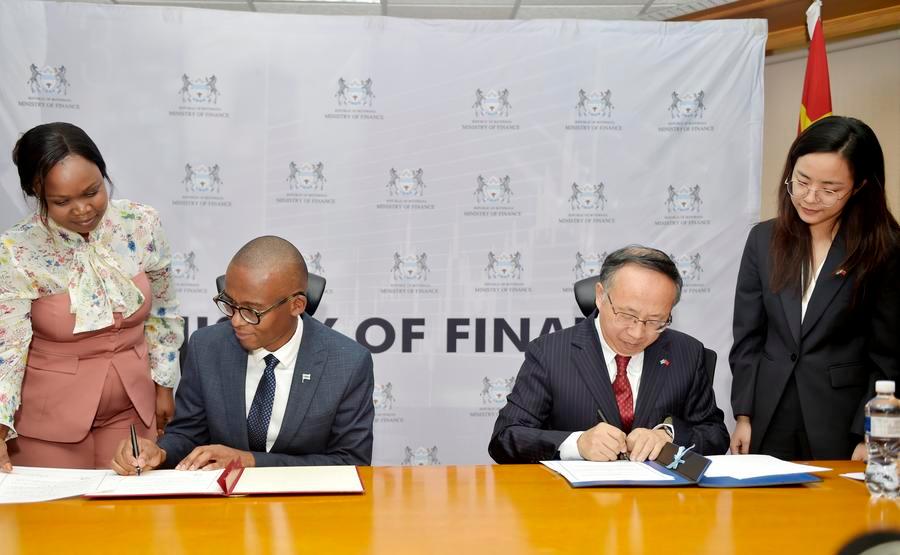
Many Chinese business delegations have visited Botswana to explore market opportunities, while Botswana's officials and think tank representatives have praised the achievements of Chinese modernization following visits to China.
Viewing China as "a constant friend and a reliable development partner," Botswana seeks to learn from China's achievements in improving people's living standards and poverty alleviation, as the southern African country pursues its own development agenda, seeking investment, partnerships, and alignment between development strategies.
BRINGING PEOPLE CLOSER
People-to-people exchanges have brought the two peoples closer through cultural, educational and community activities, including "Chinese Bridge" competitions, film festivals and medical outreach programs by Chinese medical teams.
The Confucius Institutes at the University of Botswana in Gaborone and the Botswana International University of Science and Technology (BIUST) in Palapye in central Botswana run programs on promoting Chinese language education and cultural exchange.
"By learning the Chinese language, our students gain a key to unlocking opportunities in a rapidly globalizing world," said BIUST Vice Chancellor Otlogetswe Totolo, describing the institute as a platform for cultural exchange, academic collaboration and closer friendship between Botswana and China.
The growing popularity of the Chinese language and culture among the people of Botswana has helped strengthen people-to-people ties and deepen bilateral friendship, while more Botswana people are looking forward to opportunities to visit China.
"The relationship between Botswana and China has grown steadily over many decades, bringing cooperation for many, many years of mutual interests," said Botswana's Minister of International Relations Phenyo Butale.
Over the years, bilateral partnership in the health sector has continued to flourish. Since 1981, 18 successive groups of Chinese medical professionals, comprising more than 600 experts in total, have traveled thousands of miles to serve in Botswana. They have become an integral part of Botswana's healthcare system, providing specialized medical care to local communities and strengthening bilateral cooperation.
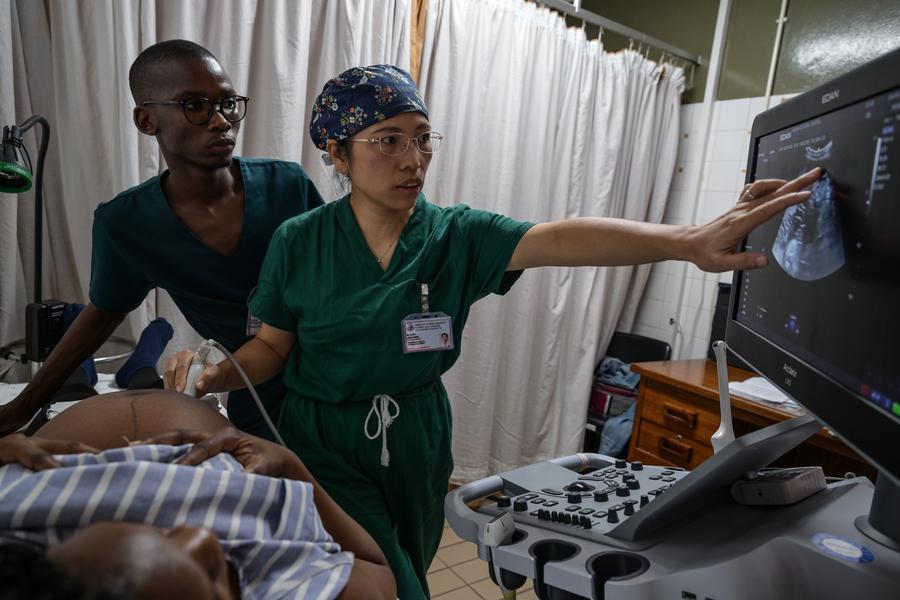
"Their dedication has significantly improved access to specialized healthcare, enhanced the quality of medical services, strengthened the capacity of our healthcare system, and ultimately contributed to improving the health outcomes of our people," said Tshepo Machacha, acting permanent secretary of Botswana's Ministry of Health.
Machacha himself has received traditional Chinese acupuncture therapy. He said traditional Chinese medicine has enriched Botswana's healthcare system.
"This serves as a practical demonstration of how cultural exchange and medical cooperation can directly improve patient care while strengthening medical understanding between the two nations," he said.■