Interactions between the ocean and the atmosphere can influence weather far beyond the Pacific, affecting agriculture, infrastructure, health and energy. Heat released from the Pacific could further raise global temperatures.
LONDON, Oct. 8 (Xinhua) -- An exceptionally strong El Nino is raising concerns over Britain's winter weather and living costs, as forecasts of disrupted rainfall worldwide sharpen warnings over food supplies, energy demand and child welfare.
In June, the British Met Office reported that El Nino had formed. By September, the World Meteorological Organization (WMO) forecast that El Nino would intensify into a very strong event by the end of the year, with cascading impacts on economies and societies.
El Nino is the term widely used to describe the warming of sea surface temperature that occurs every few years, typically concentrated in the central-east equatorial Pacific, according to the Met Office. Interactions between the ocean and the atmosphere can influence weather far beyond the Pacific, affecting agriculture, infrastructure, health and energy.
Forecasts of sea-surface temperatures point to the potential strength of this El Nino.
In a July Nature news article, Zeke Hausfather, a climate scientist at Berkeley Earth, described projections from 14 models whose median estimate put peak Pacific sea-surface temperature anomalies about 0.8 degrees Celsius above the previous record. Hausfather stressed, however, that the outcome was not a foregone conclusion.
Meanwhile, The Guardian reported on Sept. 30 that the oceans absorbed record heat in 2025, almost 40 times humanity's energy use that year.
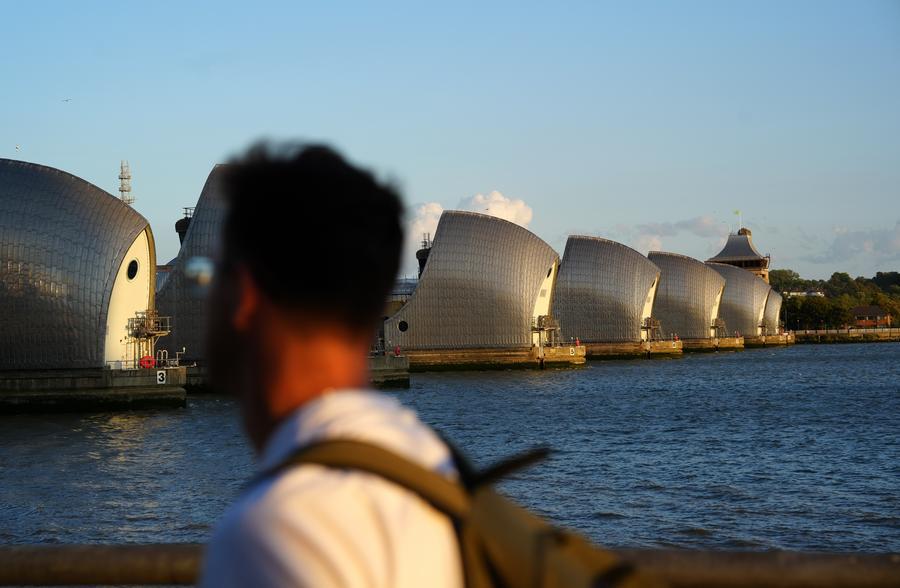
Against this background, heat released from the Pacific could further raise global temperatures.
In August, Amanda Maycock, a professor of climate dynamics at the University of Leeds, called for preparations for heavy rain, flooding and drought in different parts of the world, saying that all signs pointed towards a very exceptional El Nino event this winter.
The effects of El Nino will occur over and above the effects of climate change, according to an expert roundtable summary released in September by Britain's Government Office for Science. It added that the average global surface temperature has risen by approximately 0.25 degrees Celsius since the last El Nino of a similar magnitude in 2015/2016, making it possible that 2027 will surpass 2024 and become the warmest year on record.
BRITAIN'S WEATHER AND MARKET RISKS
For Britain, seasonal timing matters. In an Oct. 5 article, the Met Office said El Nino could increase the likelihood of wetter, windier and generally milder conditions in late autumn and early winter in Britain, with a greater possibility of cold weather later in winter. However, the Met Office emphasized that it could not determine individual weather events.
Meanwhile, according to Akshay Deoras, a senior research scientist at the University of Reading, a stronger El Nino does not automatically mean stronger impacts in Britain.
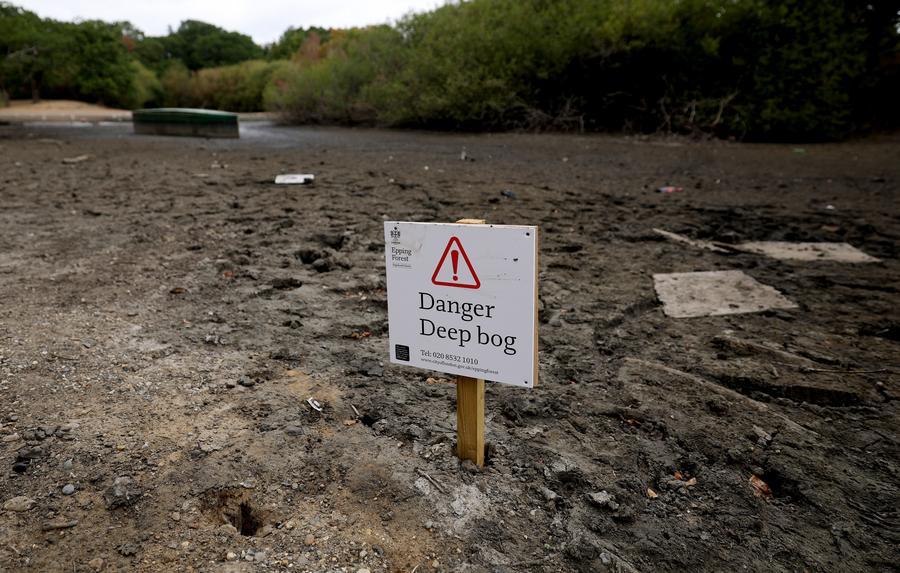
Rainfall location is also crucial. Amulya Chevuturi, a senior hydroclimate scientist at the UK Center for Ecology and Hydrology, said that rain concentrated in Britain's northwest could leave drought conditions persisting in the southeast into 2027. She identified the unusually warm Atlantic as an additional source of uncertainty.

The summary released by Britain's Government Office for Science identifies excessive rainfall during planting seasons as a threat to the country's agriculture. Overseas crop disruptions could also raise prices for imported rice, coffee and cocoa, although the precise effects are difficult to predict.
According to the summary, a milder, windier start to winter could increase Britain's wind power generation and reduce reliance on imported liquefied natural gas for electricity and heating. Colder, drier conditions later in the winter, however, could raise LNG demand, while weather-related increases in demand elsewhere could intensify competition for supplies.
Deoras also warned that strong winds could damage infrastructure and disrupt transport, while heavy rain following dry conditions could increase surface-water flooding.
UNEQUAL IMPACTS, EARLY ACTION
The consequences of El Nino will differ sharply around the globe. An Oct. 1 WMO report on the southwestern Indian Ocean outlook identified increased drought risks in southern areas, including South Africa and parts of Mozambique, and greater flood risks in areas including Tanzania and the Seychelles.
Covering October 2026 to March 2027, the outlook also incorporated Indian Ocean climate patterns. It called for preparation for multiple hazards affecting agriculture, water supplies, health and fisheries.
Tropical cyclone activity can move in opposite directions across ocean basins. BBC Weather explained on Oct. 3 that El Nino can suppress Atlantic hurricane development by increasing wind shear, or changes in wind with height, while warmer waters and more favorable wind can support greater activity in the eastern North Pacific.
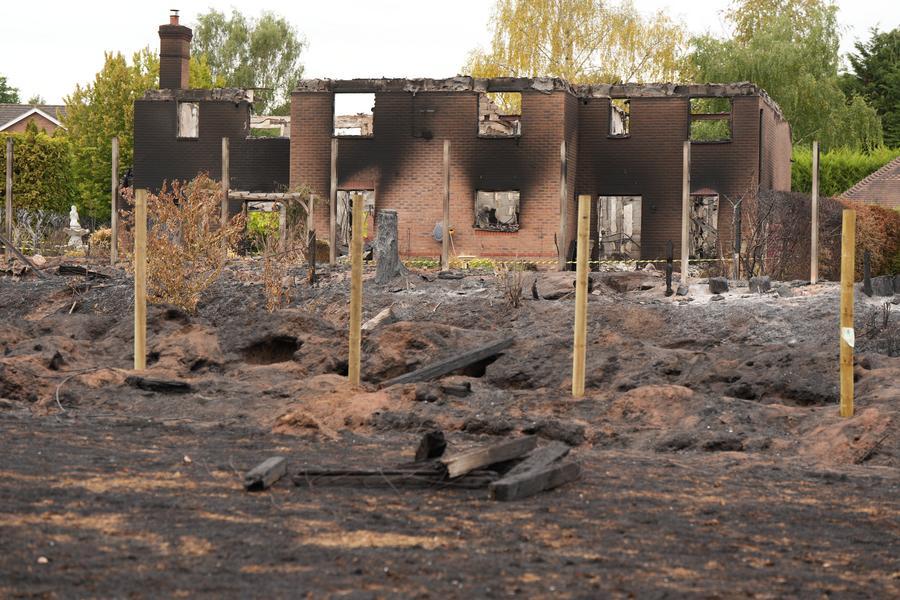
Ecosystems also face repeated stress. A Sept. 30 Nature news feature described fresh coral bleaching and experiments using underwater recordings of healthy reefs to encourage coral larvae to settle. Amy Apprill, a marine geochemist at the Woods Hole Oceanographic Institution, warned in the article that accumulated stress could make heat in 2026 and 2027 more damaging.
The human exposure is substantial. The United Nations Children's Fund (UNICEF) said on Oct. 6 that more than 347 million children in various places in the world are expected to experience unusually wet or dry conditions between October and December 2026 due to El Nino.
Its analysis combines seasonal forecasts with population data and historical El Nino rainfall patterns, selecting areas with a 70 percent probability of unusual conditions. UNICEF stressed that these figures estimate exposure, rather than actual impacts.
UNICEF Executive Director Catherine Russell warned of displacement, malnutrition, water shortages, disease and school closures. With forecasts offering months of warning, the agency called for early investment and protection of essential services.
"We must act now to protect communities and children," Russell said. ■