* Yunnan sits on the northern fringe of the global coffee-growing "bean belt," the equatorial zone between the Tropics of Cancer and Capricorn. For centuries, its rolling highlands were known as China's tea heartland. Over the past two decades, steady investment, improved farming techniques and booming domestic consumption have nurtured a thriving home-grown coffee industry.
* Cross-border innovation in coffee culture is also taking shape across the Lancang-Mekong basin, which China shares with Myanmar, Laos, Thailand, Cambodia and Vietnam.
* While Southeast Asia remains at the heart of Yunnan's Asia-Pacific coffee trade, the beans are travelling much farther -- all the way to New Zealand, where they remain a niche but notable newcomer to the specialty-coffee scene.
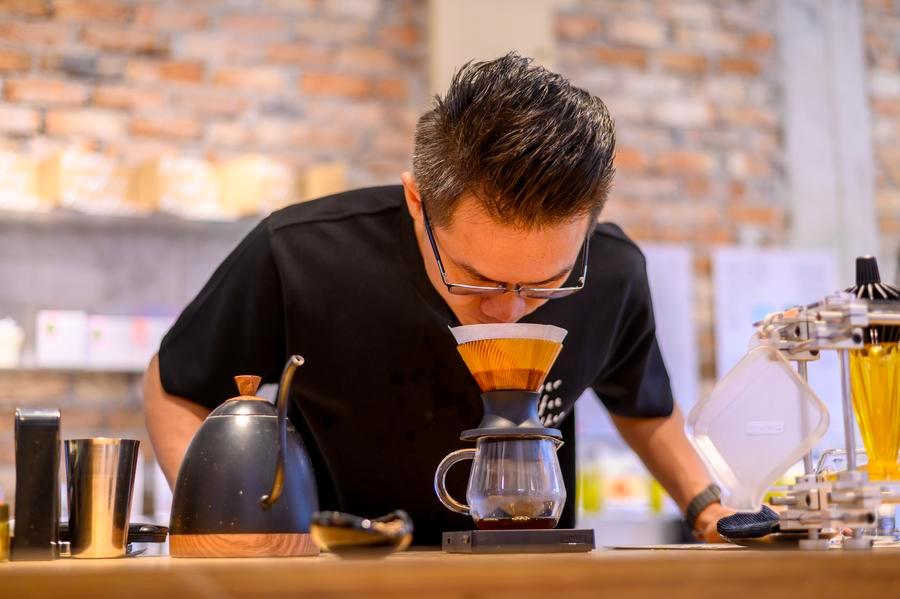
KUALA LUMPUR, Oct. 6 (Xinhua) -- When Thomas Ooi first tasted Yunnan coffee in Beijing in 2015, its savory, almost beef-jerky-like character struck him as unusual. Back then, few in Malaysia's coffee scene had their eye on beans from Yunnan, a Chinese province better known for tea.
A decade later, everything has changed. Ooi, founder of Ghostbird Coffee Roastery in Kuala Lumpur, imported his first batch of Yunnan specialty beans in 2025, put them on his cafe menu, and watched them sell out in just two months.
The growing popularity reflects a broader regional shift, as coffee from China's mountainous southwest gains ground beyond its home market, finding new drinkers across the Asia-Pacific and opening fresh avenues for trade, cultural exchange and appreciation of taste.
EMERGING COFFEE ORIGIN
Yunnan sits on the northern fringe of the global coffee-growing "bean belt," the equatorial zone between the Tropics of Cancer and Capricorn. For centuries, its rolling highlands were known as China's tea heartland. Over the past two decades, steady investment, improved farming techniques and booming domestic consumption have nurtured a thriving home-grown coffee industry.
Yunnan's coffee industry spans six core growing zones: Pu'er, Baoshan, Lincang, Dehong, Xishuangbanna and Nujiang, each boasting unique strengths in nurturing specialty coffee. In the first eight months of 2026, the province exported 11,000 tonnes of coffee with a total value of 450 million yuan (67 million U.S. dollars).
"I think Yunnan is very interesting, not just because of the coffee varietals themselves. I think the producers from Yunnan are very innovative," Ooi said, sharing his plan to visit Yunnan's coffee farms at the end of this year's harvest season, which will bring along fellow roaster friends eager to see the plantations firsthand.
Malaysia is among Yunnan's key Asian export destinations. According to the provincial international trade association, Yunnan coffee was exported to 43 countries and regions in 2025, with European and Asian countries being leading destinations for Yunnan's coffee shipments. Within Asia, Vietnam and Malaysia stand as the two major markets.
CROSS-BORDER BLENDS
For Hanoi coffee specialist Pham Duy Anh, Yunnan beans are steadily winning over Vietnamese consumers, with an increasing number of specialty cafes and roasters now offering them.
He said their appeal lies in improving quality with each harvest and a range of processing methods that suit Vietnamese drinkers seeking new flavors.
"Diverse processing methods like washed, natural, honey and anaerobic have kept the beans from being boxed into a single flavor profile, giving drinkers notes such as mild wine, raisin, guava, tea and watermelon," Anh said, depicting it as an advantage in a market that values diversity and personalization in the coffee experience.
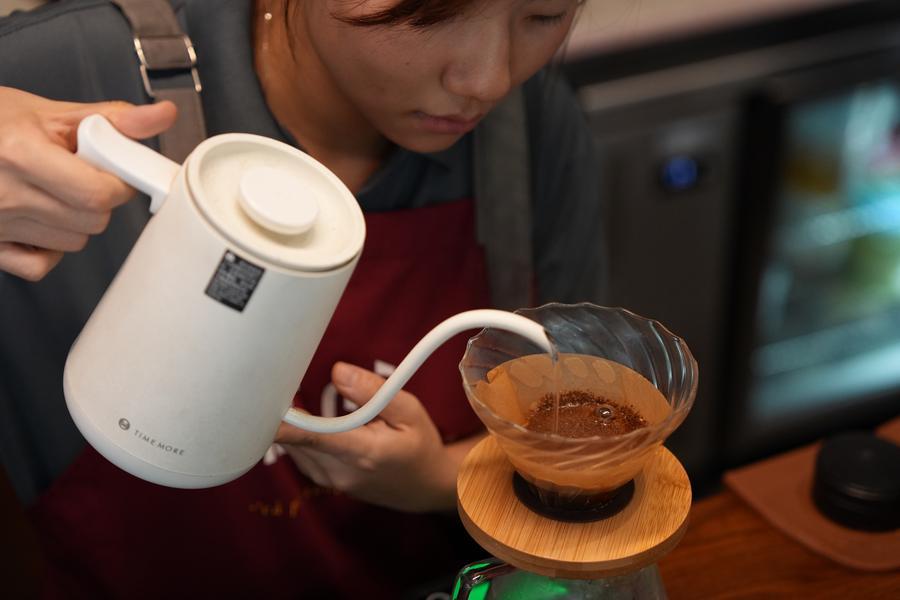
Trade ties between Yunnan and Vietnam have grown beyond simple commodity exchanges, creating an environment that has helped fuel the growing coffee trade between the two sides. Joint initiatives, including the China-Vietnam coffee festival, industry-led trade alliances, enterprise matchmaking and supply-chain field visits, have built deep industry-to-industry connections.
At the Fourth China International Supply Chain Expo in Beijing in June, a 40-square-meter Yunnan-Vietnam-themed coffee booth drew wide attention by highlighting its edge in frontier-based cross-border coffee supply chains.
Cross-border innovation in coffee culture is also taking shape across the Lancang-Mekong basin, which China shares with Myanmar, Laos, Thailand, Cambodia and Vietnam. Omar Ali, co-founder and general manager of SinoTaste, created "Mekong Coffee with Six Flavors," a multi-country blended coffee drawing beans from all six Lancang-Mekong nations, after sampling roughly 50 bean lots and testing dozens of formulas.
"When you make a multi-origin blend, the point is not to make one origin stand out. It is about how these coffees complement each other and create something none could achieve on its own," Omar Ali said. "It mirrors partnerships: every country and culture carries distinct strengths; brought together, they produce new possibilities."
TO GO FURTHER AFIELD
While Southeast Asia remains at the heart of Yunnan's Asia-Pacific coffee trade, the beans are travelling much farther -- all the way to New Zealand, where they remain a niche but notable newcomer to the specialty-coffee scene.
New Zealand's cafe culture has relied heavily on beans from established Latin American producers such as Brazil and Colombia. But Yunnan green beans have begun appearing at a handful of local roasteries, Radio New Zealand reported.
MQ Coffee, based in Auckland, New Zealand's largest city, is among the businesses giving Yunnan coffee a foothold in New Zealand. Its co-owner, Wang Yanqi, said the beans have improved markedly in quality in recent years, just as international interest in China as a source of coffee has begun to grow.
The company features Yunnan beans in its training and tasting sessions, putting them side by side with coffees from other origins to give participants a firsthand taste of Yunnan's distinctive flavor profiles.
Wang noted that some Yunnan coffees have good sweetness and body, allowing their distinctive coffee character to shine through even with milk added.
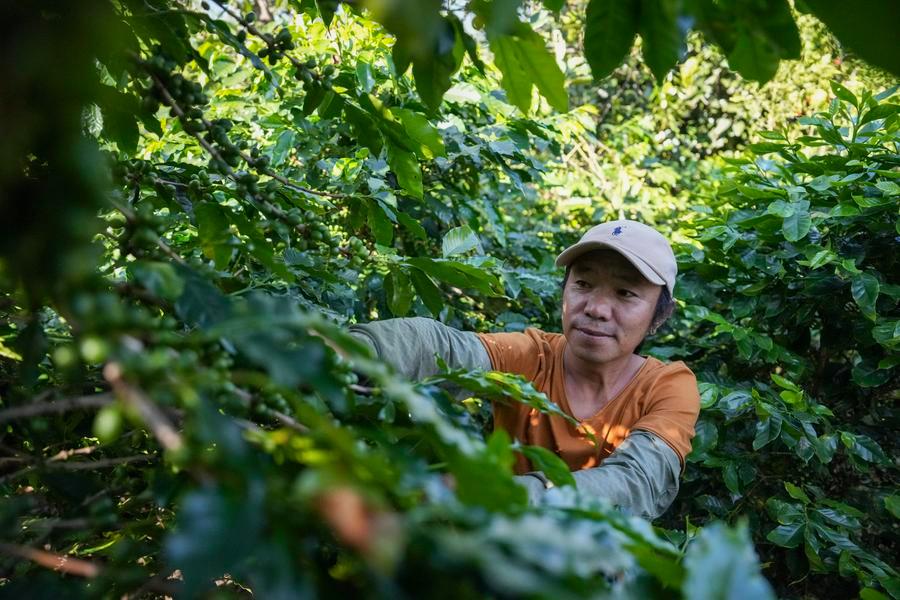
The company has organized study tours for New Zealand coffee professionals and enthusiasts to visit growing regions inside Yunnan, where they could gain direct insight into local coffee farming and processing practices.
To turn overseas interest into repeat purchases, Yunnan coffee must become more competitive on quality, price and reliability of supply, Wang said.
The quality of Yunnan coffee has improved significantly over the past decade, Ooi said. "Now we are learning about its taste profiles, but we want to understand them more deeply." (Video reporters: Li Shutong, Wang Jiawei, Zul and Jonathan Tham Yao Ming; Video editors: Zhao Tianlin, Liu Xiaorui, Zhang Yuhong and Zhang Yichi)■