
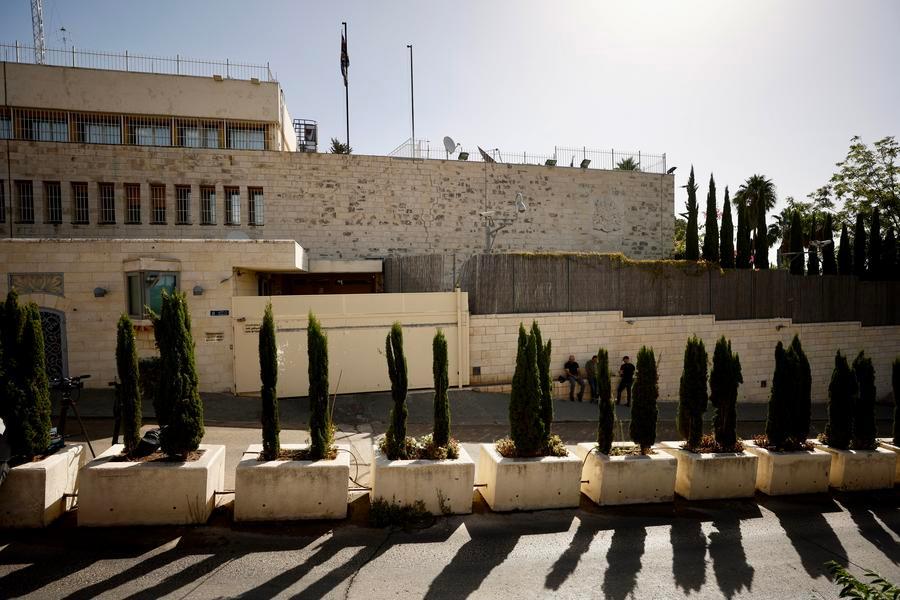
JERUSALEM, Oct. 8 (Xinhua) -- Israel said on Thursday that the British consulate in East Jerusalem had "ceased to function as a consulate," with the consul general and 19 diplomats set to leave the country.
The move followed a month-long diplomatic dispute, highlighting tensions between Israel and one of its longstanding Western allies over Israeli policies in the West Bank.
WHAT DID ISRAEL, BRITAIN SAY?
Israeli Foreign Minister Gideon Sa'ar announced in a statement that the consulate would be downgraded, saying the move followed a series of British measures against Israel, including sanctions targeting Israeli settlements in the West Bank and restrictions on defense exports.
Following talks between the two governments, Israel agreed to allow seven British diplomats to continue operating from the building, Sa'ar said, adding that "their scope of activity will be very limited."
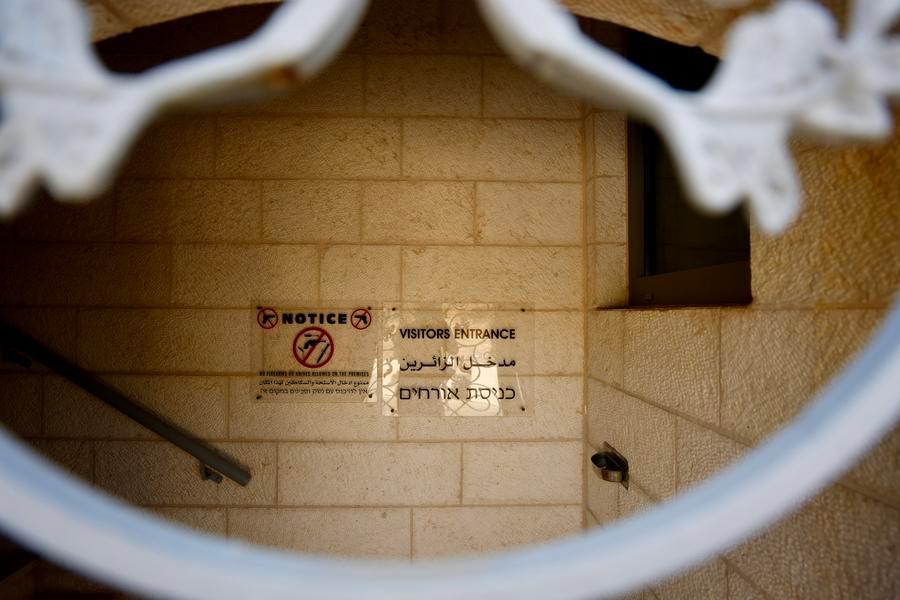
Photos released by the ministry showed that the consulate's sign had been removed.
Britain has rejected Israel's authority to close the consulate and vowed to rebuild its diplomatic presence in the coming months.
"We do not accept that the Government of Israel has the legal right to close the British Consulate General in Jerusalem," British Foreign Secretary Ed Miliband said in a statement on Thursday, citing East Jerusalem's status as occupied territory.
Israel effectively annexed East Jerusalem shortly after capturing it in the 1967 Middle East war and considers the entire city its "indivisible capital," a claim not recognized by most of the international community.
Miliband said the building would remain open as the "UK Mission, Jerusalem," and would continue its work with Palestinians.
Both sides said they had agreed to continue talks, with Britain pledging not to take reciprocal measures while discussions remained "credible."
WHAT'S THE TRIGGER?
The immediate trigger was Britain's announcement on Sept. 8 of plans to ban trade in goods from Israeli settlements in the West Bank, alongside additional measures targeting Israeli settlement activity.
Britain announced the move alongside France and Canada, as part of a joint declaration by 12 countries expressing concern over Israeli settlement expansion and rising settler violence in the West Bank.
The countries said the measures were intended to preserve the possibility of a two-state solution to the Israeli-Palestinian conflict.
Describing the move as hostile and politically motivated, Israel announced four countermeasures that day: closing the British consulate in East Jerusalem within 30 days, removing British personnel from a U.S.-led Gaza coordination center in southern Israel, terminating British involvement in training Palestinian Authority security forces in the West Bank, and banning 12 British elected officials and citizens from entering Israel.
Sa'ar said Thursday that all four measures had been implemented.

PRESSURE OR GESTURE?
The developments came amid mounting international outcry over Israel's settlement expansion in the West Bank and violence against Palestinians.
Britain and several other Western governments, all longstanding allies of Israel, have adopted increasingly critical positions on Israeli policies. Yet their measures raise questions about whether they can exert meaningful pressure on Israel or remain largely political signals aimed at domestic audiences.
The immediate economic impact appears limited. Settlement goods account for less than 5 percent of Israeli exports, with annual exports to Britain estimated at just 11.1 million U.S. dollars, according to the Manufacturers Association of Israel.
However, the planned restrictions have already sparked concerns in Israel's banking sector. Israeli business daily Calcalist reported Wednesday that the country's banking association had commissioned a legal review to assess whether British sanctions could affect banks financing settlement expansion and lead to tighter scrutiny from foreign financial institutions. ■