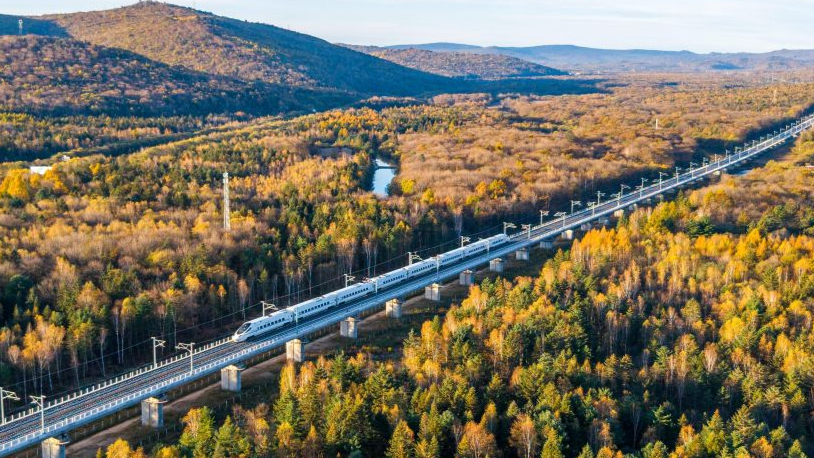
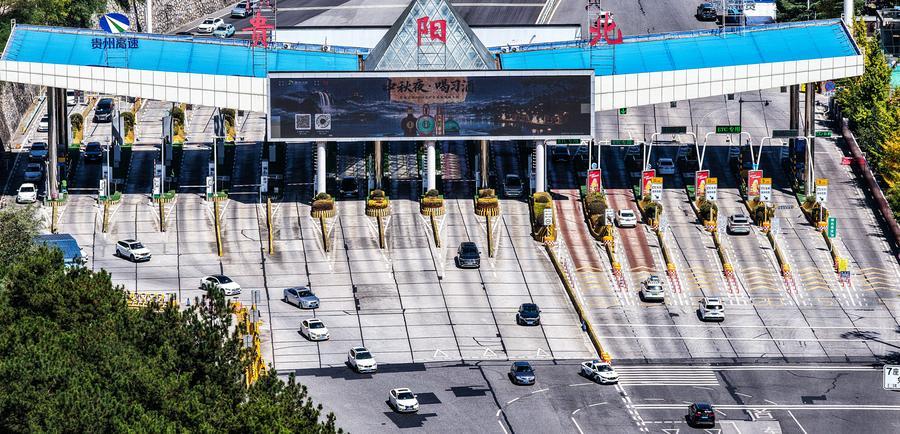
BEIJING, Oct. 8 (Xinhua) -- China's highway new energy vehicle (NEV) charging volume rose sharply during the recent week-long National Day holiday, data from the National Energy Administration showed on Thursday.
From Oct. 1 to Oct. 7, the country's highway NEV charging volume reached 163 million kilowatt-hours, averaging 23.26 million kilowatt-hours daily, up 51.42 percent year on year.
These figures reflect both the rapid growth of China's NEV fleet and the growing number of highway charging facilities.
China is the world's largest NEV market. NEV sales and ownership have climbed steadily, partly supported by trade-in programs and increasingly competitive domestic models.
Official data show that China's NEV ownership has reached 48.97 million, or 13.19 percent of all vehicles, with NEVs accounting for nearly half of new vehicle registrations in the first half of 2026.
China has been accelerating the expansion of charging infrastructure as part of its broader push to promote NEVs and cut carbon emissions.
The total number of charging connectors in China has surpassed 24 million, making it home to the world's largest electric vehicle charging network.
About 89,000 charging facilities have been installed at expressway service areas. From January to August this year, these service areas added around 11,000 high-power charging units, roughly equal to the cumulative total before this year.
The National Day holiday, often called "Golden Week," is one of China's busiest travel periods. A total of 2.14 billion cross-regional passenger trips were made over the seven days this year, averaging more than 300 million a day.
During the 15th Five-Year Plan period (2026-2030), China aims to upgrade and retrofit charging facilities at expressway service areas to build an intercity charging network that effectively meets mid- and long-distance travel needs, while also raising the share of fast-charging facilities.
By 2030, the total number of charging facilities is expected to exceed 40 million units, including approximately 300,000 high-power charging facilities, providing enough charging capacity to support more than 110 million electric vehicles. ■