by Fatima Al-Huraibi
TAIZ, Yemen, Oct. 5 (Xinhua) -- When the war in Yemen forced me to flee Taiz city for the countryside some 11 years ago, I felt like I was going back to the life I had once tried to leave behind.
At the time, I was focused on finding a safe place for my children and keeping their education going.
I did not know then that returning home would lead me back to teaching and eventually to building an educational center for children in the rural area where I grew up.
The sixth of 11 children, I was born and raised in As Silw, a rural district in Yemen's southwestern Taiz province.
Although my mother had never received a formal education, she always encouraged me to study. She often told me how important education was and how much a teacher could mean to a child.
Her words stayed with me, and I began to dream of becoming a teacher.
That dream took me to Taiz University. In 2014, I graduated from its Faculty of Education and began teaching in Taiz city.
At that time, I had separated from my husband and was raising my two daughters, Haya and Saba, on my own.
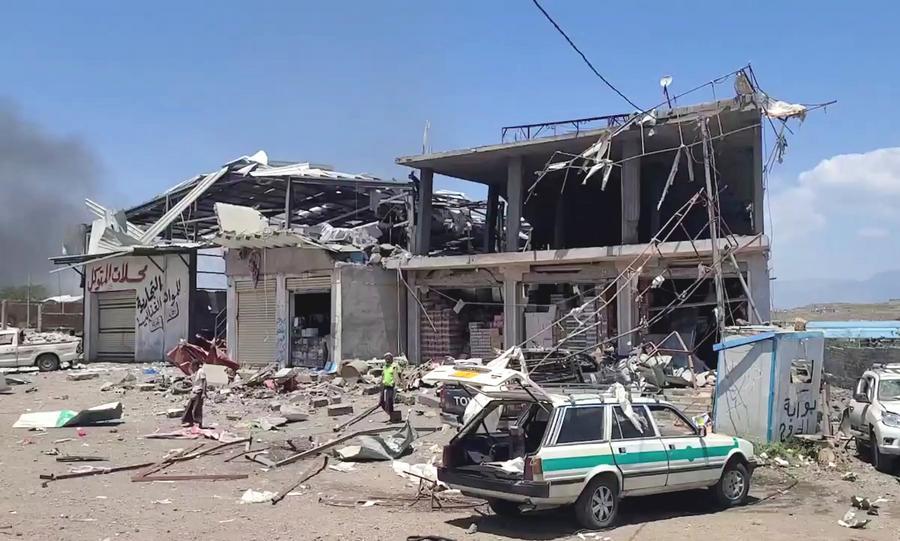
Then war came. Schools were shelled, and some were turned into military barracks as fighting spread. Families fled their homes, livelihoods disappeared, and keeping children in school became increasingly difficult.
In 2015, I took my daughters to my home district, hoping to find somewhere safe.
But reaching safety raised another question: What would happen to my daughters' education?
The war had overturned the life my education had helped me build, but it had not taken away my ability to teach.
So I began with Haya and Saba. Soon, other children from nearby villages joined. I cannot remember which child came first. What I remember is how far some of them traveled. Some walked four or five kilometers along rural roads to reach our small classroom. They arrived tired, sat down, and began their lessons.
The room had a leaking roof. We used an old wooden door as our writing board. Sometimes, the children traced letters on the floor with sticks.
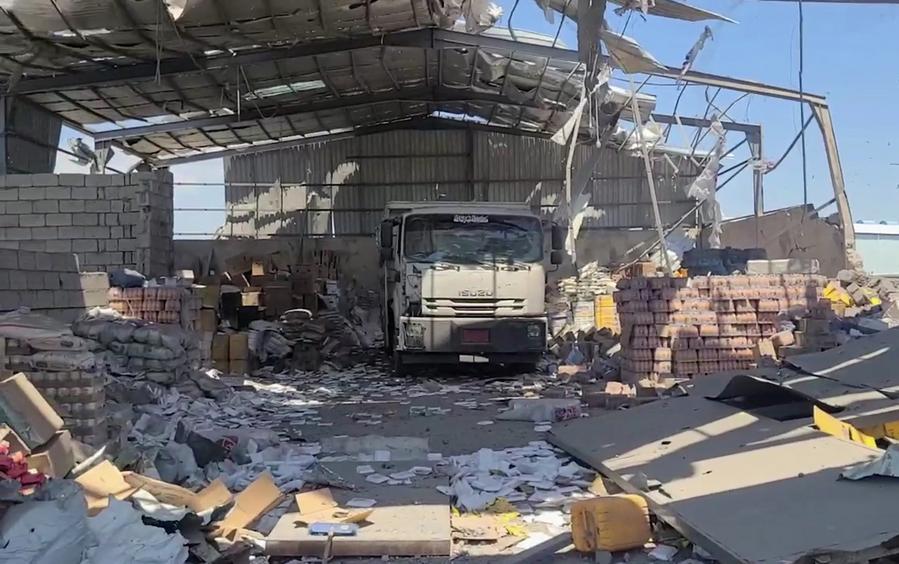
At first, I simply wanted to keep my own daughters learning after we were displaced. But as more children came, I began to wonder: If they were willing to walk several kilometers to reach a room like this, why shouldn't they have a proper place to learn closer to home?
That was when I began thinking about building a permanent educational center.
In As Silw, I got to know the women around me and their daily lives. I worked alongside them in the terraced fields, carrying crops, firewood, and water, and listened as they talked about their families and the futures they wanted for their children.
I also met girls who wanted to learn but lived far from schools. For some families, sending a daughter to the city was too expensive. For others, letting a young girl live away from home was simply not an option.
But distance was only part of the problem.
Years of war had also pushed teachers and students away from education. Around me, I saw teachers earn less than 60 U.S. dollars a month, and sometimes wait for months to be paid. Some choose to abandon teaching for other work, including military service, as fighting was seen as a quicker way to earn a living.
I have seen how war can empty a classroom without destroying the building itself.
I wanted a place where a boy could hold a book instead of being drawn toward a battlefield, and where a girl could continue learning rather than have poverty, distance or early marriage decide her future.
Wanting such a place was one thing. Building it was another.
There was no suitable building to rent. I had little money, and some people doubted that a woman could establish an educational center in a remote rural area in the middle of a war.
Others mocked the idea. My mother believed in me.
I spent my savings, sold my jewelry, and borrowed money from my brother. The construction began in 2016. In our mountainous area, getting cement and other materials to the site was difficult, and the war made transportation and supplies more uncertain.
There were days when I looked at the unfinished building and wondered whether I could really do it. But the walls kept rising.
Then came a day I still remember clearly: the children walked into a classroom built for them.
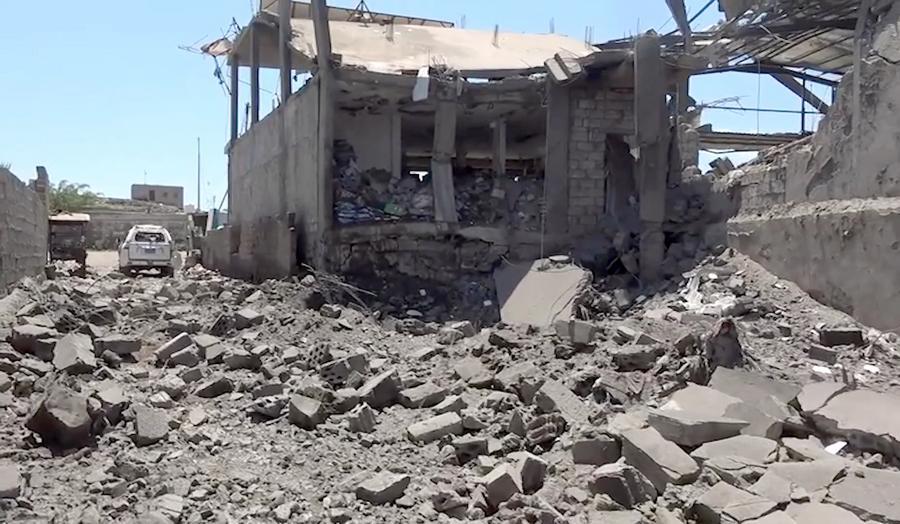
There were chairs to sit on, whiteboards to write on, and colorful pens to use. We even had computers where they could begin learning basic skills. These were ordinary classroom items, but to us, they felt anything but ordinary.
I looked at the whiteboards and remembered the wooden door. I watched the children use the computers and remembered them tracing letters on the floor with sticks.
I called the center "Non-Stop." War had interrupted our lives. I did not want the children's education to stop with it.
As word spread, more children came from nearby communities. Among them was Arwa, a 10-year-old primary-school student who had lost her father in the war.
When she first came to the center, she was frightened. I remember her holding tightly to my hand as we began reading together. So we went slowly, letter by letter and word by word.
Today, Arwa can read and is learning English. Most importantly, she wants to stay in school.
I could not undo what the war had done to her family. But I could sit beside her and teach her to read.
Nowadays, the center serves primary- and secondary-school students. About 10 teachers offer English, mathematics, chemistry, and physics, along with basic computer skills.
For rural girls, having these opportunities close to home can make a difference. Families that cannot afford to send their daughters away, or are unwilling to have them live alone in cities, can still keep them in school within their own communities.
Now, at 41, I sometimes stand in the center and think about how I got here. The education that once opened up a wider world for me is now something I can share with other rural children.
I still do not know what Yemen will look like when my students grow up. But I know what I want them to remember.
Not just the war, but a classroom, a book in their hands, and a teacher who kept telling them: their future is not defined by the war around them.
Editor's note: Fatima Al-Huraibi is a Yemeni teacher and founder of the Non-Stop educational center in the As Silw district of Taiz province.
The views expressed in this article are those of the author and do not necessarily reflect the positions of Xinhua News Agency.■