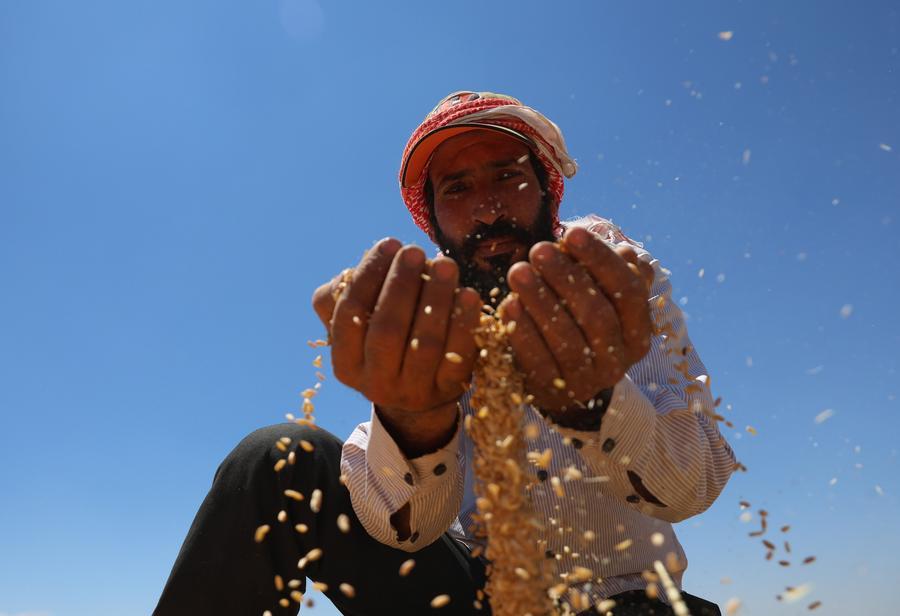
The FAO benchmarks for cereal, sugar and vegetable oil prices all increased last month, as disruptions in the Strait of Hormuz and the Black Sea, combined with climate shocks, put pressure on energy, transport and key food commodities.
ROME, Oct. 2 (Xinhua) -- Global food prices rose in September to their highest level in nearly four years amid disruptions to logistics and concerns over weather conditions, the United Nations Food and Agriculture Organization (FAO) said Friday.
The FAO Food Price Index averaged 136.0 points in September, up from a revised 134.0 points in August and reaching its highest level since November 2022.
The FAO benchmarks for cereal, sugar and vegetable oil prices all increased last month, while meat and dairy prices declined.
FAO Chief Economist Maximo Torero said disruptions in the Strait of Hormuz and the Black Sea, combined with climate shocks, were putting pressure on energy, transport and key food commodities.
If sustained, such pressures could eventually be passed on to consumer food prices, particularly in countries dependent on food and energy imports, Torero said.
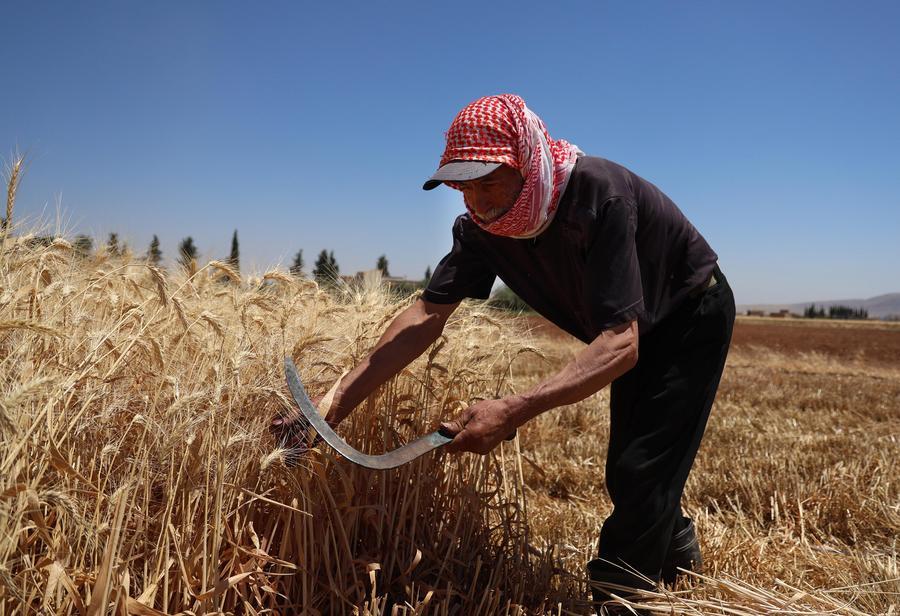
Concerns over a severe El Nino weather pattern pushed international sugar prices to an 18-month high, while disruptions to Black Sea trade amid the conflict drove wheat futures to a three-year peak in early September, according to the FAO.
The FAO forecast global cereal production in 2026 at 2.979 billion metric tons, broadly unchanged from its previous forecast. The figure is 2.1 percent below the 2025 level but would still be the second-highest on record.
The FAO also cut its forecast for global cereal trade in 2026/27 by 0.7 percent from September, citing lower expectations for wheat and maize exports amid constrained shipping routes in the Black Sea.