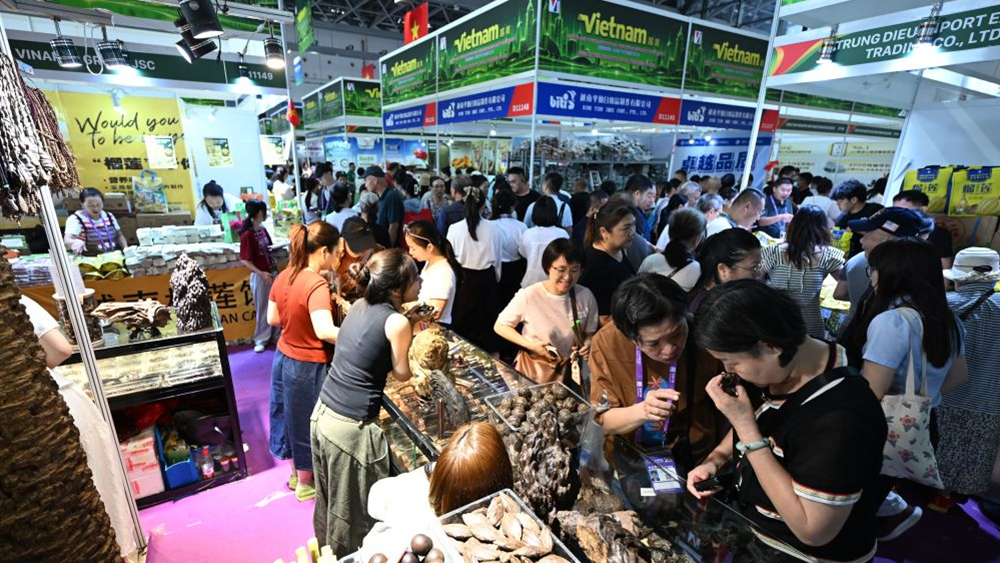
* Chinese manufacturers are taking a more targeted approach to global markets, moving beyond standardized products to create solutions tailored to specific needs in different global markets.
* Stronger R&D capabilities and faster responses to market needs are allowing Chinese manufacturers to play a bigger role in product design and development.
* From robotics and embodied intelligence to quantum computing, new applications are opening up a wide range of possibilities for manufacturing and creating new links with markets around the world.
HEFEI, Sept. 21 (Xinhua) -- As Europe was gripped by extreme heat this summer, a production base in Wuhu City, east China's Anhui Province, was racing to meet urgent orders from its European clients: 20,000 mobile air conditioners had to be produced and loaded in just seven days.
The tight deadline set an equally demanding task for the supply chain. More than 1,000 types of components had to be coordinated at the same time, with some rushed to the production line by air and high-speed rail to keep everything on schedule. Once completed, the air conditioners were transported overland across Eurasia to France.
The seven-day turnaround was made possible by a manufacturing system built for rapid shifts in demand -- from adjusting production lines to coordinating suppliers and logistics in real time.
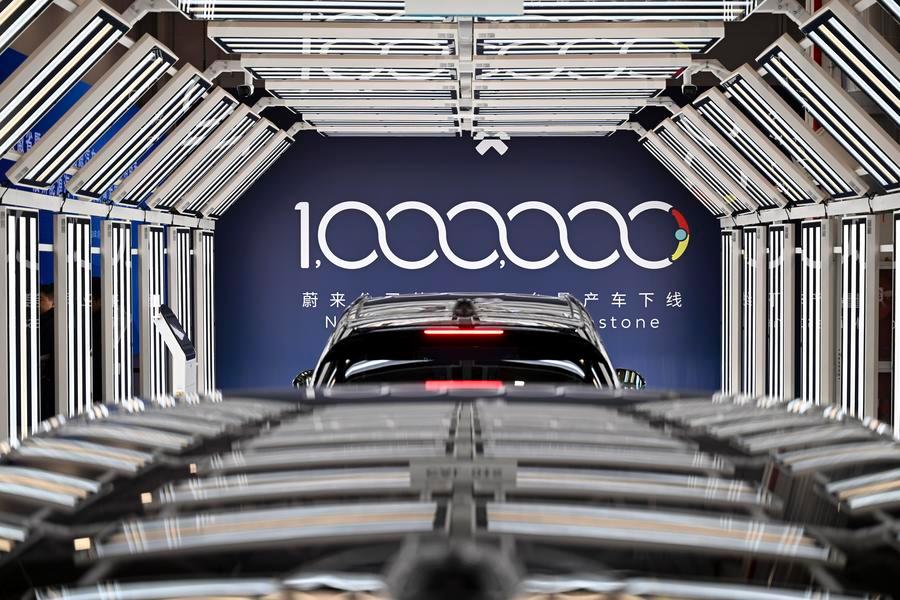
Wuhu is just one part of Anhui's manufacturing landscape. Across the province, manufacturing runs at a scale that can be measured by the minute.
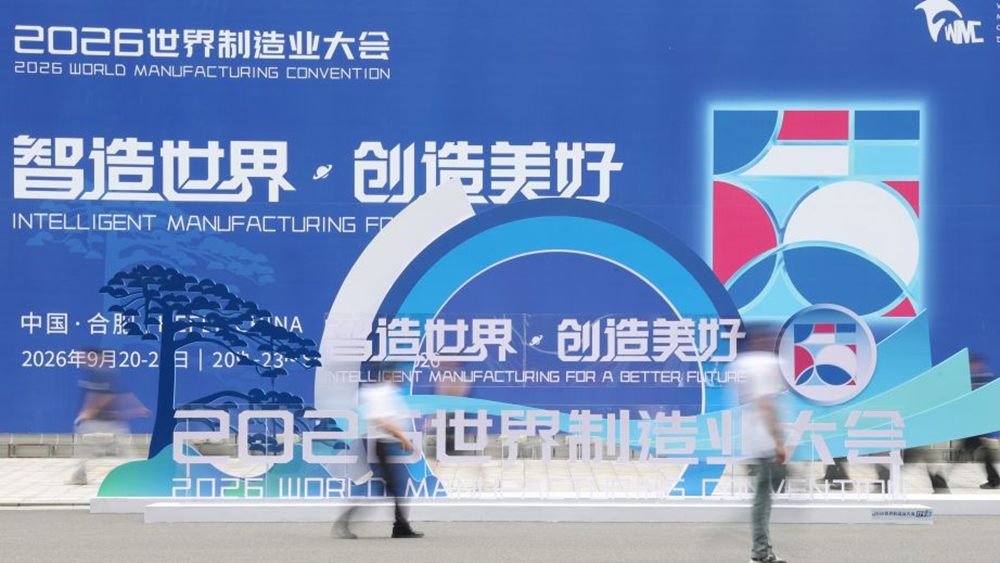
"Every minute, about 190 home appliances, 50 laptops and four new energy vehicles roll off production lines across the province," said Liang Yanshun, Party chief of Anhui, at the ongoing World Manufacturing Convention in Hefei, the provincial capital.
Increasingly, Chinese manufacturers are taking a more targeted approach to global markets, moving beyond standardized products to create solutions tailored to specific needs in different global markets.
TARGETED SOLUTION
In late March, Wuhu-based Tri Waters New Energy Technology Co., Ltd. signed a strategic cooperation agreement with the Maldives' transport authorities to export 32 electric sightseeing boats, each capable of carrying 100 passengers.
Taking into account the Maldives' island geography and demand for greener transport, further plans are in the pipeline to build a photovoltaic energy storage system, charging and battery-swapping networks, and a vessel maintenance base.
"This is a green mobility solution tailored to the Maldives," said Liu Yang, deputy general manager of the company, who noted that the Maldivian side had discussed and planned with the company before reaching a final deal.
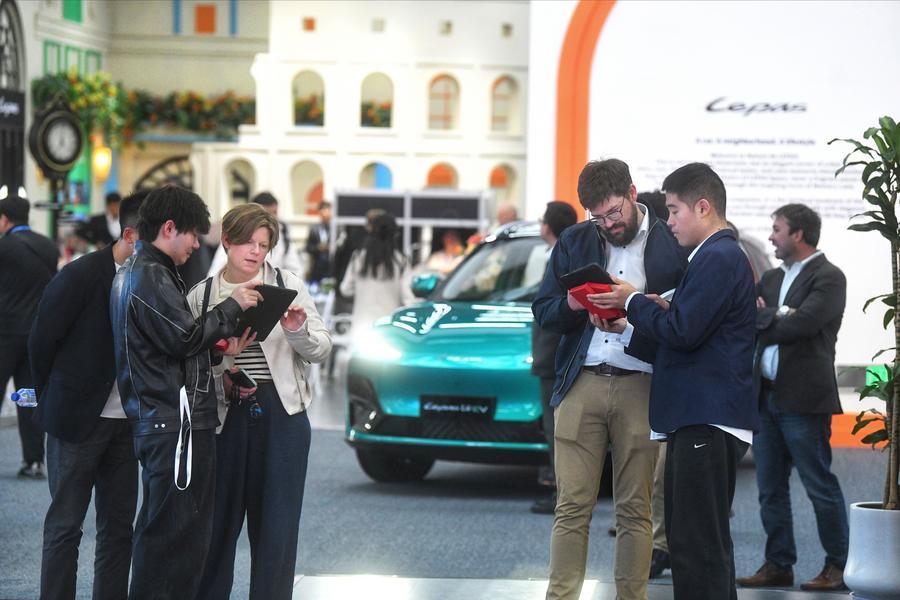
"The shift from simply 'taking orders' to 'solving problems' reflects a profound restructuring of the logic of global industrial division of labor," said Han Junhui, an associate researcher at the Chinese Academy of Science and Technology for Development.
For decades, Chinese manufacturers have been engaged in global production networks primarily because of their strong industrial base and cost efficiency, often making products designed by overseas brands, Han said.
"Now, stronger R&D capabilities and faster responses to market needs are allowing Chinese manufacturers to play a bigger role in product design and development," he added.
FORWARD-LOOKING TECH
The same shift is also visible in emerging sectors, where new technologies are still taking shape. From robotics and embodied intelligence to quantum computing, new applications are opening up a wide range of possibilities for manufacturing and creating new links with markets around the world.
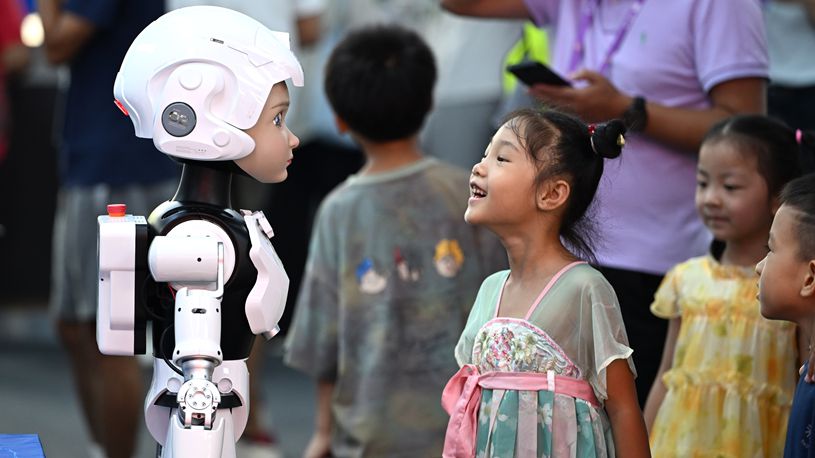
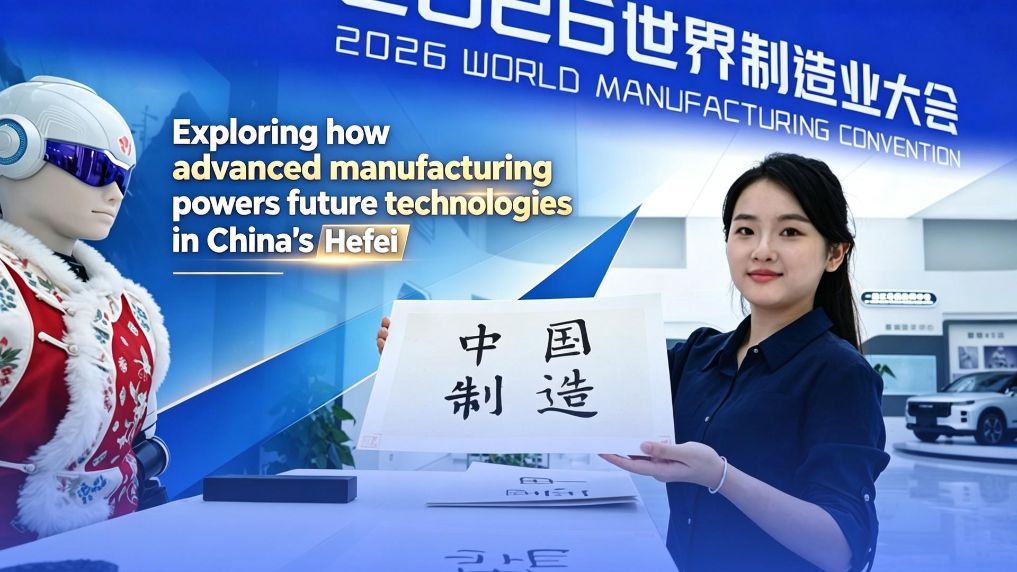
At the robotics and embodied intelligence exhibition area of the 2026 World Manufacturing Convention, nearly 200 robots are on display, showcasing applications in logistics, elderly care, services and other fields.
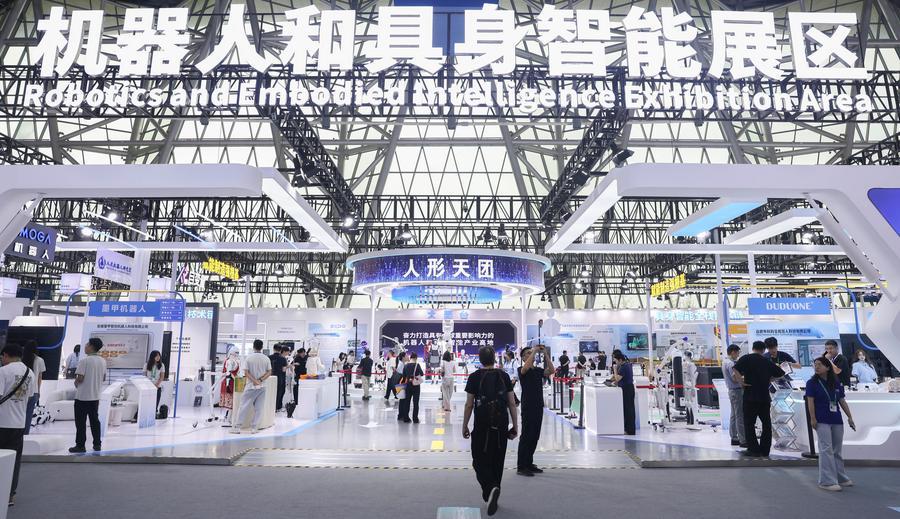
Data from the General Administration of Customs of China show that China exported more than 12 million robots of various types in the first half of this year, with exports valued at 24.85 billion yuan (about 3.68 billion U.S. dollars), reaching more than 160 countries and regions.
"China has a rich range of application scenarios and a strong manufacturing base. The rapid development of artificial intelligence has further strengthened the competitiveness of Chinese-made robots in international markets," said You Wei, chairman and general manager of EFORT Intelligent Robot Co., Ltd., a robotics manufacturer exhibiting at the conference.
Guo Guangcan, an academician of the Chinese Academy of Sciences, said quantum technology worldwide has accelerated its transition from laboratory research to engineering validation, real-world applications and commercial deployment at scale.
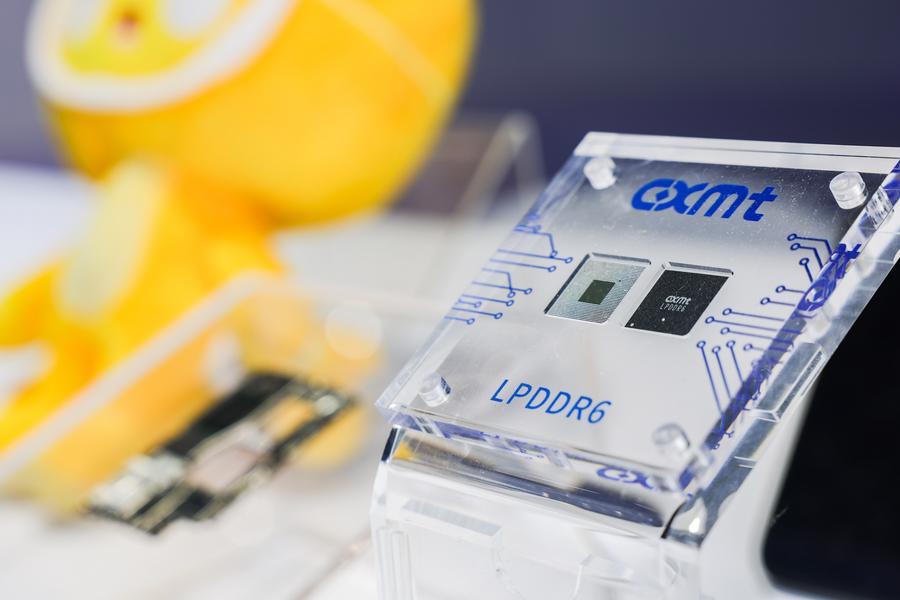
Hefei has now developed a complete technological system covering quantum chips, cryogenic cooling, measurement and control systems, operating software and cloud services, Guo noted.
Through a quantum computing cloud platform open to users worldwide, its computing services have reached 192 countries and regions, with more than 55 million visits and over 1.16 million scientific research and industrial computing tasks completed.
"These applications have demonstrated the feasibility of commercializing quantum computing at scale and provided a practical path for the global open sharing and cross-sector application of quantum technologies," Guo said. ■