TIANJIN, Sept. 7 (Xinhua) -- For decades, the Terracotta Warriors army has been a must-see for foreign tourists in China. Viewing the over 2,000-year-old army in person is an astonishing experience, and yet today's travelers increasingly seek experiences that go beyond the typical postcard view.
Just across the street from Emperor Qinshihuang's Mausoleum Site Museum, Luca, a traveler from Italy, was learning to make a miniature warrior at the intangible cultural heritage terracotta craft training center. His instructor was Han Mimi, an inheritor of ancient pottery-making techniques.
Luca patiently followed the process of kneading clay, pressing molds, and demolding his own small warrior. These steps appear simple, but each one demands a steady hand and quiet concentration.
Touching history with your own hands is what real immersion means, Luca said afterward. "We didn't just see the grand terracotta army -- we experienced how it was made. When your fingers touch the clay, you can actually feel the skill and dedication of the ancient craftsmen."
Luca is not alone in pairing iconic sights with deeper cultural experiences. Han said a growing number of independent travelers have been booking hands-on sessions online. So far this year, the center has received nearly 3,000 foreign visitors.
China's visa-free policies have enabled more foreign visitors to experience China firsthand. Official figures recorded 22.9 million inbound foreign arrivals in China during the first half of 2026, a 20.4-percent year-on-year increase.
Amid the tourism boom, more international visitors are moving beyond the classic landmarks to explore the country in more immersive ways.
How to seize this shift and lead the tourism upgrade was a common concern among attendees at the 2026 China Culture & Tourism Industries Expo, a four-day event that ran from Sept. 3 to 6 in Tianjin Municipality in northern China. The expo attracted more than 2,500 culture and travel companies from 20 countries and regions, alongside 10 international organizations and national-level industry associations.
Among them was Richard Matuzevich, senior manager of the external liaison department at the World Tourism Cities Federation. Having lived and worked in China for 18 years, he has watched the country's tourism landscape evolve up close.
Visitors are increasingly seeking everyday experiences such as local food, neighborhood strolls, traditional crafts, contemporary art, technology and winter activities, Matuzevich said, adding that smart travel tools, visa-free policies and a safe public environment have all helped draw foreign tourists to China.
Olesia Razumnaia, general manager of Russia's Sunmar Travel Agency, shared this view. "Russian families, younger tourists and culture enthusiasts are eager for immersive, hands-on cultural experiences."
With growing "China travel" orders, this agency has worked closely with Chinese cultural and tourism providers to design themed packages, spanning study tours, folk culture experiences and wellness retreats.
A similar strategy is being adopted by Chinese service providers, such as Shanghai-based travel agency Eastbound and Beyond. Their guides take foreign visitors on electric scooter rides through historic lanes, telling stories along the way, such as how the once-black Suzhou Creek was transformed into a clean, clear waterway where herons now perch and dragon boat races are held. The tour also invites travelers to join seniors doing morning tai chi in local parks.
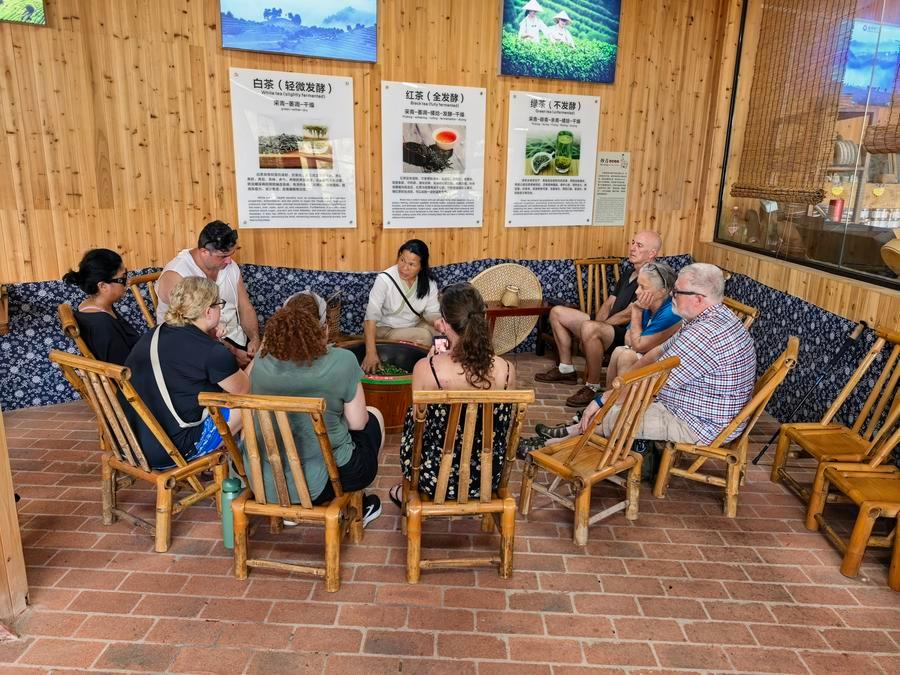
"The travel footprint of inbound visitors is expanding, reaching smaller counties and even rural villages. At the same time, their pace is slowing down, as they take time to seek out more authentic cultural experiences, like browsing local markets, trying street food, exploring ancient architecture or trying their hand at intangible cultural heritage crafts," said Ma Yiliang, vice president of the China Tourism Academy.
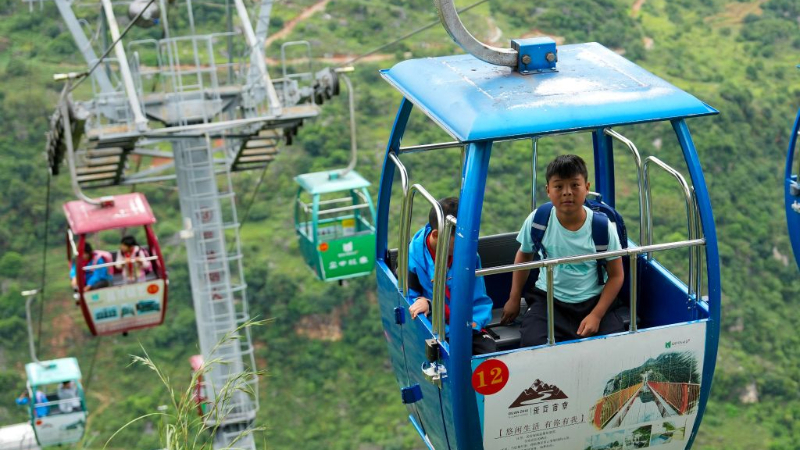
During the 2026 Spring Festival, domestic flight bookings by foreign travelers covered 107 Chinese cities. Zhangjiajie in central China's Hunan Province was one of these cities. The destination draws some overseas visitors with its spectacular landscapes made famous by the movie "Avatar," while others prefer to venture into local Miao villages to learn about the everyday lives of ethnic minorities.
"China has an enormous domestic tourism market, excellent infrastructure and a strong ability to integrate technology, culture and tourism," said Kristina Korencikova, destination manager of Slovakia's Horehronie region.
She added that a similar shift is visible among Chinese outbound travelers as well. They are increasingly seeking authentic experiences, nature, culture, local traditions and lesser-known destinations, rather than concentrating solely on Europe's most famous cities.
At its core, she said, travel is not just about seeing scenery; it's about encountering culture, understanding one another and forging friendships. ■