by Xin Ping
The Shanghai Cooperation Organization (SCO) Summit drew to a successful conclusion on Sept. 1 in Bishkek, the capital of Kyrgyzstan. The SCO countries held a substantive and productive discussion on the organization's next phase of development, which produced more than 30 cooperation documents, spanning everything from transport, logistics, and biotechnology to artificial intelligence, energy, and drug control. These deliverables mark tangible progress by SCO members in implementing the 10-year development strategy laid out at the Tianjin Summit.
FROM TIANJIN TO BISHKEK
China has been central to the SCO story: not merely as a founding member, but as a key contributor to the SCO's evolution.
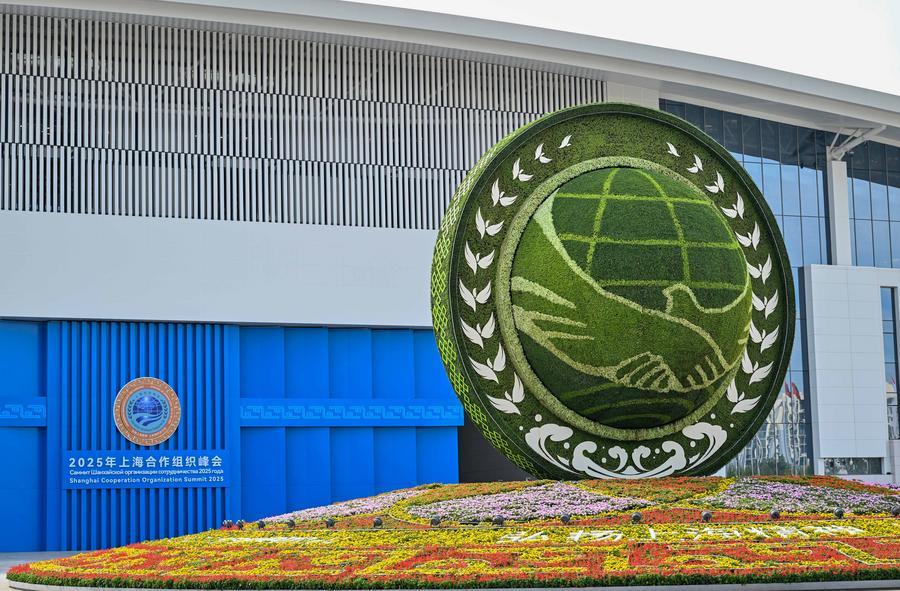
Last year at the Tianjin Summit, a milestone in the growth of the SCO, China and other member states jointly crafted a strategic blueprint for the organization's next decade, ushering in a new stage of high-quality development.
This year's SCO summit comes at a time when the world enters a new period of turbulence and transformation, and global governance stands at yet another critical crossroads. Rising to the occasion, and with a view to promoting higher-quality development of the organization, China called on the SCO countries to step forward to shoulder the historical responsibility and steer human development to a promising future -- by staying committed to putting development first and opening up the prospects for shared prosperity; taking security as a key goal, and fostering an environment of common security; putting people first, and cementing the foundation for everlasting friendship; promoting dialogue and consultation, and striving for more equitable and orderly governance.
FROM VISION TO ACTION
Being an architect is only half the job. China has also shown itself to be a real doer.
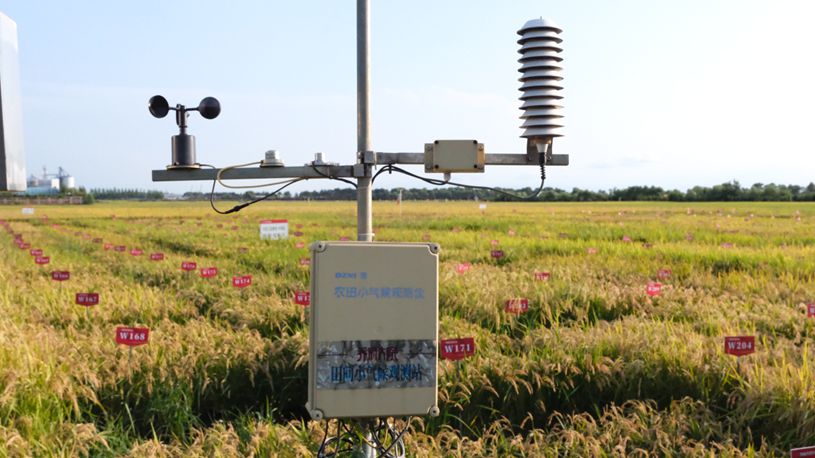
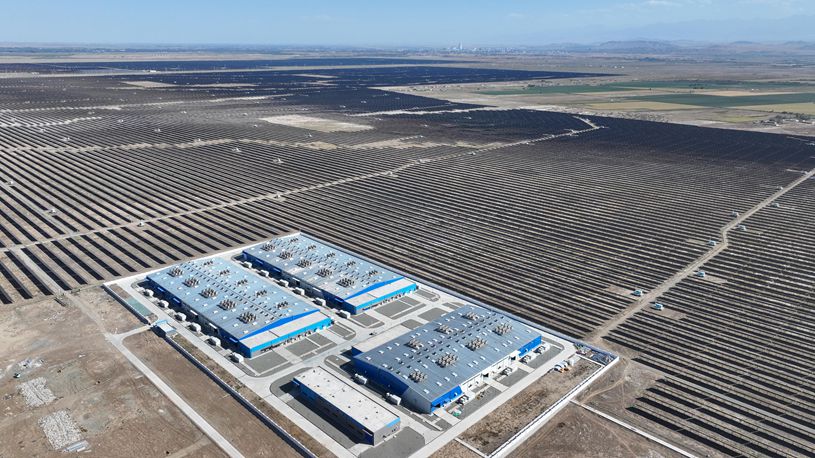
Over the year since the Tianjin Summit, China's initiatives have moved from papers to projects. Seven cooperation platforms covering green industry, the digital economy, scientific and technological innovation, energy, higher education, vocational and technical education, and artificial intelligence have been launched, generating more than 160 projects. Nearly three-quarters of the planned 10-million-kilowatt additions in solar and wind power have been implemented, while more than two-thirds of the 100 "small and beautiful" livelihood projects have been approved. Also, the action plan for high-quality economic and trade cooperation has continued to support growing trade between China and other SCO countries.
On Sept. 1, China released the List of Achievements of China's Actions to Promote the Development of the Shanghai Cooperation Organization Action (2025-2026), cataloguing more than 150 Chinese-initiated documents, events, and projects since the Tianjin Summit. China's contributions to the advancement of the SCO are there for all to see.
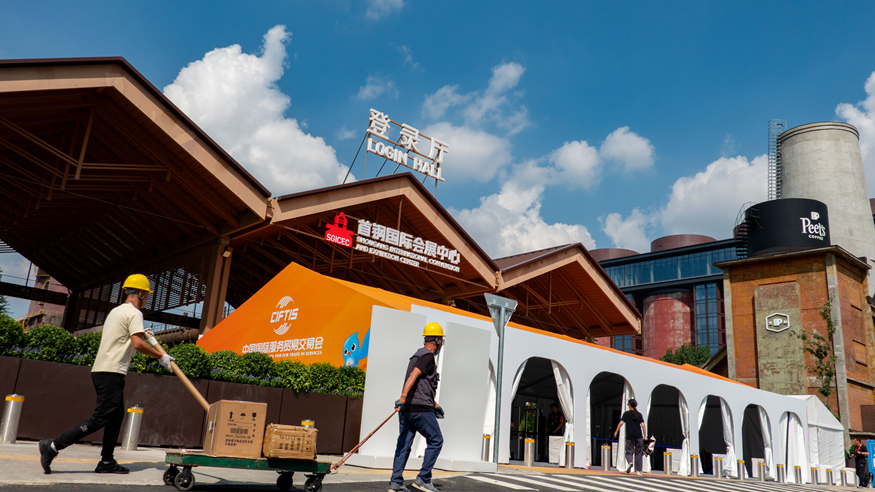
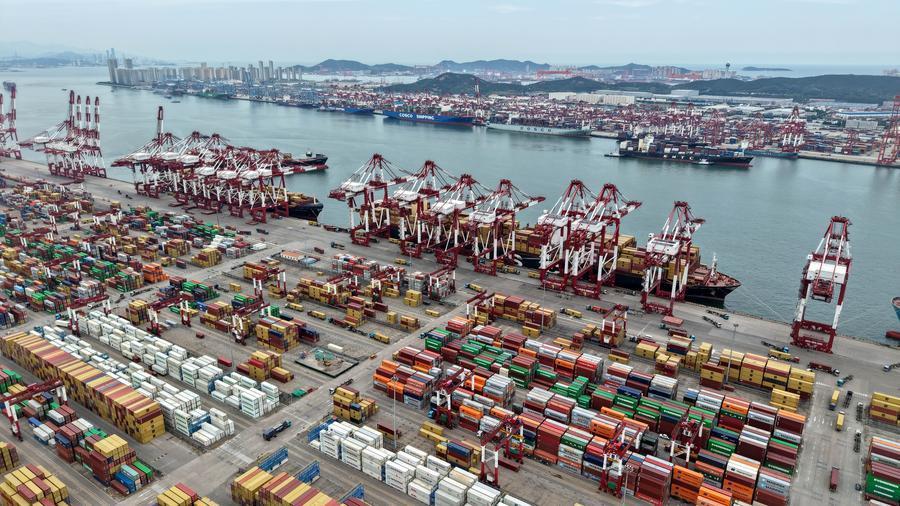
This year, China brought to Bishkek not only a vision for the way forward, but also more initiatives and projects in support of the SCO development. These include the establishment of a China-SCO port economic cooperation center in Tianjin and a basic education cooperation center in Beijing, the launch of an international AI application cooperation center and 100 technological cooperation projects with fellow SCO countries, and the training of more green industry professionals through China-SCO cooperation, among other things. These initiatives will inject fresh momentum into the organization's development.
This is where China's role in the SCO becomes particularly visible. While summits set the direction, regional cooperation is ultimately judged by what happens after the cameras leave.
Looking back, the SCO has been an impressive success: what began in 2001 as a group of six countries working together to build military trust along their borders and combat terrorism, separatism and extremism, has grown into a family of 27 countries spanning Asia, Europe and beyond -- representing nearly half of the world's population and an economic aggregate approaching 30 trillion U.S. dollars, and covering fields of cooperation from politics and security to economic and people-to-people exchanges.
The productive Bishkek Summit has once again proven that the SCO is a steadfast pillar for peace, a responsible force for openness, and an anchor of stability in a turbulent world. As the SCO embarks on its next quarter-century journey, China will continue to contribute its wisdom and strength to the higher-quality development of the SCO, injecting fresh and sustained momentum to regional peace, development and shared prosperity.
Editor's note: The author is a commentator on international affairs, writing regularly for Xinhua News Agency, Global Times, China Daily, CGTN etc. He can be reached at xinping604@gmail.com.
The views expressed in this article are those of the author and do not necessarily reflect the positions of Xinhua News Agency.■