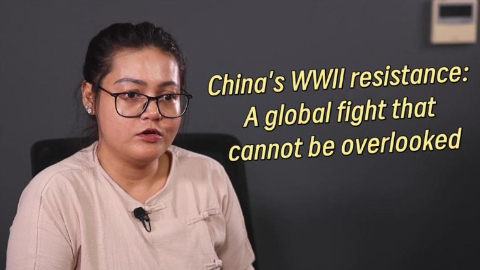
YEREVAN, Sept. 4 (Xinhua) -- The South Caucasus has entered a period of structural and geopolitical adjustments, and the principles of the "Shanghai Spirit" are highly relevant to regional stability and development, Armenian scholar Johnny Melikyan has said.
In a recent written interview with Xinhua, Melikyan, a senior analyst at Armenia's Orbeli Center, said the expansion of cross-regional connectivity, shifting regional balances, and evolving security dynamics require the countries of the South Caucasus, including Armenia, to pursue foreign policies that are highly pragmatic, flexible and multidimensional.
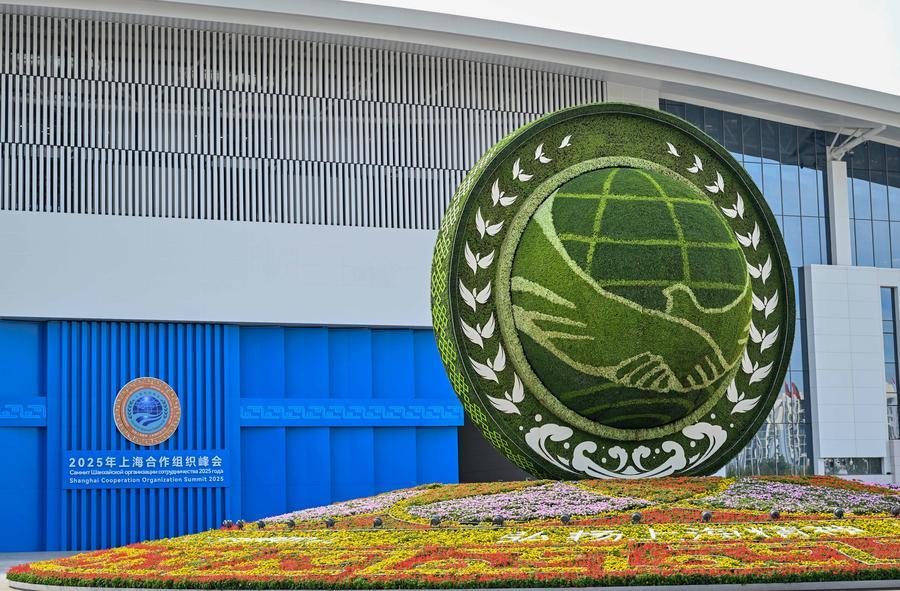
Melikyan said the core principles of the "Shanghai Spirit" -- mutual trust, mutual benefit, equality, consultation, respect for diversity of civilizations, and pursuit of common development -- align closely with Armenia's foreign policy priorities. Armenia's institutional engagement with the Shanghai Cooperation Organization (SCO) should be viewed within the framework of its active efforts to pursue a diversified foreign policy, he added.
Against the backdrop of today's fragmented international landscape, countries in the South Caucasus should play a constructive role in promoting regional connectivity, he said.
He said the SCO has evolved from a primarily security-focused organization into a comprehensive platform for economic and digital cooperation, demonstrating that modern security extends far beyond military might.
"Lasting regional stability requires deep economic interdependence, climate resilience, digital cooperation, and joint disaster-response mechanisms," he said.
Melikyan said the SCO's role as a bridge between civilizational spaces is invaluable as global politics becomes increasingly dominated by narratives of division.
Melikyan said that as the SCO enters its second quarter-century, challenges confronting Eurasia will only grow more complex. He stressed that no single nation or exclusive military-political bloc can resolve these challenges in isolation, adding that the future belongs to flexible, pragmatic networks of inclusive cooperation.
"I hope that the countries of the South Caucasus, with the support of our SCO partners, can transition from a zone of geopolitical competition into a secure, predictable, and prosperous continental hub connecting East and West, North and South," Melikyan said. ■