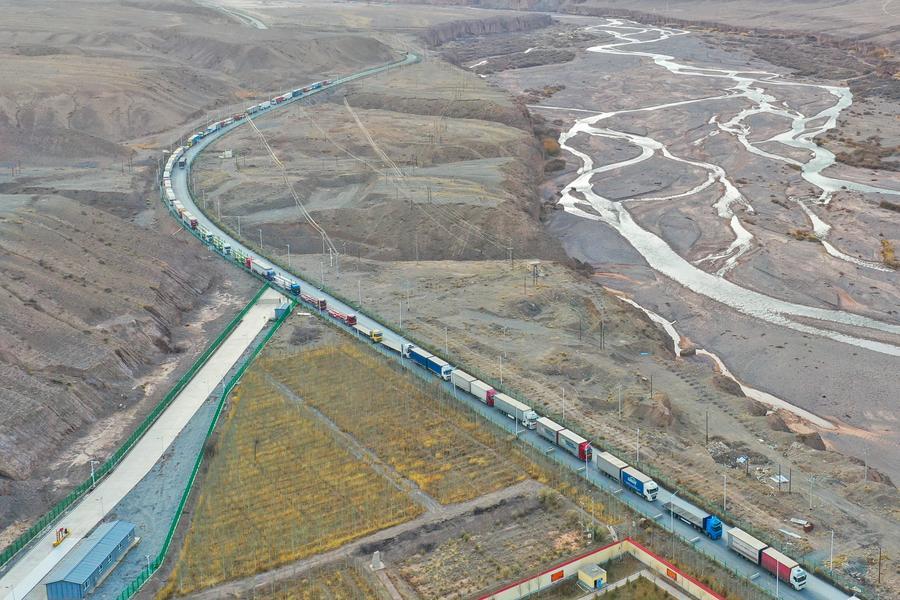
BEIJING, Aug. 27 (Xinhua) -- Picked fresh in Kyrgyz villages in the morning, cherries and melons can now travel hundreds of kilometers and reach markets in Kashgar, an oasis city in the southwestern corner of China's Xinjiang Uygur Autonomous Region, by evening.
The journey is made possible by the China-Kyrgyzstan-Uzbekistan highway, which winds through the rugged mountains of Central Asia, a project under the Belt and Road Initiative proposed by Chinese President Xi Jinping. Shipment will be expedited as the three countries are also seeing the construction of another major cross-border project -- the China-Kyrgyzstan-Uzbekistan railway -- aimed at improving the well-being of people along the route.
The expanding connectivity across Central Asia offers a glimpse into a broader vision Xi has championed over the years: to pursue friendships and partnerships with China's neighbors and foster an amicable, secure and prosperous neighborhood.
Xi will soon pay a state visit to Kyrgyzstan, China's neighbor to the west, and attend the Shanghai Cooperation Organization (SCO) summit in Bishkek, a major move of his neighborhood diplomacy.
Xi's upcoming trip to Kyrgyzstan will be his third visit to the country as Chinese president, following previous visits in 2013 and 2019. Over the years, stronger connectivity has led to expanded economic ties. In 2025, trade in goods between China and Kyrgyzstan reached 27.2 billion U.S. dollars, up 20 percent year-on-year.
Last year, Xi and Kyrgyz President Sadyr Japarov signed a joint statement on deepening the China-Kyrgyzstan comprehensive strategic partnership for a new era, with the two sides pledging to deepen infrastructure cooperation while tapping new potential in clean energy, green minerals and artificial intelligence.
The growing partnership has also been reflected in the Kyrgyz leader's words. He told Xi that Kyrgyzstan's most valuable advantage is having China as its neighbor.
For Xi, relations with neighboring countries have long occupied a prominent place in China's diplomacy. In 2013, not long after assuming the Chinese presidency, Xi put forward the principle of amity, sincerity, mutual benefit and inclusiveness in China's relations with its neighbors. A year later, he formally proposed building a community with a shared future with neighboring countries at a central conference on work related to foreign affairs in Beijing.
"Close neighbors are better than distant relatives. This is a simple truth that Chinese people got to know in ancient times," Xi once said in explaining China's approach to its neighborhood. "We always wish our neighbors well."
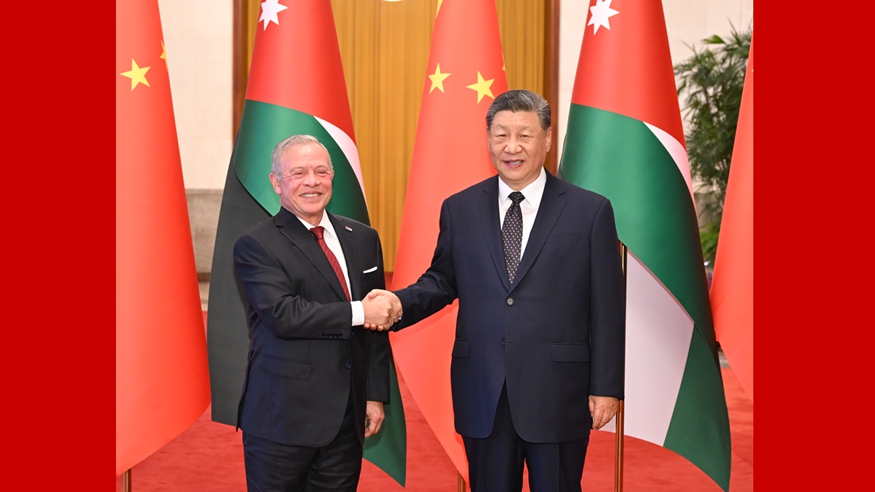
Harboring that wish, Xi has maintained frequent exchanges with leaders across China's neighborhood.
In 2025, all of Xi's overseas trips took him to neighboring countries, including Kazakhstan, Russia and South Korea.
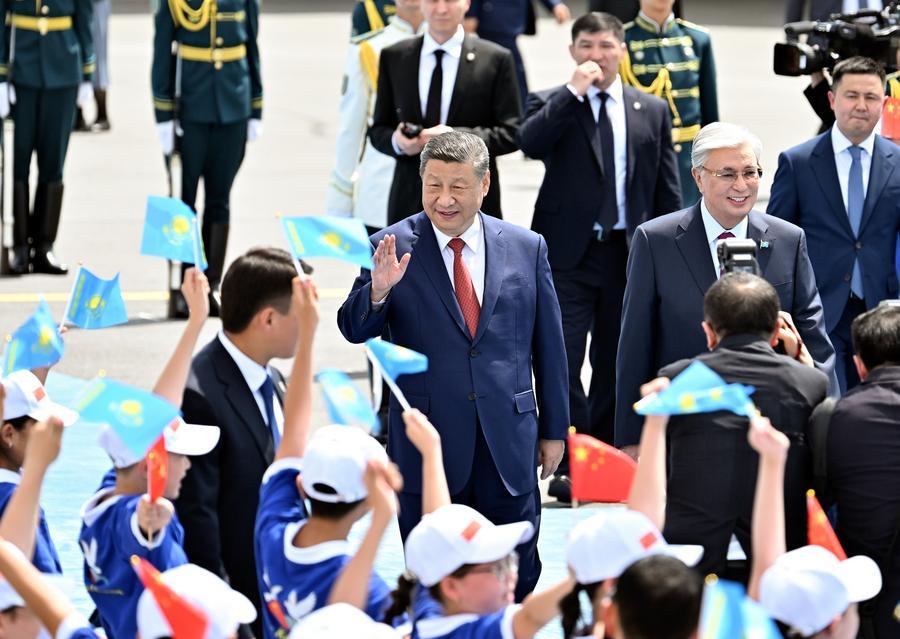
Such diplomatic exchanges have remained intensive in 2026. In June, Xi made his first overseas trip this year, traveling to the Democratic People's Republic of Korea, China's neighbor to the northeast. So far this year, Xi has hosted leaders from more than 10 neighboring countries across Asia, including Thailand, Pakistan and Tajikistan.
When meeting with Bangladeshi Prime Minister Tarique Rahman in June, Xi reiterated China's commitment to the policy of good-neighborliness and friendship. China, Xi said, will continue to provide neighboring countries with new opportunities and fresh dynamism as the country grows.■