CAIRO, Aug. 8 (Xinhua) -- China is playing a key role in Egypt's development through the alignment of the Belt and Road Initiative (BRI) and Egypt Vision 2030, supported by growing Chinese investment and development projects, an Egyptian expert has said.
The establishment of the Egypt-China comprehensive strategic partnership in 2014 marked a milestone in bilateral ties, broadening cooperation to encompass economic, political and strategic dimensions, Tarek Nosseir, president of the Cairo-based think tank Global Forum for Future Studies, told Xinhua in a recent interview.
The forum publishes several studies on China, including its annual report "China in a Year," which provides in-depth analysis of Chinese affairs and Egypt-China relations.
"The bilateral partnership has driven growing Chinese investment in Egypt," he said, attributing the ongoing progress to the alignment of the BRI and Egypt Vision 2030.
He added that the BRI, together with other China-proposed initiatives, promotes development, security and stability, particularly in the Global South, by improving infrastructure, enhancing connectivity and helping narrow the development gap.
He noted that the China-proposed initiatives are grounded in the principles of international law and non-interference in internal affairs, offering developing countries a model of mutually beneficial cooperation without stringent political conditions.
"The initiatives also seek to empower developing countries and promote multilateralism by giving the Global South a stronger voice and fostering development institutions that better represent its interests," he said.
Egypt has reaped substantial economic and development benefits from its participation in the BRI, the expert noted, saying that the initiative has contributed to Egypt's economic development and clean energy transition through large-scale renewable energy projects, improvements to the national power grid, and the expansion and modernization of transport networks.
It has also helped boost bilateral trade, facilitate technology transfer in Egypt's manufacturing and telecommunications sectors, and deepen cultural and educational exchanges between the two countries, Nosseir added.
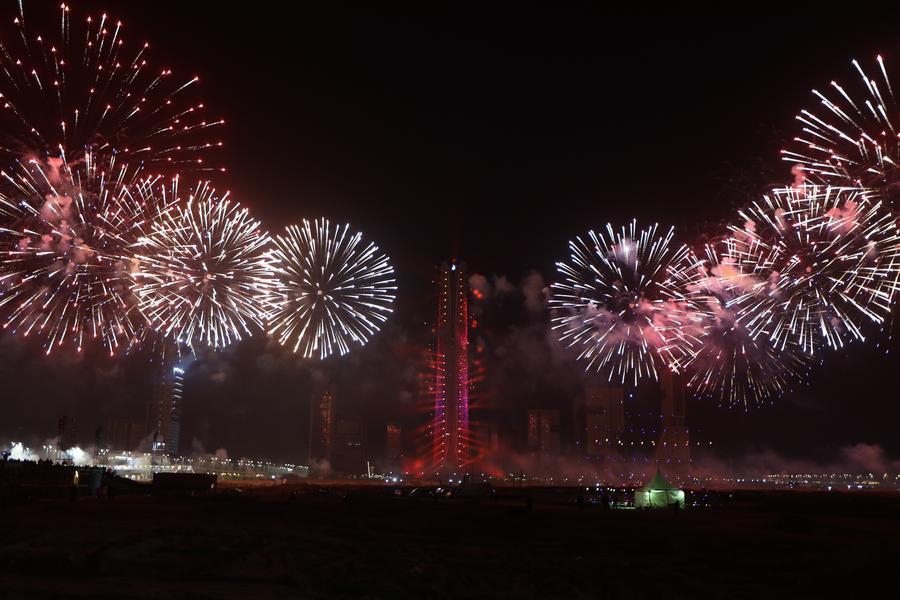
Referring to Chinese contributions to Egypt's flagship development projects, including the Central Business District in the New Administrative Capital, the Light Rail Transit system, cooperation in space technology, and renewable energy projects, Nosseir stressed that Chinese participation has become a cornerstone of Egypt's sustainable development strategy, helping to localize advanced technologies, attract investment, support national development plans, and create tens of thousands of jobs.
"There is no doubt that the Chinese investment boom in Egypt reflects mutual interests," he added.
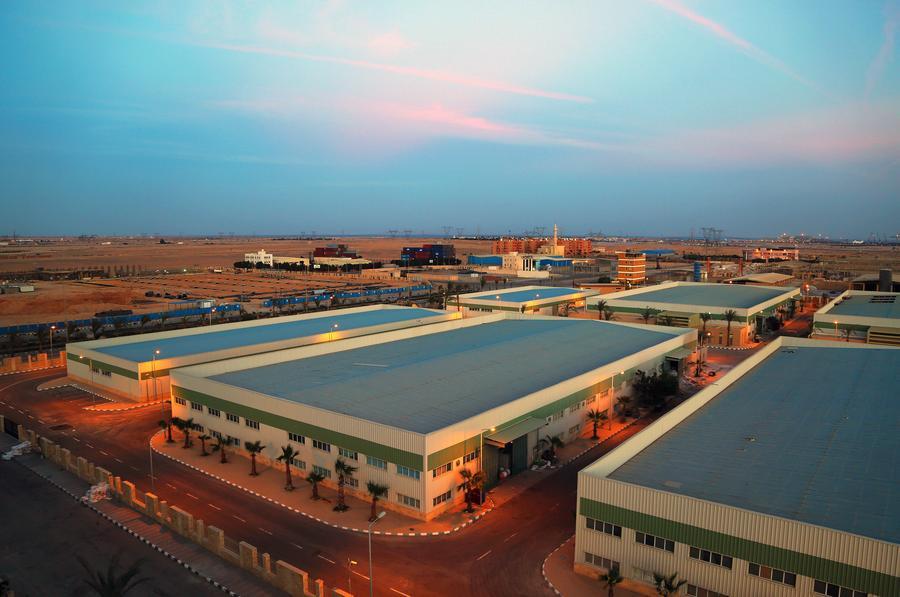
Speaking about the China-Egypt TEDA Suez Economic and Trade Cooperation Zone, Nosseir said the TEDA zone reflects China's confidence in the strategic location and infrastructure of the Egyptian market.
Highlighting the foundations of Egypt-China friendship, Nosseir noted that Egypt and China enjoy growing strategic convergence and close political and economic coordination, reinforcing China's vision of building a community with a shared future for humanity and Egypt's vision of promoting peace, stability and inclusive development.
The Egyptian expert added that the two countries also share similar positions on regional security issues and highly compatible development strategies, leading to closer coordination at the international level.■