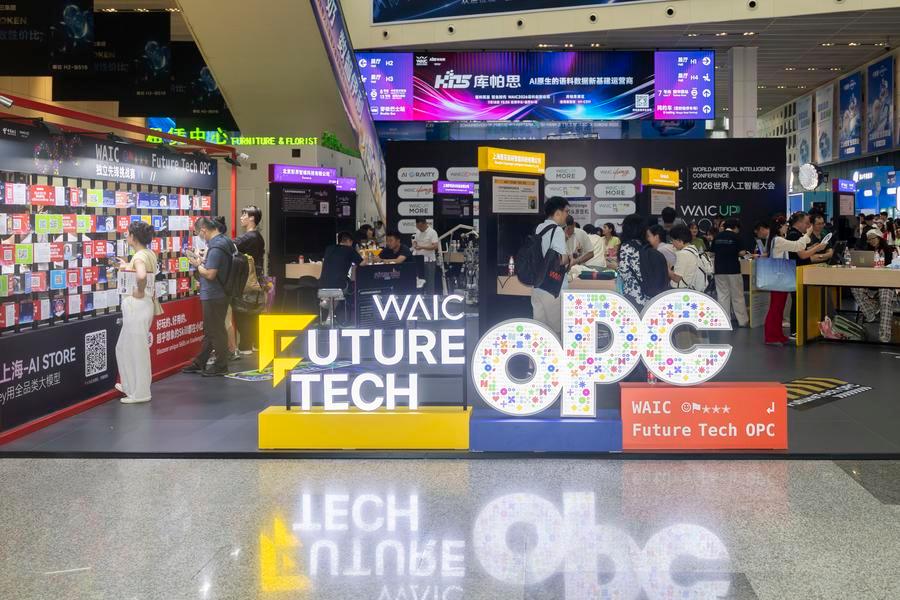
BEIJING, Aug. 8 (Xinhua) -- From household robots to cutting-edge AI models and life-saving drugs, a new series of Chinese technological products is making its mark on the world stage.
Dubbed the "new tech trio," these innovations -- robotics, artificial intelligence, and innovative pharmaceuticals -- are winning over consumers and industries far beyond China's borders.
They follow in the footsteps of a previous version of the "new trio" -- electric vehicles, lithium batteries, and solar products -- which have already become symbols of China's green transformation. Together, the two trios speak volumes about China's evolving innovation landscape: one that is not only reshaping domestic industries, but also contributing to inclusive global growth and human well-being.
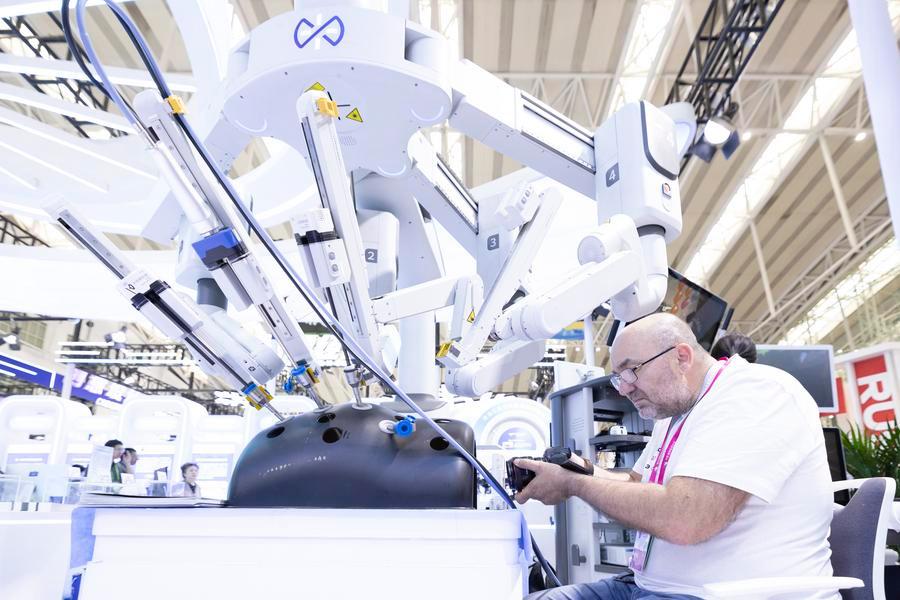
What makes Chinese tech products stand out is a combination of advanced capabilities and real-world affordability. For instance, Chinese-made obstacle-crossing cleaning robots, which drastically cut water consumption and labor costs, are now taking on the once complicated and expensive task of washing high-rise glass facades in markets such as Australia and the Middle East. Chinese-made surgical robots have also grown in popularity, with their export markets more than doubling from a year earlier to reach 49 in the first half of this year.
For AI, China has stood for a vision that is both open and inclusive. Its open-source AI ecosystem is helping bridge the digital divide, particularly for developing countries, thanks to the high cost-effectiveness of its large language models. According to a recent New York Times report, developers in Kenya use Chinese AI models to streamline legal and business services; in Nigeria, they power educational tools; and in Ghana, they support local chatbot development. These are not abstract concepts, but tangible examples of how Chinese AI is enabling economic and social progress across Africa.
In the field of pharmaceuticals, the impact is equally striking. In the first half of 2026 alone, the total value of out-licensing deals involving Chinese innovative drugs reached 110 billion U.S. dollars -- a clear sign that the country's biotech sector is becoming a key contributor to global health.
As Chinese technology becomes more deeply woven into the daily lives of people around the world, and into the sustainable development of emerging economies, its benefits will only continue to grow. The story of this "new tech trio" is not just about products made in China; it's about what China shares with the world.