Staying indoors with windows closed can reduce exposure to wildfire smoke but cannot offer complete protection, while doing so during hot weather may increase the risk of overheating.
LONDON, Aug. 6 (Xinhua) -- Staying indoors with windows closed can reduce exposure to wildfire smoke but cannot offer complete protection, while doing so during hot weather may increase the risk of overheating, according to early findings released Thursday by researchers at the University of Manchester.
The findings highlight a difficult choice facing households when high temperatures and smoke pollution occur at the same time: opening windows can bring relief from the heat but allow polluted outdoor air to enter, while keeping them shut can trap heat indoors.
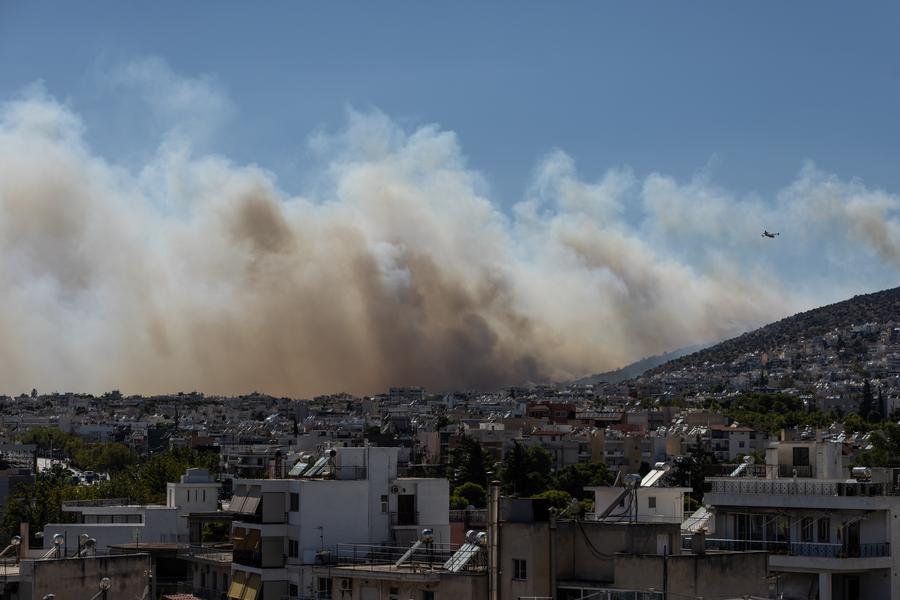
The research team analyzed real-time indoor air-quality records from 23 Greater Manchester homes monitored between July 1 and 26, 2026, during two periods of wildfire activity in the nearby Pennine hills.
Researchers found that outdoor pollution could still make its way into homes even when windows were closed, suggesting that being indoors should not automatically be regarded as complete protection from smoke.
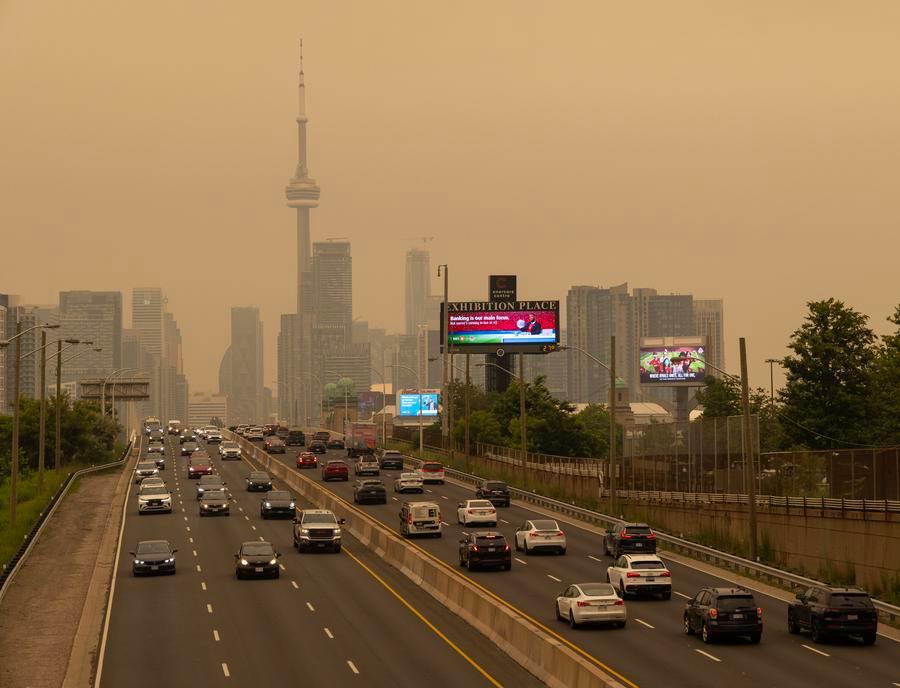
The findings also point to differences between households. The ability to maintain air that is both cool and clean can depend on the condition of a building and whether residents have access to effective cooling, ventilation or air filtration.
Wildfire smoke contains tiny particles and gases that can irritate the lungs and make respiratory conditions such as cystic fibrosis and asthma worse, according to the researchers.
"The findings support advice to close windows while smoke levels are high, but show that this cannot completely prevent smoke infiltration and may increase the risk of overheating," said Dr Thomas Bannan, lead environmental researcher for the Manchester team.
"The challenge is that this advice can be difficult to follow during very hot weather, particularly in homes that are prone to overheating," Dr Bannan said.
"We are now investigating practical measures, including air filtration and approaches to keeping homes cool, so that people - especially those with existing respiratory conditions - have better options during future extreme events such as these," Dr Bannan added. ■