SYDNEY, July 15 (Xinhua) -- China's rapid progress in artificial intelligence, supported by open models, a strong manufacturing base and large-scale application capabilities, could reduce technology costs and allow more countries and people to share the benefits of technological advances, Australian AI scientist Toby Walsh has said.
The 2026 World Artificial Intelligence Conference (WAIC) will be held in Shanghai from July 17 to 20. In an exclusive interview with Xinhua, Walsh, who has attended the conference in previous years, said it showcased the vitality of AI and robotics development in China and beyond, adding that he looked forward to seeing more advances in these fields at this year's event.
Walsh, chief scientist at the UNSW AI Institute, said he had been impressed by China's AI progress over the past 10 to 15 years. By many measures, China has moved to the forefront of global AI development, with some of the world's largest and most capable models now being built in the country, he said.

On DeepSeek and other Chinese large language models, Walsh said China had continued to advance open models, enabling more research institutions, companies and countries to participate in AI development and application.
"I think it's going to be very helpful to see those models being used not just in China, but being used around the world," he said.
Walsh described AI as a general-purpose technology similar to electricity, which should eventually become available to everyone rather than remain concentrated in a small number of large technology companies. Smaller, more specialized models for fields such as agriculture, medicine and education could run on smartphones or personal computers at lower cost, making them easier to use and share worldwide.
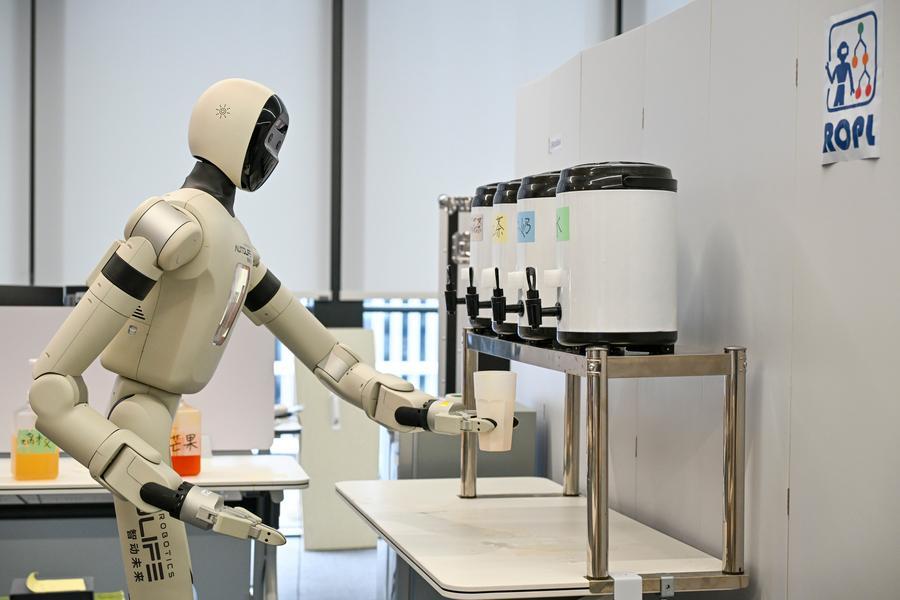
Humanoid robots are another area of particular interest to Walsh. During a recent visit to Beijing, he saw robots playing ping-pong, serving dinners and cleaning rooms, and was impressed by the speed of development and the drop in prices in China's humanoid robotics sector.
"You might have spent hundreds of thousands of dollars to buy a humanoid robot before. Now you're just spending tens of thousands of dollars, and that's going to definitely expand the marketplace," he said.
Walsh said China's manufacturing base, supply chains and large domestic market were all important in lowering production costs and expanding the use of humanoid robots. China was well-placed to build robots not only for its own market and factories, but also for many other countries, he said.
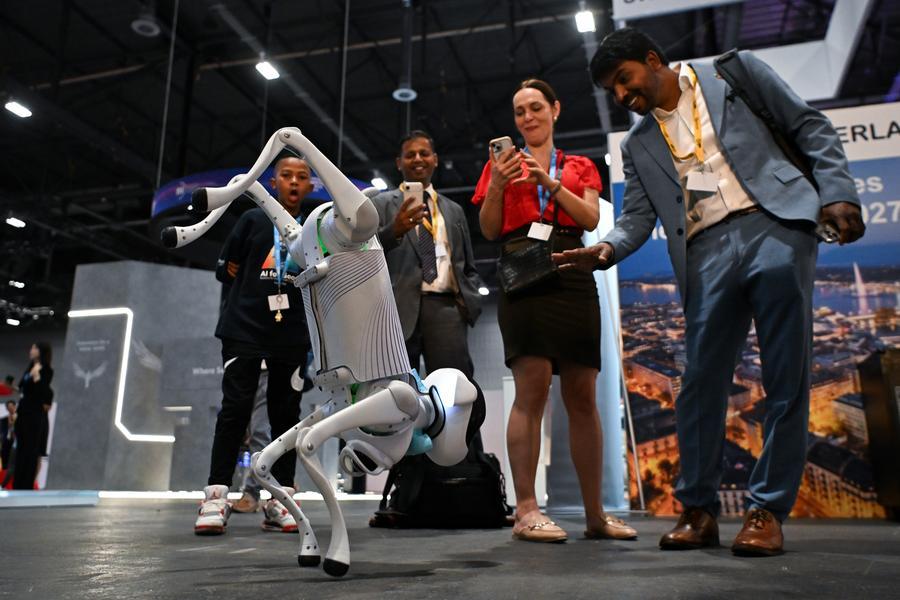
During the interview, Walsh also showed a Chinese-made robot dog used by his team as a research platform. The team is developing its control and autonomous capabilities so that it can navigate and identify people in disaster zones where radio communications may be unreliable.
"We are trying to build the brains for the robots," he said.
Walsh said China and Australia had considerable potential for AI cooperation, including closer exchanges of students and researchers. The two countries could also complement each other in robotics, with China contributing its manufacturing strengths and Australia its AI research capabilities.
Walsh added that countries should seek common solutions to shared challenges and strengthen cooperation on AI safety and standards, helping the technology better serve people in China, Australia and around the world.■