ADEN, Yemen, July 15 (Xinhua) -- A dispute over an Iranian passenger aircraft has escalated into the most serious direct confrontation between Saudi Arabia and Yemen's Houthi group in years, straining the relative calm that has largely held since 2022.
Although military action has remained limited, the episode has exposed the fragility of existing understandings and raised fears that Yemen could again become a major front in a volatile region.
Local experts said the crisis reflects unresolved political disputes, competing claims over sovereignty, and the growing influence of regional tensions involving Iran.
Whether this proves a temporary flare-up or the start of broader confrontation will depend on how both sides balance military pressure with diplomatic restraint, they said.
TRIGGER POINT
The crisis unfolded Monday, when Yemen's internationally recognized government declared it would prevent an Iranian aircraft carrying a senior Houthi delegation, which was returning from funeral ceremonies for Iran's late Supreme Leader Ali Khamenei, from entering Yemeni airspace.
The government said the flight violated Yemen's sovereignty and alleged it could facilitate Iranian military support for the Houthis, an accusation the group denied.
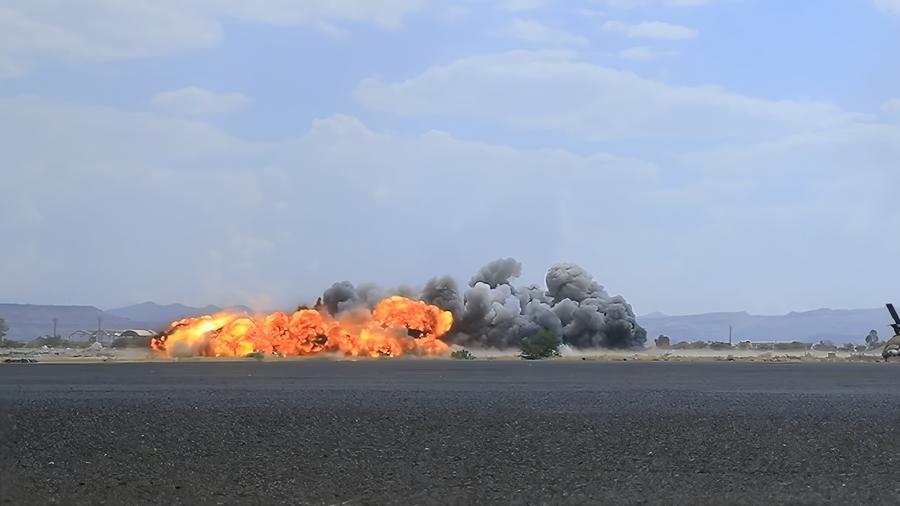
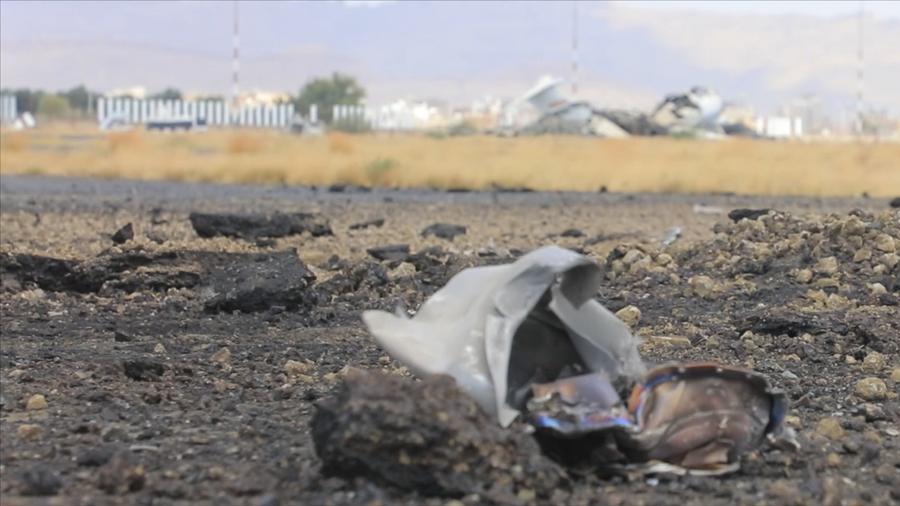
Airstrikes struck the runway at Sanaa International Airport, preventing the aircraft from landing. It subsequently diverted to Hodeidah Airport. The government said it had ordered the operation to prevent the flight from reaching Sanaa, while the Houthis accused Saudi Arabia of carrying out the airstrikes.
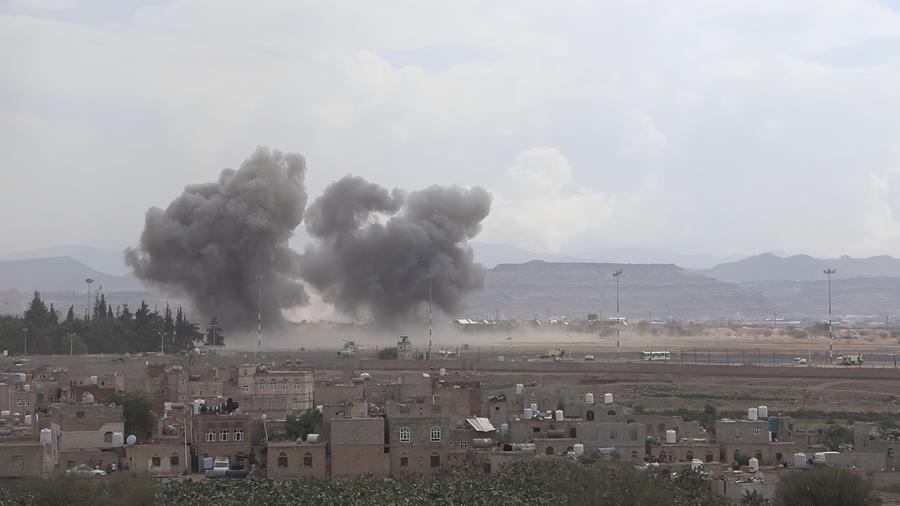
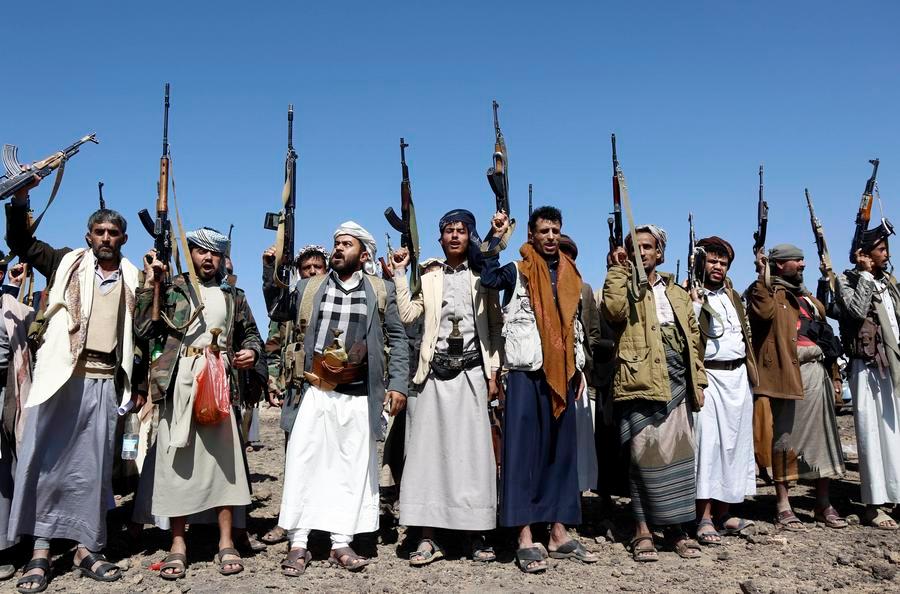
Hours later, the Houthis announced missile and drone attacks targeting Saudi Arabia, including Abha International Airport, as retaliation. Saudi authorities said their air defense systems intercepted the projectiles.
"The issue extended well beyond a civilian flight," Aden-based political analyst Muqbil Naji told Xinhua. "The government viewed it as a matter of sovereignty over Yemen's airspace, while the Houthis saw it as part of what they describe as Saudi efforts to tighten the blockade on areas under their control. Their response was intended to show that such pressure would not go unanswered."
"The objective was not to achieve a decisive military victory," he said. "It was to send a clear message that actions affecting what each side considers its core interests would draw a response."
CRACKS IN THE TRUCE
Yemen has been mired in conflict since late 2014, when the Houthis seized Sanaa, prompting a Saudi-led coalition to intervene the following year in support of the internationally recognized government.
Although a UN-mediated 2022 truce significantly reduced large-scale fighting, it did not produce a comprehensive political settlement. Negotiations have stalled over governance, military integration, economic management and the future structure of the Yemeni state, leaving the security situation vulnerable whenever new crises emerge.
"The relative calm created an opportunity for diplomacy, but it did not address the root causes of the Yemeni conflict," Aden-based military observer Ali bin Hadi told Xinhua. "The latest escalation shows how unresolved political disputes can quickly reignite military confrontation."
Both experts said the escalation cannot be understood without considering the wider regional environment. As tensions involving Iran have intensified, Yemen's conflict has become increasingly intertwined with broader geopolitical competition.
"The airport dispute quickly evolved into a broader contest over sovereignty, regional influence and strategic interests," bin Hadi said. "That is why an issue that initially appeared limited escalated so rapidly and attracted wider regional attention."
Naji said the growing regional dimension has reduced the room for containing local crises. "What might once have remained a localized incident now has the potential to trigger wider regional repercussions."
WHAT LIES AHEAD
Both experts believe the latest exchange does not necessarily signal a return to full-scale war, but it has increased the risk of recurring confrontation.
Naji expects both sides to continue balancing military pressure with political calculations.
"The immediate objective is likely to be maintaining leverage rather than pursuing a decisive military outcome," he said. "That leaves room for diplomacy, but also creates the possibility of further limited retaliation."
Bin Hadi said much will depend on whether both sides choose restraint or respond to each new incident with greater force.
"If the current pattern continues, we could see recurring Houthi missile and drone attacks met by further airstrikes and military operations by the Yemeni government and Saudi Arabia," he said. "Even without a return to full-scale war, such a cycle would increase instability and make a political solution more difficult."
He also warned that "if regional tensions continue to intensify, Yemen risks becoming an increasingly active arena for geopolitical competition," making the conflict harder to contain and reducing opportunities for diplomacy.
Renewed hostilities could heighten security risks around the Bab al-Mandeb Strait, a strategic maritime corridor through which a significant share of global trade passes, the experts noted.
A broader escalation would also complicate UN-led peace efforts and deepen humanitarian challenges in a country already devastated by more than a decade of conflict, they added.■