ANKARA, July 2 (Xinhua) -- Nearly two years after the downfall of former Syrian President Bashar al-Assad, millions of Syrians in Türkiye are still weighing whether to return home or stay in the country where they have rebuilt their lives.
Turkish immigration authorities reported in late June that some 700,000 Syrians have voluntarily returned home since Assad's government fell in December 2024. Yet around 2.2 million Syrians remain in Türkiye, underscoring the difficult choices still facing the vast majority of refugees.
For many, the decision is no longer driven solely by security conditions, but by jobs, education, family ties, and the lives they have established after years in exile.
In a sign that many Syrians are expected to remain, Türkiye's Interior Ministry last week exempted foreigners under temporary protection from the standard work permit requirement, simplifying access to formal jobs.
Analysts say the regulation acknowledges Syrians' growing integration into Türkiye's labor market.
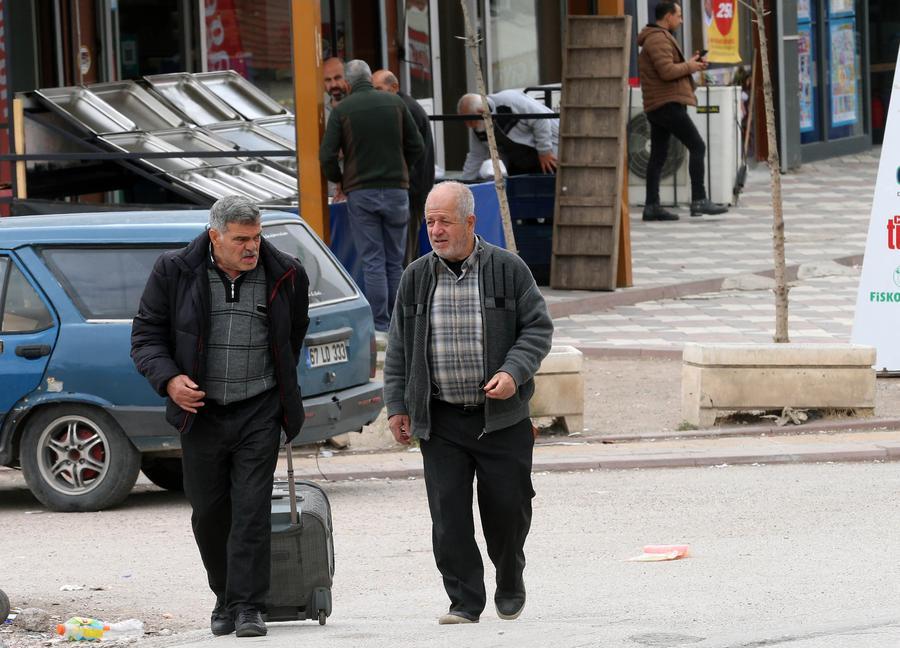
For Ibrahim Mohammed, the 38-year-old who fled Aleppo in 2013 and now works at a furniture workshop in Ankara, the question of return remains deeply personal.
"When we crossed the border, we thought we would return within a few months," Mohammed told Xinhua. "Instead, years passed, our children grew up here, and we built a new life."
He added that easier legal employment would improve life for many, yet "returning to Syria means starting almost from zero."
Ayman Abdi, a construction worker from Syria's northern city of Rakka who has lived in Ankara for more than a decade, shares similar sentiment.
"I have relatives who have already gone back, but I prefer to wait," Abdi said, citing uncertainty over work opportunities in Syria.
Metin Corabatir, head of the Ankara-based Research Center on Asylum and Migration, noted that the work permit exemption benefits both refugees and Türkiye by reducing informal employment and improving labor standards.
Yet Corabatir stressed that return decisions hinge on broader factors: "whether they can find jobs, restore homes, and provide education for their children in Syria."
He added that the return of hundreds of thousands of Syrians has already begun to affect local economies in Turkish border provinces such as Gaziantep and Kilis, where Syrians had become an essential part of both the workforce and the consumer market.
"Some sectors are beginning to experience labor shortages, while businesses serving Syrian communities have seen weaker demand," the expert said.
Despite ongoing returns, Corabatir expects more Syrians to proceed cautiously before deciding whether to go back.
"After more than 13 years of displacement, rebuilding lives cannot happen overnight," he said.
Corabatir's observation captured Mohammed's dilemma.
"Home is home. But returning is not simply about crossing the border. It is about whether my family can build a future there," he said.■