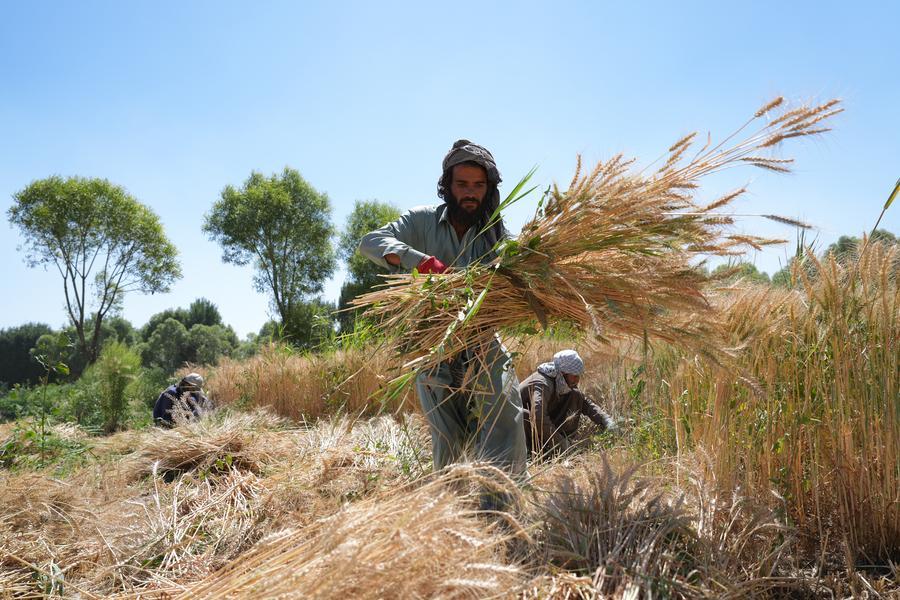
MOHAMMAD AGHA, Afghanistan, June 26 (Xinhua) -- Where purple poppies once fueled the global heroin trade, fields of golden wheat and potatoes now stretch across the landscape in Mohammad Agha district of Afghanistan's eastern Logar province.
Four years after Afghanistan imposed a nationwide ban on poppy cultivation, opium production and drug trafficking, farmers are increasingly replacing illicit crops with wheat, potatoes and other legal produce, seeking not only stable incomes but also a more sustainable future.
For Bashir, a seasonal farmworker supporting a family of ten, the change has brought both employment and peace of mind.
Working his way steadily through a wheat field ready for harvest, he said legal farming benefits both farmers and local communities.
"Growing wheat is much better than growing poppy," Bashir told Xinhua. "It provides a legitimate source of income and creates jobs for local people."
He believes the benefits go beyond economics, saying that "poppy cultivation harms both the land and the people."
Across Mohammad Agha district, similar stories are becoming increasingly common.
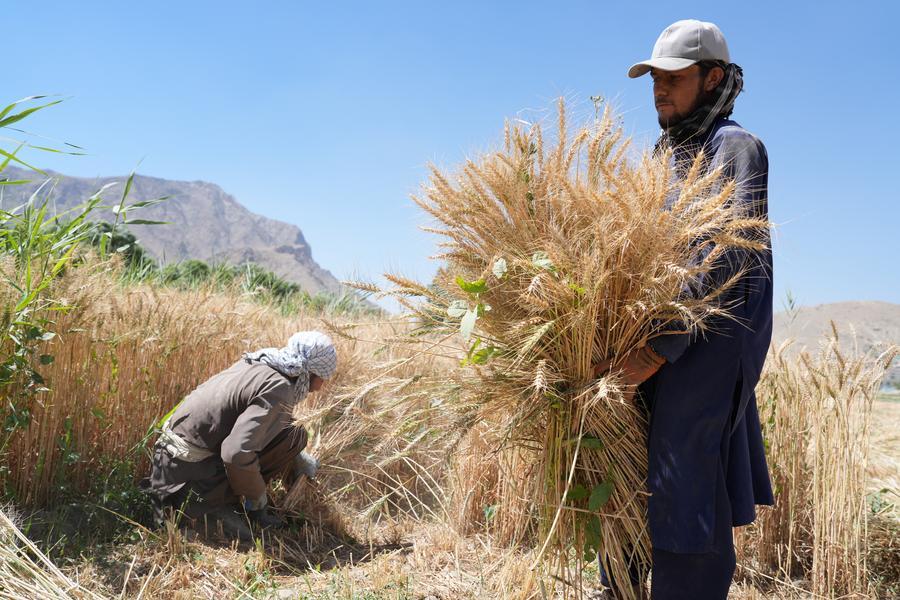
Shabir Ahmad, who farms about 60 acres of land together with his brothers, has completely abandoned poppy cultivation in favor of wheat, potatoes and other legal crops.
He says he has no desire to return to the old way of farming.
"Wheat and potatoes provide us with an honest living," he said. "Poppy cultivation can reduce soil productivity for many years."
During harvest season, his farm employs around 15 daily laborers, providing income for dozens of family members.
Four years after the poppy cultivation ban was introduced in April 2022, many farmers say the transformation has reshaped not only their fields but also their communities.
According to a recent report by the United Nations Office on Drugs and Crime (UNODC), Afghanistan has achieved one of the most significant declines in illicit crop cultivation in recent decades.
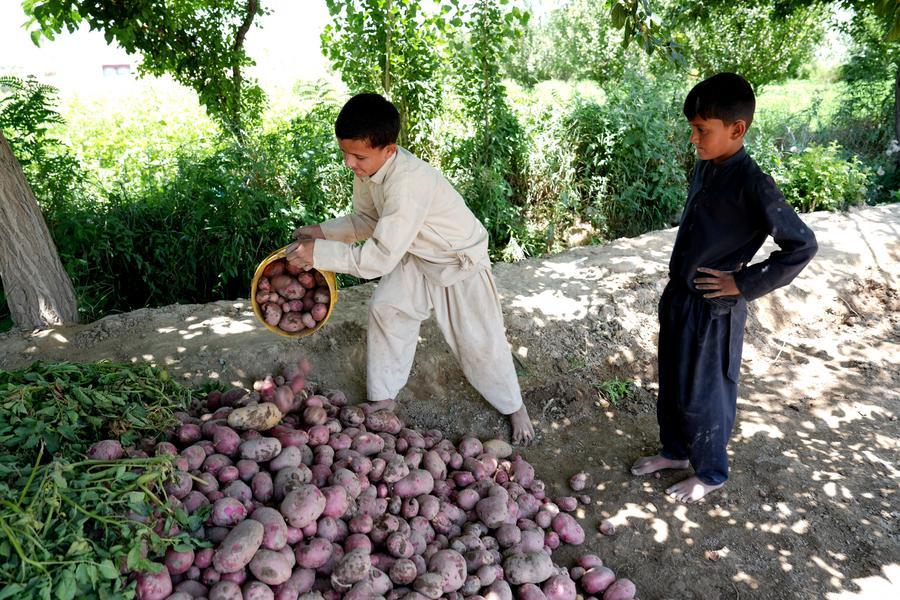
For veteran farmer Allah Mohammad, who has spent more than three decades working the land while supporting a family of ten, the benefits of legal agriculture extend well beyond individual households.
"Legal farming benefits many more people," he said.
"Growing poppy brought limited benefits to local communities, but legal agriculture creates work throughout the entire farming season, from planting and irrigation to harvesting and transportation."
Afghanistan's agricultural transition comes after decades of conflict, during which drug production and addiction expanded. Officials estimate that roughly 4 million Afghans became addicted to narcotics during the two decades preceding the current administration.
For Haji Khwani, the decision to abandon poppy is as much about protecting the next generation as it is about earning a living.
On his six-acre farm alongside the highway linking Kabul with Afghanistan's eastern provinces, he now grows wheat, potatoes, maize and beans.
"If we grow poppy, our children may become exposed to drugs," Khwani told Xinhua. "That would only lead to more addiction in our society."
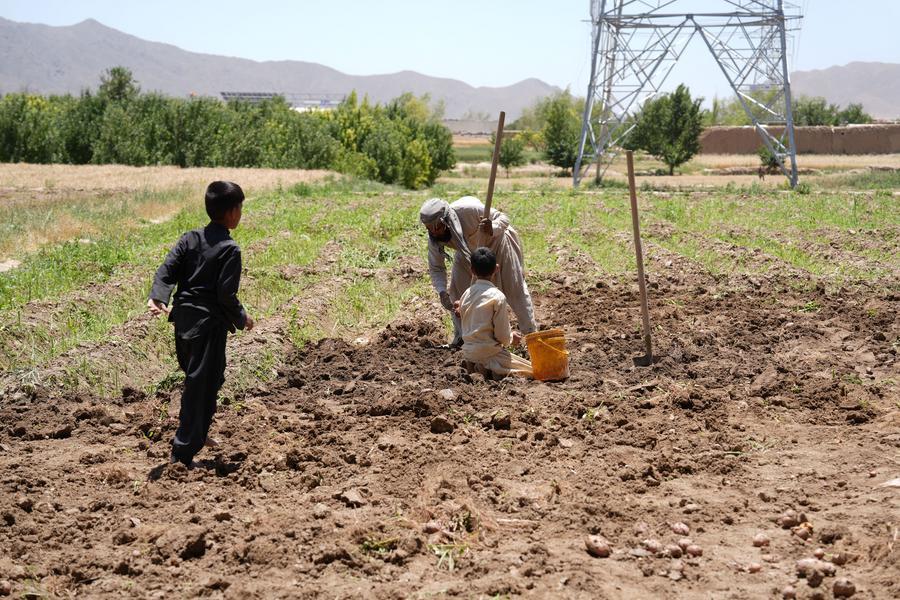
Despite the progress, farmers say sustaining the transition will require continued support.
Many are calling on both the government and international aid organizations to provide chemical fertilizers, certified seeds, modern irrigation systems, water storage facilities and better market access so that legal farming can remain economically viable.
As the world marks the International Day Against Drug Abuse and Illicit Trafficking, Afghanistan's transition from poppy fields to wheat and other alternative crops reflects a broader effort to curb narcotics production while creating sustainable livelihoods for rural communities.
Whether that progress can be sustained, farmers say, will depend not only on continued enforcement of the poppy ban, but also on long-term investment in agriculture, rural infrastructure and market opportunities.■