BEIJING, June 26 (Xinhua) -- Danish pharmaceutical giant Novo Nordisk seeks to further integrate the Chinese market into its global corporate strategy, according to Maziar Mike Doustdar, president and CEO of the company, citing the country's vast market potential, efficiency and a robust innovation ecosystem powered by local talent.
"We need to continue to take China much more into the integration of our corporate strategy, and try to duplicate some of the good things that are happening here for other markets," Doustdar told Xinhua in an interview.
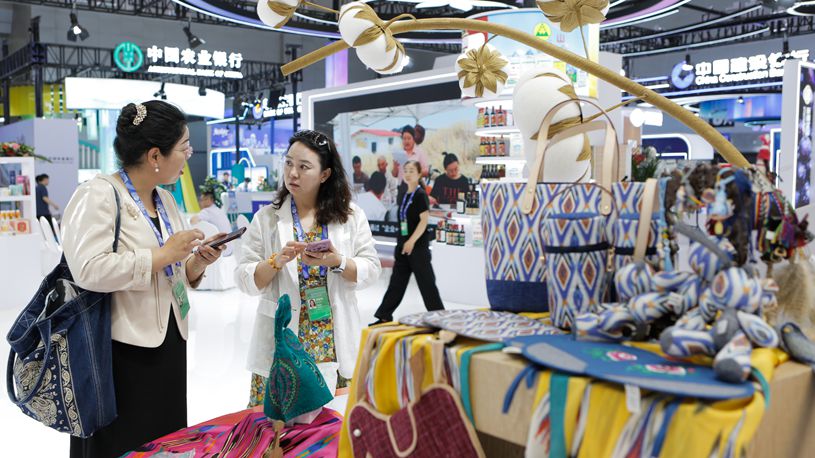
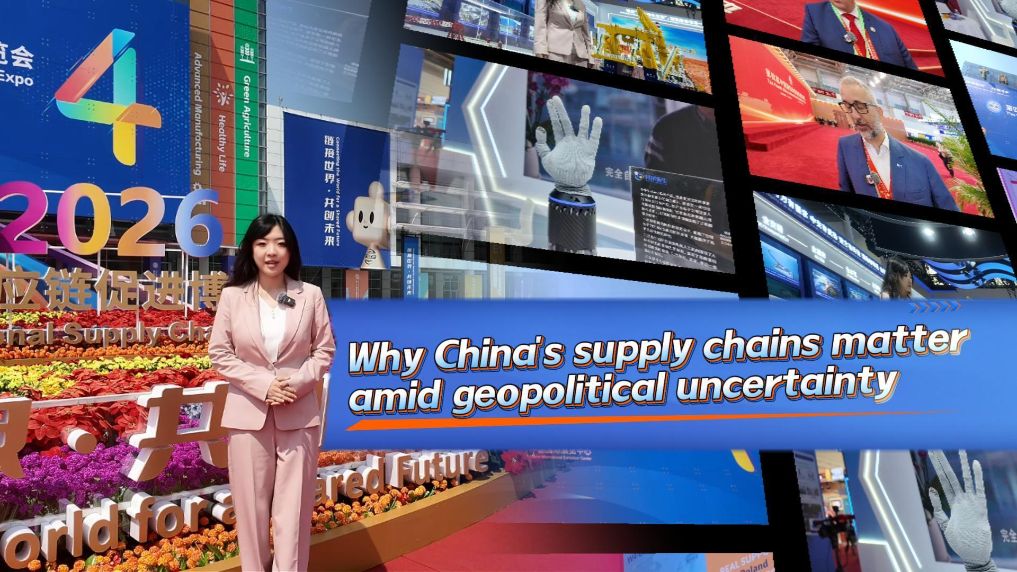
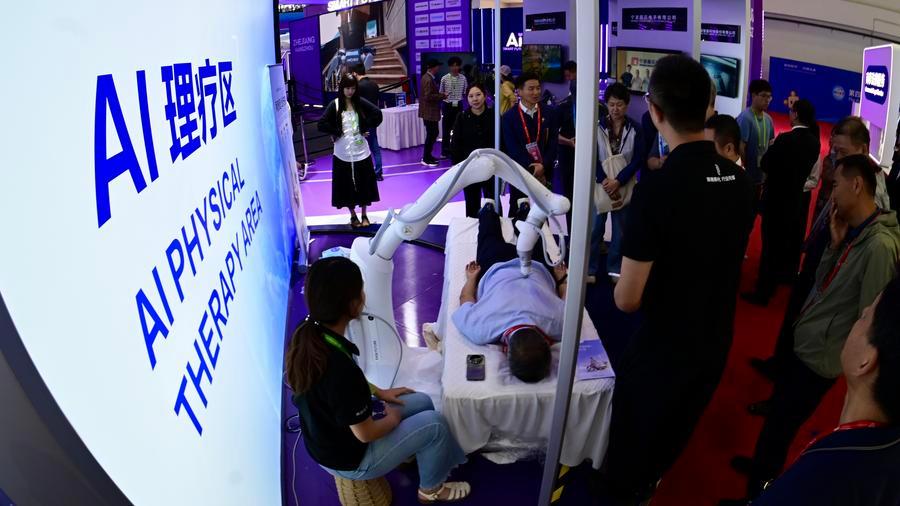
During the fourth China International Supply Chain Expo held in Beijing, the company, which develops innovative biological medicines for diabetes and obesity, showcased its extensive collaborations with local partners across research and development (R&D), production and operations.
Acknowledging the role of open cooperation in driving innovative development of the industrial chain, the company has pledged to meet patient needs and work hand in hand with upstream and downstream partners in China to jointly build a health ecosystem covering disease prevention, diagnosis, treatment and long-term management.
Underscoring the importance of the Chinese market, Novo Nordisk's Kyinsu, the world's first once-weekly basal insulin/GLP-1 RA combination therapy, made its global debut earlier this month in China, the company's second-largest market globally. This came after the drug was approved in China in March 2026.
"This is a really exciting time. It's the first time in our company's history that we have launched a product in China ahead of the U.S. and Europe, and even our home market, Denmark," Doustdar said.
He said the commercial launch of Kyinsu has been facilitated by the efficiency in China.
"My understanding is that, on average, it is now possible to file and bring the products to market in China within a year. That's an extreme speed compared to how things were just years ago," he noted.
As the scale of Novo Nordisk's operations in China continues to expand and the market's importance further grows, more attention, greater investment and deeper integration are expected to follow, according to Doustdar.
He noted that the company is engaging with its Chinese partners on R&D collaboration to leverage the country's great talent pool and the rapid speed.
Since establishing its commercial operations in China in 1994, the Danish pharmaceutical company has continued to deepen its presence, including the establishment of a production site in Tianjin and an R&D center in Beijing.
Last year, the company established the Novo Nordisk China Open Innovation Center in Shanghai, marking a new step in its integration with the local pharmaceutical innovation ecosystem.
"One cannot ignore China and the innovation that is happening," Doustdar noted. ■