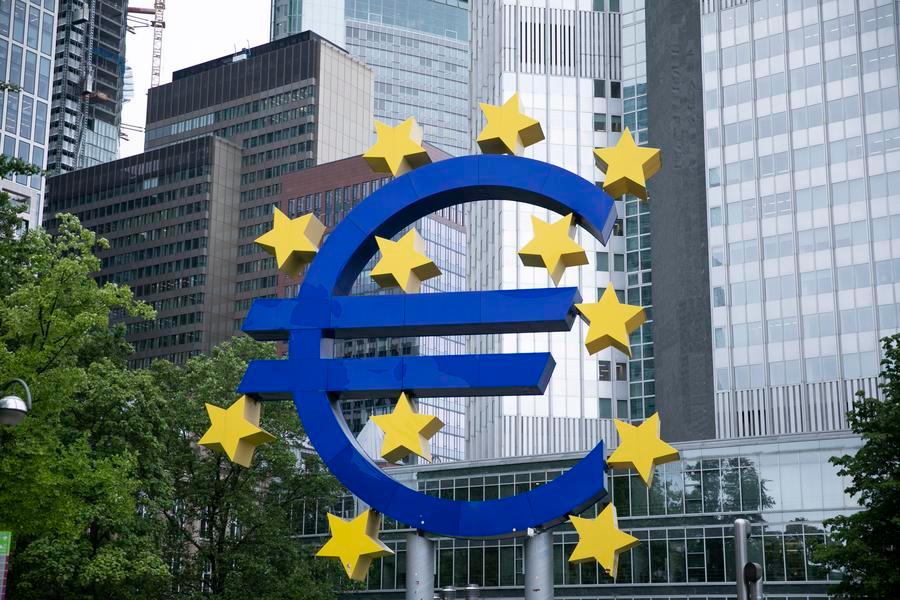
The ECB expects higher energy prices to keep inflation well above target into the first half of 2027. Headline inflation is projected to average 3.0 percent in 2026, 2.3 percent in 2027 and 2.0 percent in 2028.
BRUSSELS, June 23 (Xinhua) -- The Middle East crisis has increased uncertainty and is affecting both inflation and growth in the euro area, a senior European Central Bank (ECB) official said Tuesday.
Speaking at the European Parliament's Committee on Economic and Monetary Affairs in Brussels, Philip Lane, a member of the ECB Executive Board, said the peace agreement in the Middle East was welcome, but the situation remained fragile, with risks of setbacks or renewed escalation.
"The full implications of the war for medium-term inflation and growth will depend on the intensity and duration of the energy price shock, and on the scale of its indirect and second-round effects," Lane said.
According to Lane, the war in the Middle East is weighing on economic activity. Services activity had weakened more visibly than manufacturing, while the support from precautionary inventory accumulation appeared to be fading as new orders stagnated in May.
The labor market remained resilient, with the unemployment rate close to historical low at 6.3 percent in April. But Lane noted that labor demand had cooled further and both firms and households expected the labor market to weaken.
Looking ahead, domestic demand is now expected to be weaker than projected in March, as the war weighs on confidence and higher energy costs reduce real incomes.
The June Eurosystem staff baseline projections foresee real GDP growth of 0.8 percent in 2026, 1.2 percent in 2027 and 1.5 percent in 2028.
On inflation, Lane said headline inflation rose to 3.2 percent in May from 3.0 percent in April. Energy inflation remained high at 10.8 percent year on year, while core inflation increased to 2.6 percent from 2.2 percent.
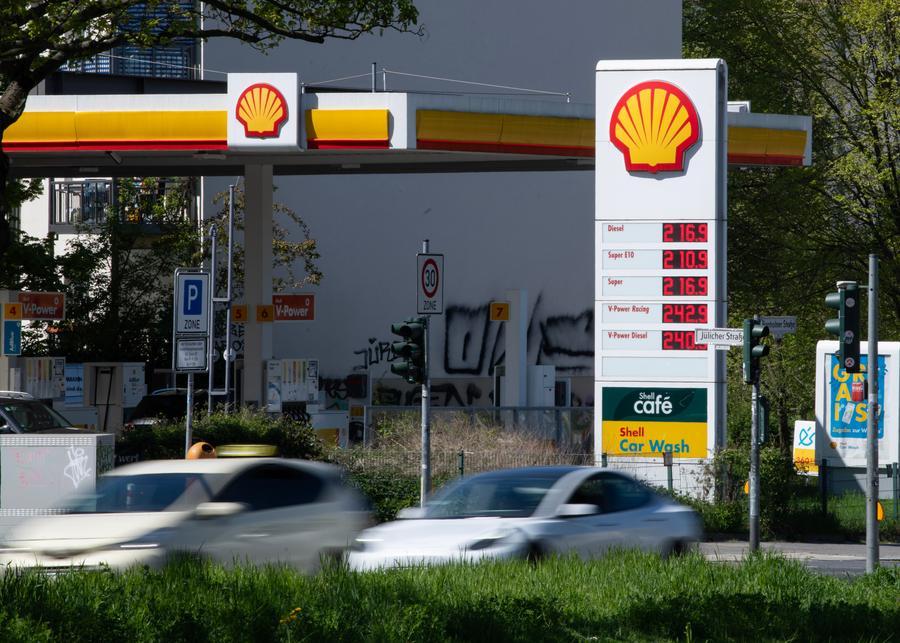
He said a range of forward-looking indicators pointed to inflationary pressures in the coming months, including input prices, import prices, food pipeline pressures, selling price expectations and some supply chain disruptions. In addition, the energy shock has already pushed up some indicators of underlying inflation.
The ECB expects higher energy prices to keep inflation well above target into the first half of 2027. Headline inflation is projected to average 3.0 percent in 2026, 2.3 percent in 2027 and 2.0 percent in 2028.
"The risks to the growth outlook are to the downside while the risks to the inflation outlook are to the upside," Lane said.
Referring to the ECB's monetary policy response, Lane said incoming information about the intensity and duration of the energy shock, as well as the likely persistence of its impact on inflation, suggested that a 25-basis-point policy rate increase in June was appropriate.
He said the ECB Governing Council would continue to follow a data-dependent and meeting-by-meeting approach in determining the appropriate monetary policy stance, and would not pre-commit to a particular rate path.
"Our focus remains clear: to ensure that inflation stabilizes at our 2 percent target in the medium term," Lane said. ■