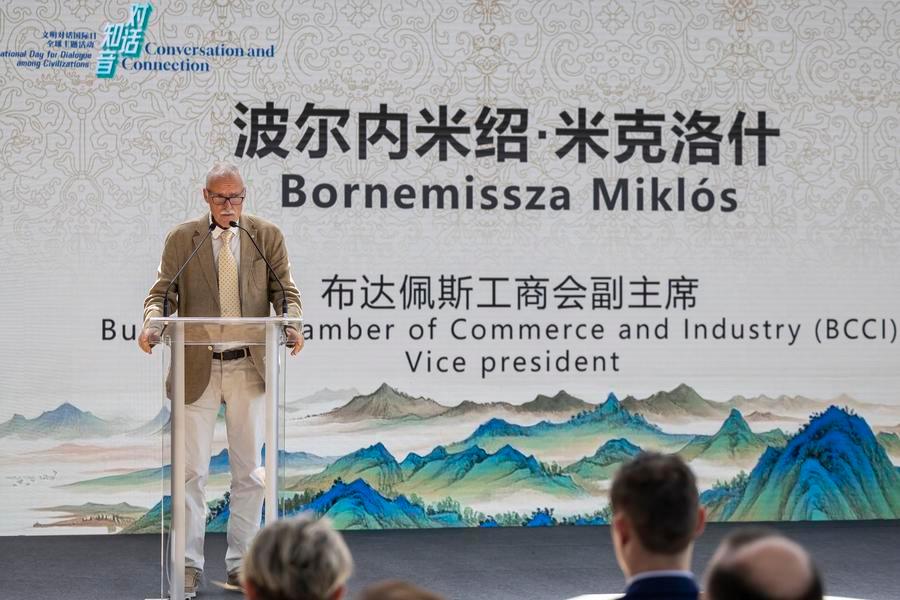
Chinese investment in Hungary has increased significantly in recent years, particularly in the electric vehicle and battery sectors, "contributing to the development of local supply chains," Miklos Bornemissza, vice president of the Budapest Chamber of Commerce and Industry, has said.
BUDAPEST, June 21 (Xinhua) -- Hungary views its cooperation with China as a comprehensive and fast-growing partnership driven by policy alignment, investment, and expanding people-to-people exchanges, Miklos Bornemissza, vice president of the Budapest Chamber of Commerce and Industry, said in a written interview with Xinhua on Sunday.
According to Bornemissza, the steady growth of bilateral trade is driven by a combination of strategic political cooperation and economic complementarity. Hungary plays a bridging role between East and West and actively participates in the Belt and Road Initiative, providing a stable foundation for long-term cooperation.
Infrastructure and investment are key drivers behind this trend, Bornemissza said. "The development of the Budapest-Belgrade railway is expected to strengthen Hungary's position as a regional logistics hub for Chinese goods entering Europe."
Meanwhile, Chinese investment in Hungary has increased significantly in recent years, particularly in the electric vehicle and battery sectors, "contributing to the development of local supply chains."
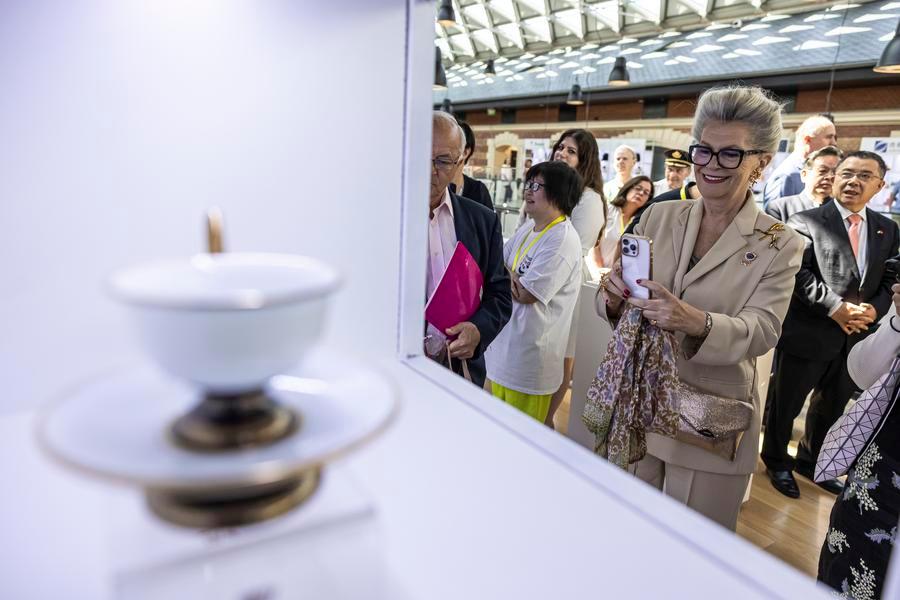
In addition to trade and investment, Bornemissza highlighted growing opportunities in cultural and tourism cooperation between the two sides, as economic ties deepen, cooperation in tourism, education, and cultural industries is also expanding.
He pointed to the importance of improving connectivity and services for Chinese visitors, including expanding direct flights, strengthening targeted marketing, and developing tourism products such as wellness, gastronomy, and heritage tourism. Chinese tourists, he noted, "represent a high-value segment."
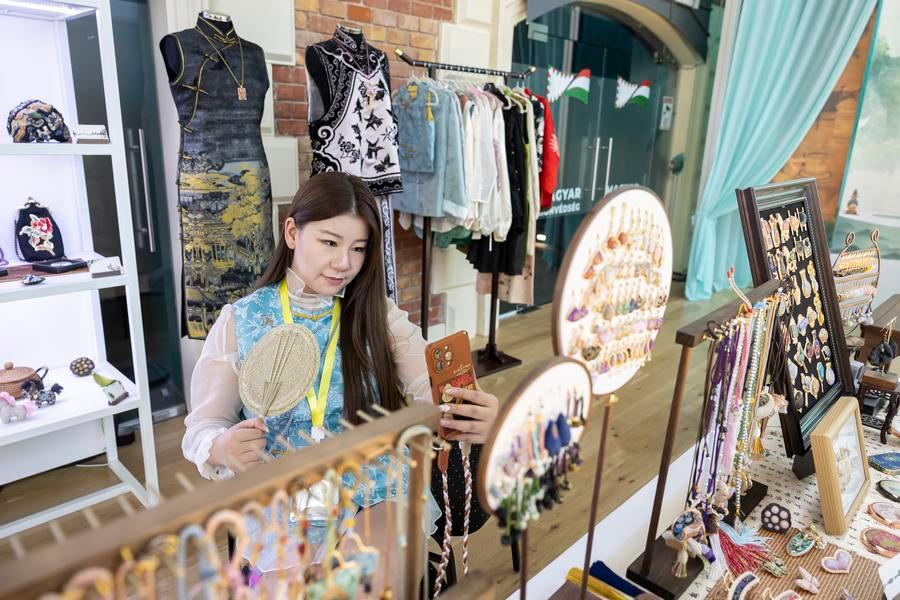
Educational exchanges and cooperation between universities are also contributing to long-term ties, while collaboration in creative industries, including film and digital content, is gaining ground, according to Bornemissza.
He emphasized that the chamber of commerce plays a facilitating role in this process by organizing business forums, supporting cultural and tourism initiatives, and helping companies build partnerships. Efforts are also being made to promote digital solutions and enhance the integration of services tailored to the needs of Chinese consumers.
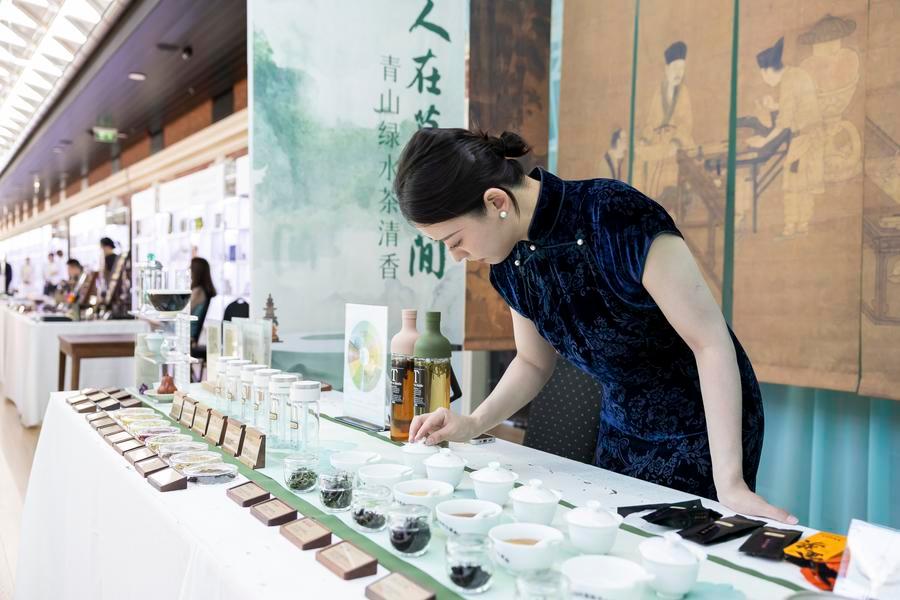
Looking ahead, Bornemissza revealed plans to promote Hungarian products in the Chinese market through a more unified approach to boost Hungary's exports.
He expressed confidence that more Chinese visitors will be attracted to Hungary, as the long-standing cultural ties between the two countries provide a solid foundation for further expanding cooperation. ■