BEIJING, June 14 (Xinhua) -- Chinese President Xi Jinping's commitment to cultural heritage preservation dates back decades.
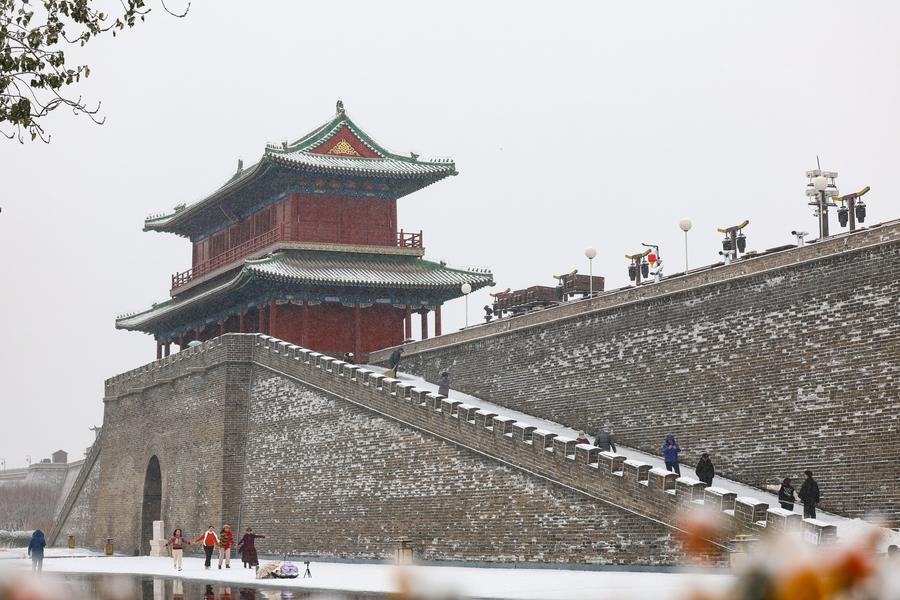
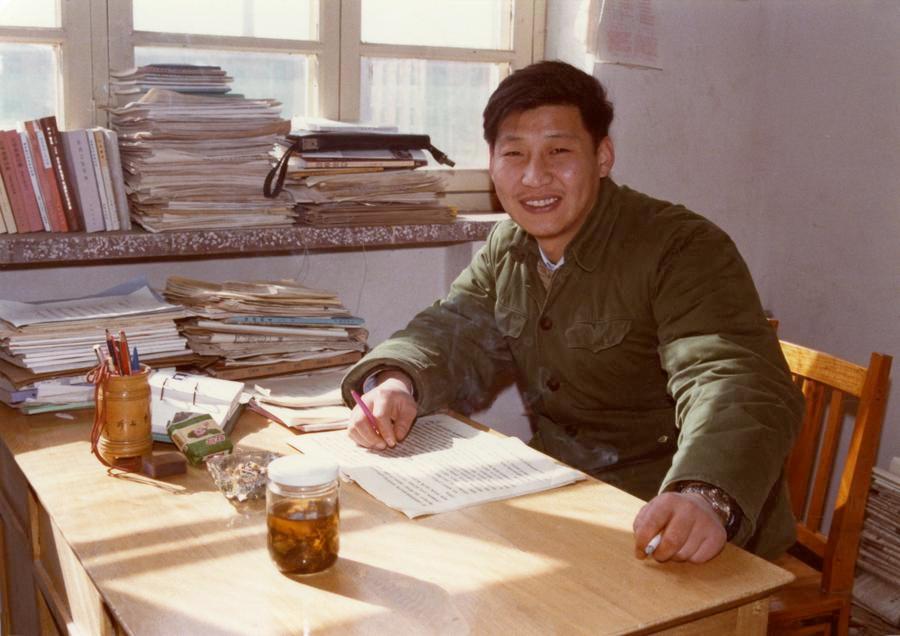
In the early 1980s, while working in Zhengding County in north China's Hebei Province, Xi showed deep interest in the county's rich historical legacy, spending considerable time visiting ancient temples, city walls and stone tablets recorded in local chronicles.
During his tenure in the county, he spearheaded efforts to secure special funds for restoring major historical landmarks, including parts of Longxing Temple, one of China's oldest Buddhist sites.
Years later, Xi brought the same sense of urgency to the protection of Liangzhu, an archaeological site in east China's Zhejiang Province dating back more than 5,300 years.
In the early 2000s, mining operations around the Liangzhu ruins had filled the area with dust and noise. Archaeologists described the scene as resembling "a war zone."
After learning of the situation in 2003, Xi, then Party chief of the province, ordered the mines to be shut down. At a time when cultural preservation was often compromised in the pursuit of economic growth, the decision reflected his determination to protect cultural heritage.
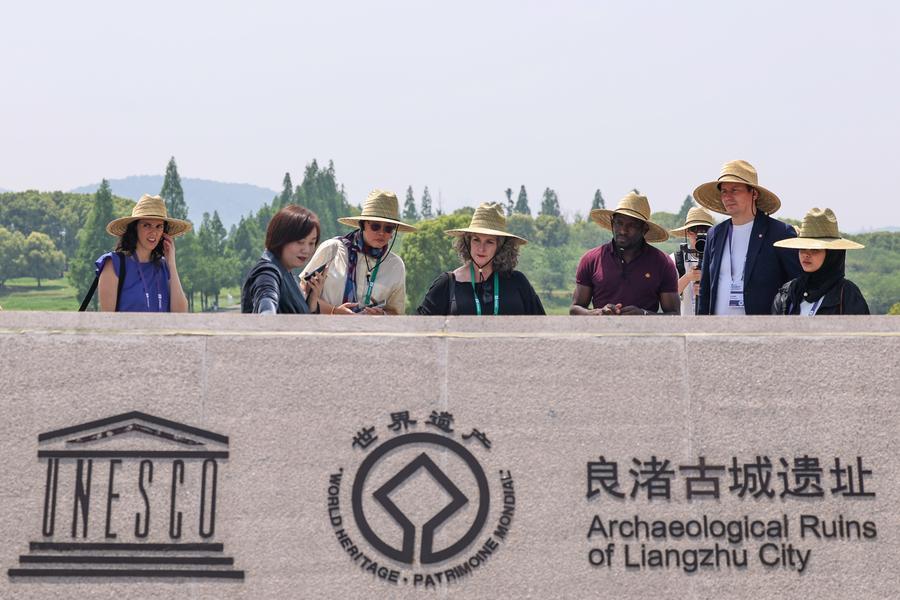
"The Liangzhu archaeological ruins bear testimony to the existence of at least 5,000 years of Chinese civilization," Xi said, calling the site "an invaluable treasure that cannot be replaced."
After leaving the province, Xi remained closely engaged in efforts to preserve Liangzhu. He supported the inscription of Liangzhu, in addition to other heritage sites including the West Lake, the Grand Canal and the Beijing Central Axis, on the UNESCO World Heritage List. He also promoted the establishment of the Liangzhu Forum, a platform for cultural exchanges and mutual learning among civilizations.
Xi's reflections on cultural heritage have often extended beyond preservation itself to the roots and continuity of Chinese civilization. In an article published in Qiushi Journal in 2024, he noted that cultural relics and cultural heritage carry inherent features of the nation and are "nonrenewable and irreplaceable" cultural resources of China.
During a visit to the Yin Ruins in central China's Henan Province in 2022, Xi carefully observed oracle bone inscriptions, bronze ware and other relics dating back more than 3,000 years.
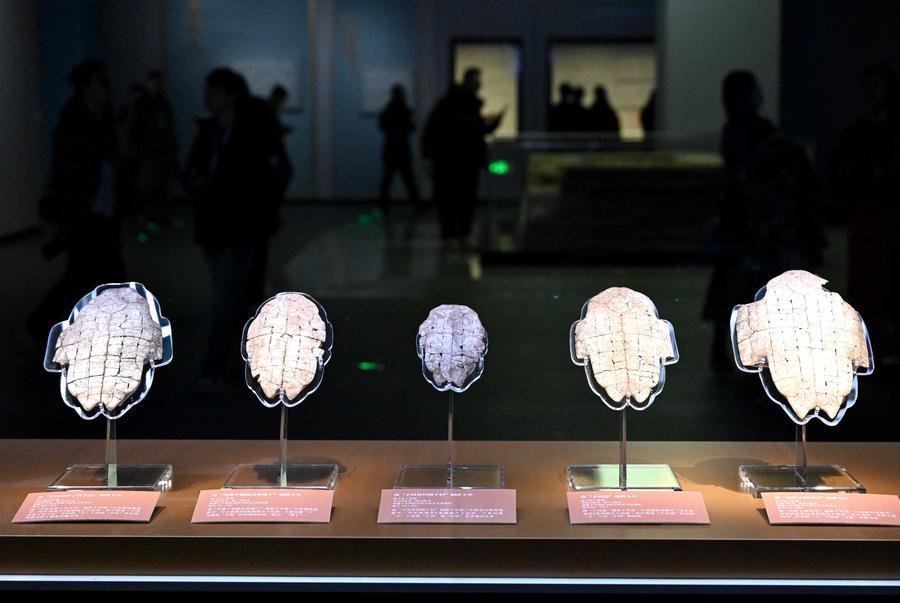
"I have long been yearning to visit here. This time I come here to gain a deeper understanding of Chinese civilization so that we can make the past serve the present, and draw inspiration for better building modern Chinese civilization," he said.
In addition to protecting ancient cities and artifacts, Xi also highly values safeguarding intangible cultural heritage, repeatedly emphasizing that intangible cultural heritage is an important carrier of traditional Chinese culture. Under his vision, China secured the inscription of the Spring Festival on UNESCO's Representative List of the Intangible Cultural Heritage of Humanity in 2024, marking the 44th Chinese cultural element or practice recognized by UNESCO.■