by Misbah Saba Malik
ISLAMABAD, May 28 (Xinhua) -- Pakistan-China relations are a source of stability, confidence, and opportunity in an increasingly uncertain world, Pakistani Minister for Planning, Development, and Special Initiatives Ahsan Iqbal said on Tuesday, describing bilateral ties as a time-tested partnership rooted in trust, mutual respect, and shared development goals.
In an interview with Xinhua, Iqbal said the relationship between Pakistan and China has evolved over the past 75 years beyond a traditional diplomatic partnership into a comprehensive framework for modernization, connectivity, industrialization, and regional prosperity.
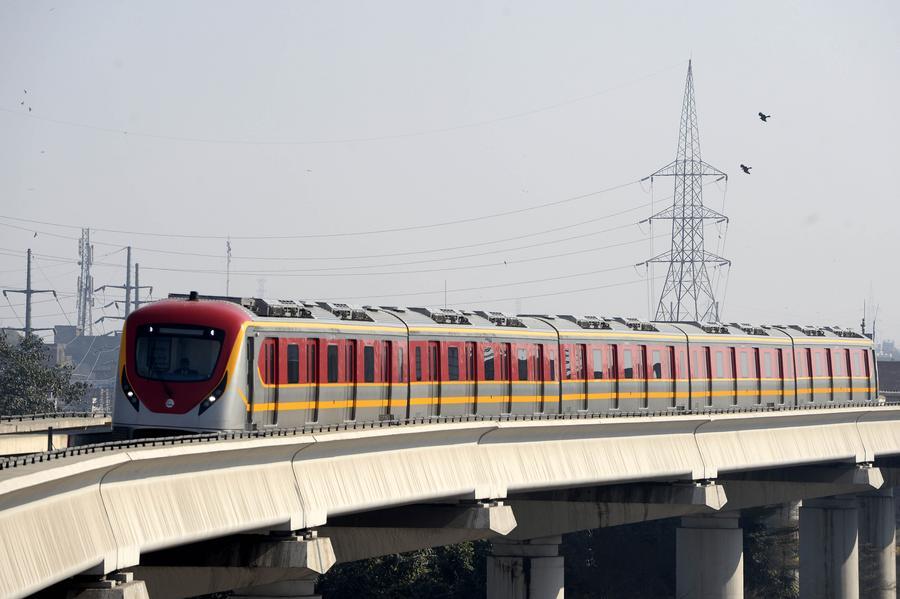
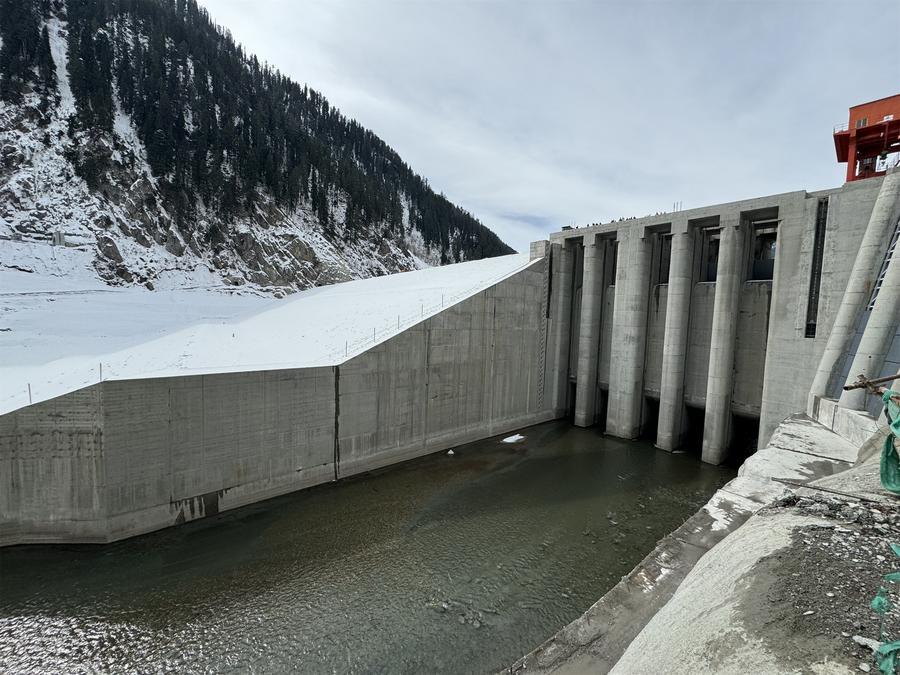
Highlighting the role of the China-Pakistan Economic Corridor (CPEC), the minister said the initiative has translated longstanding political friendship into tangible economic outcomes, supporting Pakistan's infrastructure, energy, digital transformation, agriculture, and human capital development.
He added that Pakistan-China cooperation is not directed against any country but aims to promote peaceful development, regional connectivity, and inclusive prosperity.
"Both countries have consistently supported each other through changing global circumstances, making bilateral ties a model of enduring partnership and cooperation," he said.
Talking about the recent visit of Pakistan's Prime Minister Shehbaz Sharif to China, Iqbal said it is expected to give fresh momentum to CPEC Phase II, shifting focus from basic infrastructure to industrialization, exports, technology transfer, agricultural modernization, and job creation.
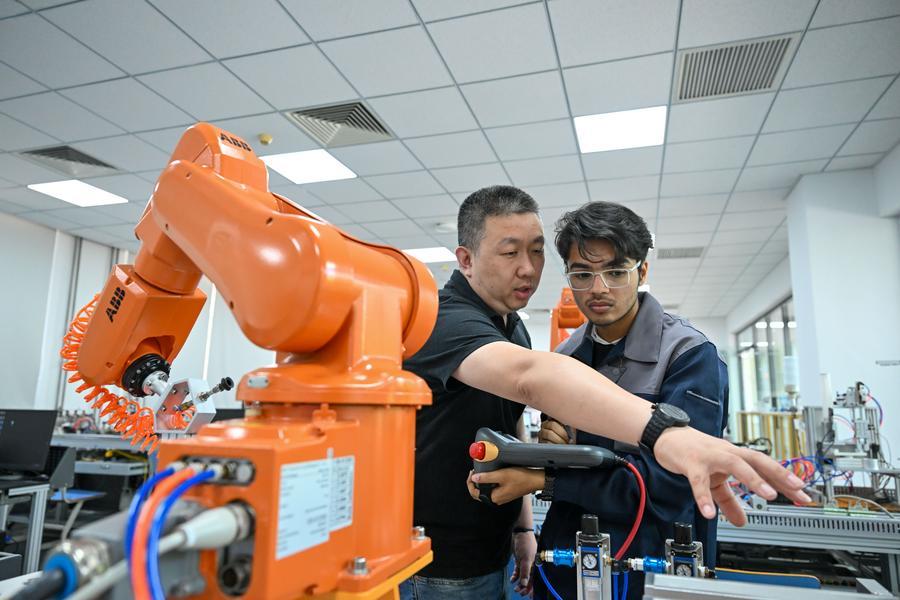
Iqbal said that after addressing Pakistan's energy and connectivity gaps in the first phase, Phase II will prioritize Special Economic Zones, export-oriented manufacturing, IT, renewable energy, mining, agro-processing, and business partnerships. It will also focus on creating employment opportunities for Pakistan's youth through skills development, vocational training, and technology-driven industries.
"By 2035, CPEC should be seen not merely as a corridor, but as a transformative development framework that helped Pakistan convert geography into geo-economics, connectivity into productivity, and cooperation into national development," Iqbal, who also accompanied Sharif on his visit, noted.
The minister said that Pakistan's location at the crossroads of South Asia, Central Asia, Western China, and the Middle East offers a unique opportunity to expand regional economic integration, shifting from transit functions towards value-added activities, including manufacturing, warehousing, processing, and transshipment.
CPEC serves as the framework that transforms Pakistan's geographic location into an economic structure. Pakistan's goal is not only to function as a transit corridor, but to become a value-added regional hub for manufacturing, logistics, warehousing, processing, transshipment, digital connectivity, and energy cooperation.
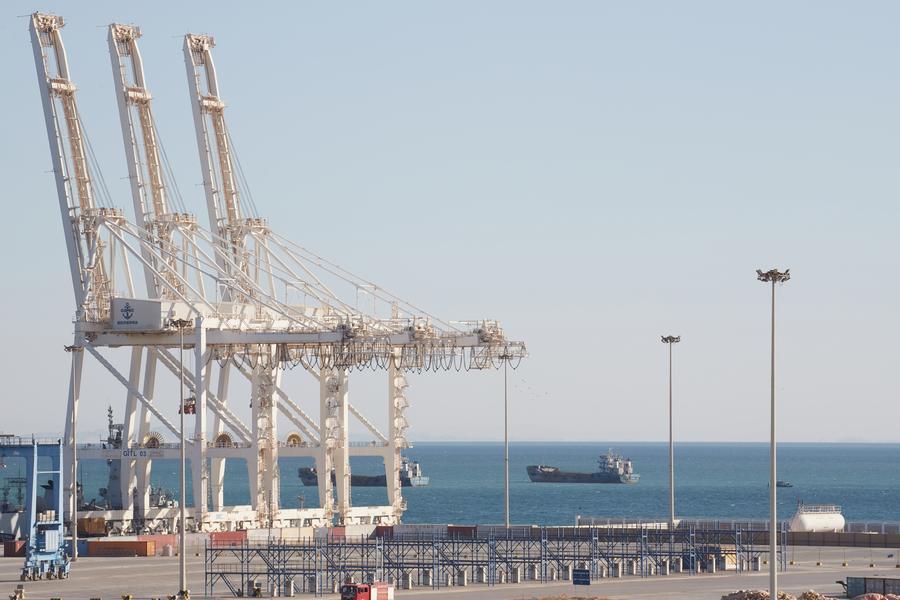
"Gwadar Port, being developed under CPEC, is central to this vision. Located near the Strait of Hormuz, it can become a major transshipment and logistics hub serving Pakistan, China, Central Asia, Afghanistan, Iran, and the Gulf. In a world concerned about supply-chain resilience and maritime chokepoints, Gwadar offers strategic value as an alternative and complementary gateway," he added.
The minister said reforms such as reduced port charges, customs facilitation, warehousing incentives, and free-zone development are being implemented to enhance Gwadar's competitiveness and attract investment.
He said Pakistan sees Gwadar not merely as a port but as a catalyst for regional integration, maritime trade, economic diversification, and national transformation. Recent regional developments have further enhanced the scope and strategic role of Gwadar Port.
Iqbal noted that Pakistan-China cooperation under CPEC continues to serve as a key driver of regional connectivity, economic modernization, and shared prosperity. He emphasized that with sustained reforms, investment, and strategic alignment, the partnership will further strengthen Pakistan's role as a regional hub linking major economic corridors across Asia and beyond.■