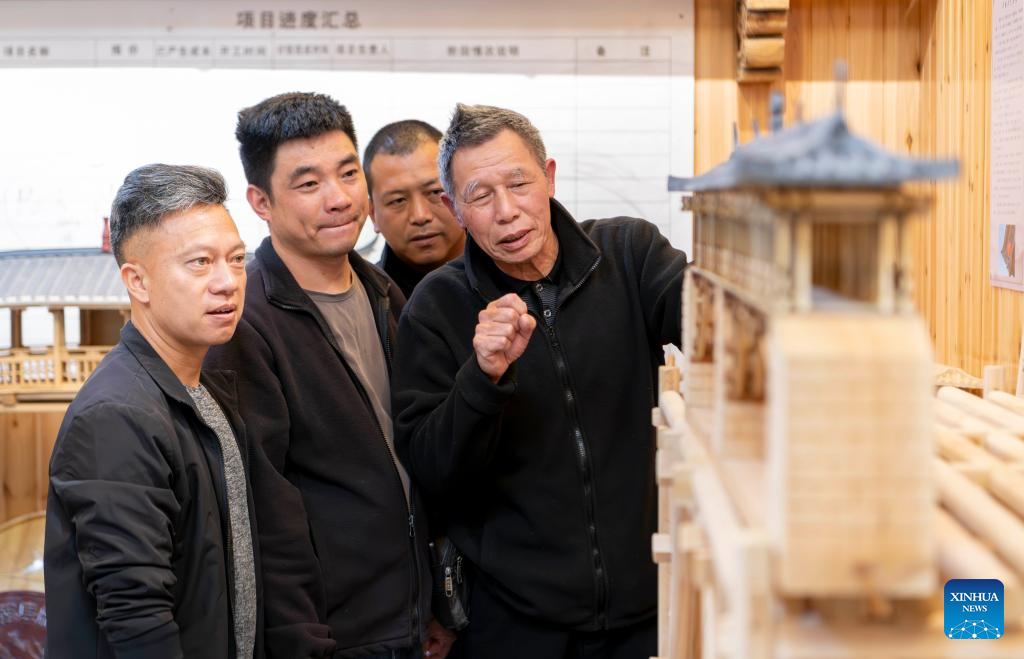
Wu Zongshan, an inheritor of building wooden-roofed arch bridges, introduces the Qifeng Bridge, a contemporary wooden-roofed arch bridge he assisted in building, in southeast China's Fujian Province, May 13, 2026.
The wooden-roofed arch bridge is an ancient and unique structure characterized by a corridor built atop a bridge spanning a river. It reflects the craftsmanship of ancient builders who joined wood into an arch without using nails or metal parts.
Home to 547 this kind of bridge, Fujian has prioritized protection and inheritance. It has adopted innovative measures including cultural relic insurance, intelligent monitoring, and new protective materials for regular inspections and maintenance, with a total investment of 61.03 million yuan (about 8.93 million U.S. dollars).
In December 2024, UNESCO added traditional design and practices for building Chinese wooden arch bridges to its Representative List of the Intangible Cultural Heritage of Humanity. To promote the inheritance and innovative development of ancient wooden roofed arch bridges, Fujian has been actively engaged in the integration of culture and tourism, while training local inheritors of traditional bridge-building skills. (Xinhua/Wei Peiquan)
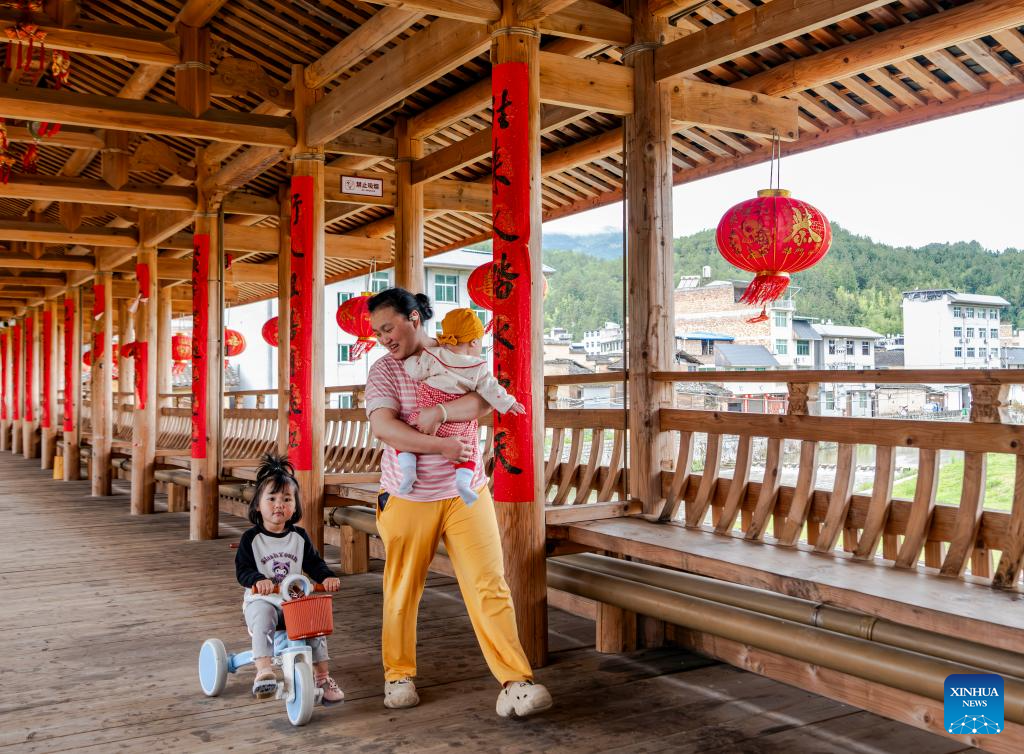
Locals take a rest on Wan'an Bridge in Pingnan County of Ningde City, southeast China's Fujian Province, May 15, 2026.
The wooden-roofed arch bridge is an ancient and unique structure characterized by a corridor built atop a bridge spanning a river. It reflects the craftsmanship of ancient builders who joined wood into an arch without using nails or metal parts.
Home to 547 this kind of bridge, Fujian has prioritized protection and inheritance. It has adopted innovative measures including cultural relic insurance, intelligent monitoring, and new protective materials for regular inspections and maintenance, with a total investment of 61.03 million yuan (about 8.93 million U.S. dollars).
In December 2024, UNESCO added traditional design and practices for building Chinese wooden arch bridges to its Representative List of the Intangible Cultural Heritage of Humanity. To promote the inheritance and innovative development of ancient wooden roofed arch bridges, Fujian has been actively engaged in the integration of culture and tourism, while training local inheritors of traditional bridge-building skills. (Xinhua/Wei Peiquan)

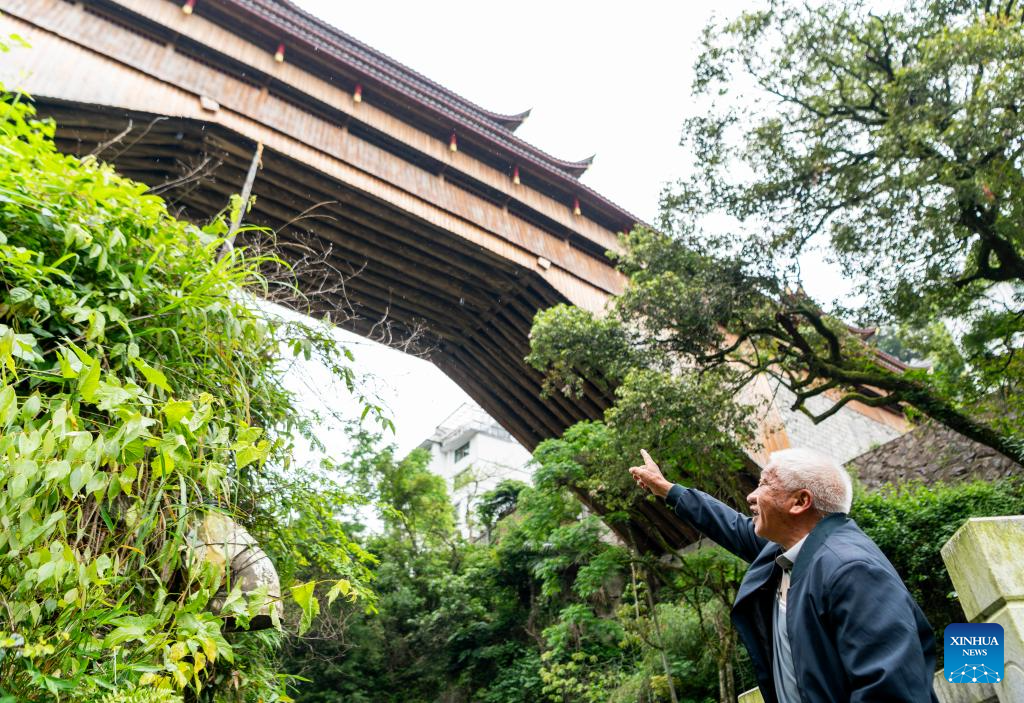
An aerial drone photo taken on May 14, 2026 shows Baixiang Bridge in Pingnan County of Ningde City, southeast China's Fujian Province.
The wooden-roofed arch bridge is an ancient and unique structure characterized by a corridor built atop a bridge spanning a river. It reflects the craftsmanship of ancient builders who joined wood into an arch without using nails or metal parts.
Home to 547 this kind of bridge, Fujian has prioritized protection and inheritance. It has adopted innovative measures including cultural relic insurance, intelligent monitoring, and new protective materials for regular inspections and maintenance, with a total investment of 61.03 million yuan (about 8.93 million U.S. dollars).
In December 2024, UNESCO added traditional design and practices for building Chinese wooden arch bridges to its Representative List of the Intangible Cultural Heritage of Humanity. To promote the inheritance and innovative development of ancient wooden roofed arch bridges, Fujian has been actively engaged in the integration of culture and tourism, while training local inheritors of traditional bridge-building skills. (Xinhua/Wei Peiquan)

Zhuo Jiduan (1st R), an inheritor of building wooden-roofed arch bridges, teaches the construction skills to his students at a training center in Pingnan County of Ningde City, southeast China's Fujian Province, May 14, 2026.
The wooden-roofed arch bridge is an ancient and unique structure characterized by a corridor built atop a bridge spanning a river. It reflects the craftsmanship of ancient builders who joined wood into an arch without using nails or metal parts.
Home to 547 this kind of bridge, Fujian has prioritized protection and inheritance. It has adopted innovative measures including cultural relic insurance, intelligent monitoring, and new protective materials for regular inspections and maintenance, with a total investment of 61.03 million yuan (about 8.93 million U.S. dollars).
In December 2024, UNESCO added traditional design and practices for building Chinese wooden arch bridges to its Representative List of the Intangible Cultural Heritage of Humanity. To promote the inheritance and innovative development of ancient wooden roofed arch bridges, Fujian has been actively engaged in the integration of culture and tourism, while training local inheritors of traditional bridge-building skills. (Xinhua/Wei Peiquan)

This photo taken on May 14, 2026 shows an interior view of Xiangong Bridge in Shouning County of Ningde City, southeast China's Fujian Province.
The wooden-roofed arch bridge is an ancient and unique structure characterized by a corridor built atop a bridge spanning a river. It reflects the craftsmanship of ancient builders who joined wood into an arch without using nails or metal parts.
Home to 547 this kind of bridge, Fujian has prioritized protection and inheritance. It has adopted innovative measures including cultural relic insurance, intelligent monitoring, and new protective materials for regular inspections and maintenance, with a total investment of 61.03 million yuan (about 8.93 million U.S. dollars).
In December 2024, UNESCO added traditional design and practices for building Chinese wooden arch bridges to its Representative List of the Intangible Cultural Heritage of Humanity. To promote the inheritance and innovative development of ancient wooden roofed arch bridges, Fujian has been actively engaged in the integration of culture and tourism, while training local inheritors of traditional bridge-building skills. (Xinhua/Wei Peiquan)

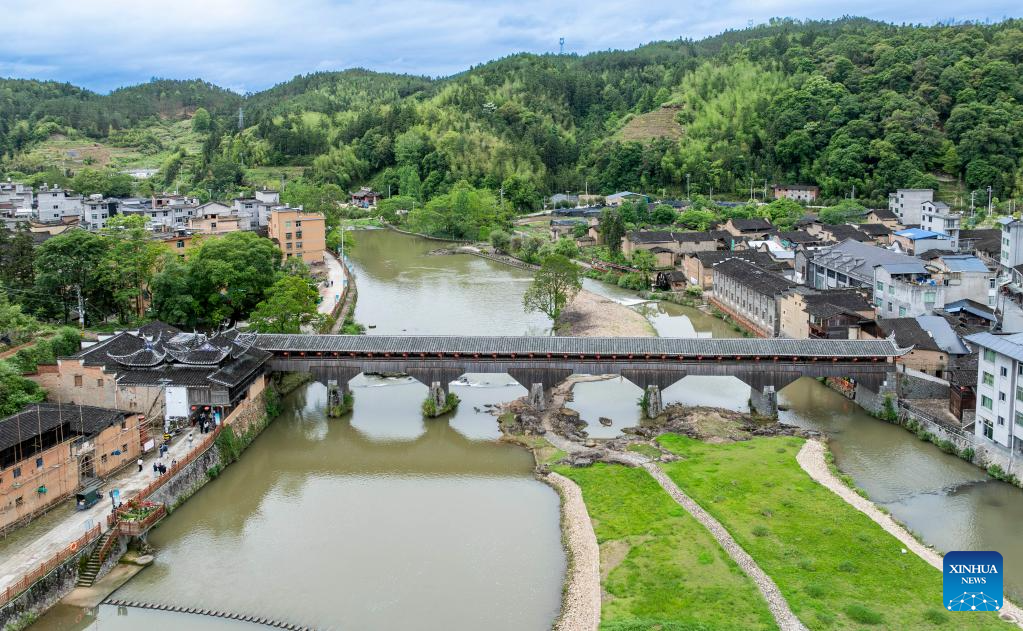
This drone photo taken on May 15, 2026 shows Wan'an Bridge in Pingnan County of Ningde City, southeast China's Fujian Province.
The wooden-roofed arch bridge is an ancient and unique structure characterized by a corridor built atop a bridge spanning a river. It reflects the craftsmanship of ancient builders who joined wood into an arch without using nails or metal parts.
Home to 547 this kind of bridge, Fujian has prioritized protection and inheritance. It has adopted innovative measures including cultural relic insurance, intelligent monitoring, and new protective materials for regular inspections and maintenance, with a total investment of 61.03 million yuan (about 8.93 million U.S. dollars).
In December 2024, UNESCO added traditional design and practices for building Chinese wooden arch bridges to its Representative List of the Intangible Cultural Heritage of Humanity. To promote the inheritance and innovative development of ancient wooden roofed arch bridges, Fujian has been actively engaged in the integration of culture and tourism, while training local inheritors of traditional bridge-building skills. (Xinhua/Wei Peiquan)

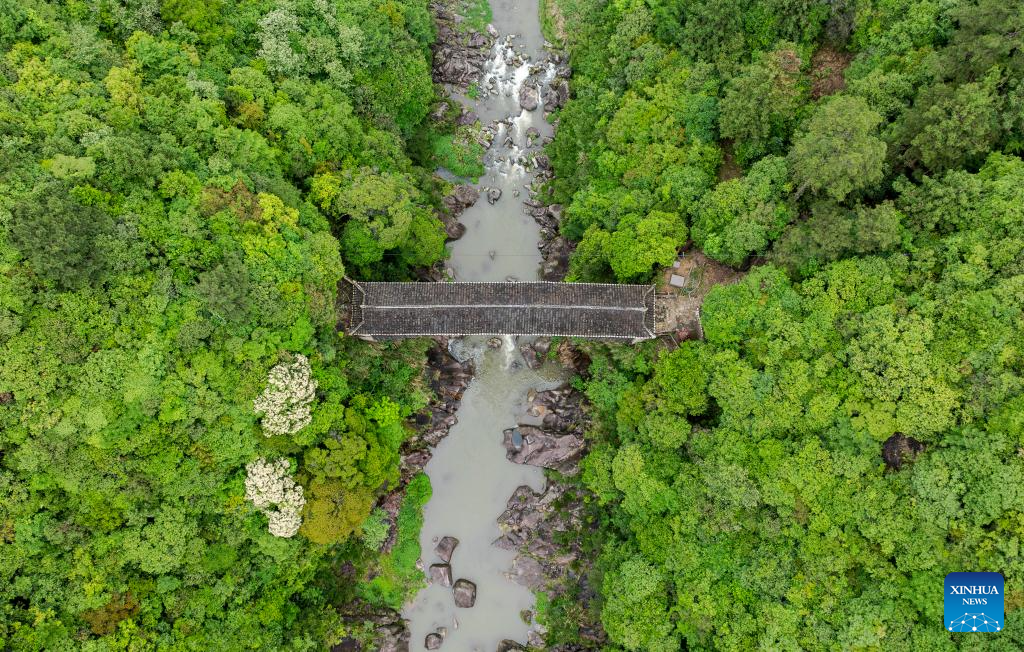
This drone photo taken on May 14, 2026 shows Qiancheng Bridge in Pingnan County of Ningde City, southeast China's Fujian Province.
The wooden-roofed arch bridge is an ancient and unique structure characterized by a corridor built atop a bridge spanning a river. It reflects the craftsmanship of ancient builders who joined wood into an arch without using nails or metal parts.
Home to 547 this kind of bridge, Fujian has prioritized protection and inheritance. It has adopted innovative measures including cultural relic insurance, intelligent monitoring, and new protective materials for regular inspections and maintenance, with a total investment of 61.03 million yuan (about 8.93 million U.S. dollars).
In December 2024, UNESCO added traditional design and practices for building Chinese wooden arch bridges to its Representative List of the Intangible Cultural Heritage of Humanity. To promote the inheritance and innovative development of ancient wooden roofed arch bridges, Fujian has been actively engaged in the integration of culture and tourism, while training local inheritors of traditional bridge-building skills. (Xinhua/Wei Peiquan)