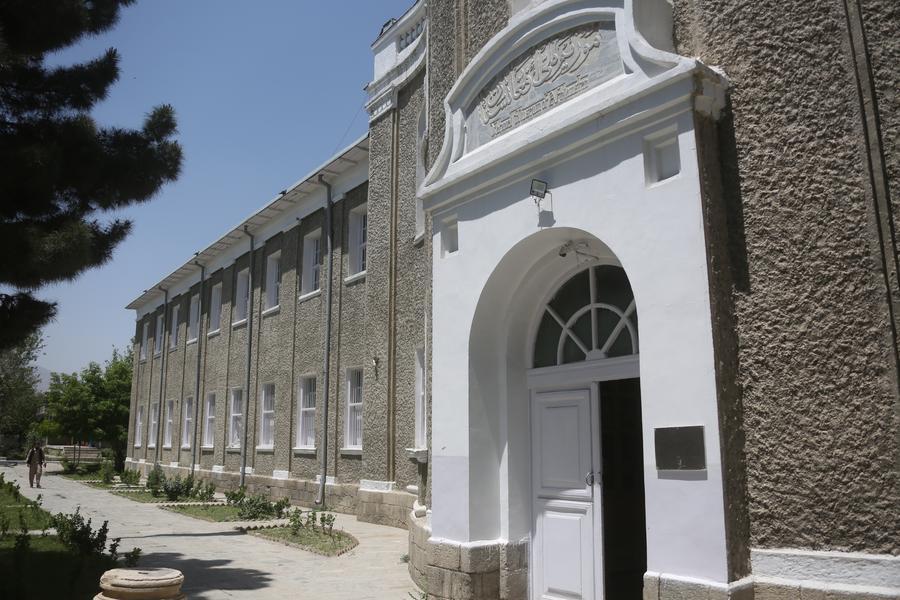
KABUL, May 17 (Xinhua) -- The National Museum of Afghanistan stands as a living sanctuary where the millennia-old history and identity of the Afghan people are intricately woven together. It serves as a steadfast custodian, preserving and transmitting this precious heritage from one generation to the next.
As the world marks International Museum Day on Monday, Afghanistan's premier cultural institution, located on the western edge of Kabul, continues to draw visitors despite decades of conflict, political upheaval and uncertainty.
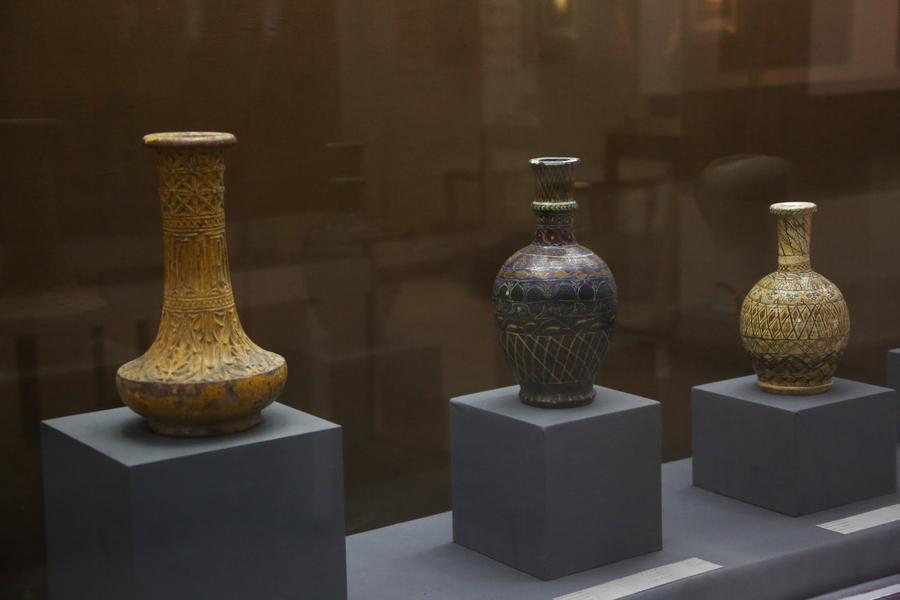
Today, this invaluable institution houses more than 60,000 historical artifacts, embodying a rich tapestry of eras from the Kushan Empire and the intertwined Greek-Buddhist heritage to the Bronze Age, the mighty Achaemenid Empire, the Hellenistic world, the Greco-Bactrian period, and Islamic dynasties.
With priceless artifacts, such as illuminated manuscripts adorned with gold and lapis lazuli, and historical documents, the museum offers a profound narrative of the country's rich civilizations, captivating both locals and international visitors.
According to Yahya Muhibzada, director of the museum's restoration department, the museum welcomed 21,000 visitors over the past year, including approximately 6,750 foreign nationals. "Fortunately, the number of visitors last year increased compared to previous years," he said.
Muhibzada notes that the institution runs regular awareness programs focused on the protection, preservation, safeguarding and maintenance of cultural, historical and artistic artifacts.
For many Afghans, a visit to the museum is more than tourism; it is a deeply personal reconnection with their roots. Tameem Qarizada, a young visitor barely over 20 years old, spent an entire day exploring the halls. He walked through the exhibition galleries, observing historical and artistic treasures with meticulous attention and enthusiastically studying the informative panels to deepen his understanding of his ancestors' legacy.
Qarizada said visiting the National Museum has long been one of his cherished aspirations. He also encouraged his peers to visit, hoping they too could forge a profound connection with their forefathers and gain richer knowledge about the history and glorious past of their nation.
Mayel Aqa Karimi, overseer of the numismatics section in the museum, has devoted more than 20 years to the protection, safeguarding and preservation of these artifacts.
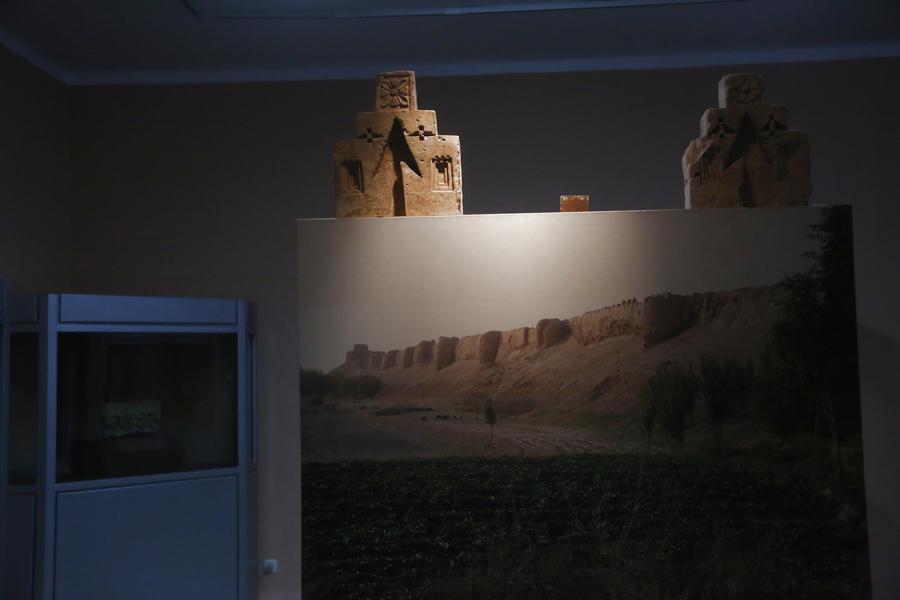
"The value and protection of historical artifacts and cultural heritage is tantamount to the national identity of a country," Karimi told Xinhua. "If we protect our historical assets, in fact, we are protecting our national identity and the history of our ancestors."
The museum's professional and specialized team works tirelessly to restore and revive pieces that have survived decades of conflict, political instability and cultural neglect. "Our conservators protect and restore artifacts that have been damaged," Karimi added.
Afghan authorities are intensifying efforts to protect the nation's irreplaceable cultural legacy from looting and illicit trafficking. Over the past year, Afghan police successfully prevented the smuggling of 142 priceless historical and cultural artifacts abroad.
Official data showed that more than 5,290 cultural relics have been transferred to the museum over the past five years, while over 3,430 artifacts have undergone restoration and repair.
In a world where cultural heritage is increasingly vulnerable, the National Museum of Afghanistan stands not only as a repository of the past but as a beacon of resilience, identity and hope, reminding both Afghans and the international community of the enduring power of shared human history.■