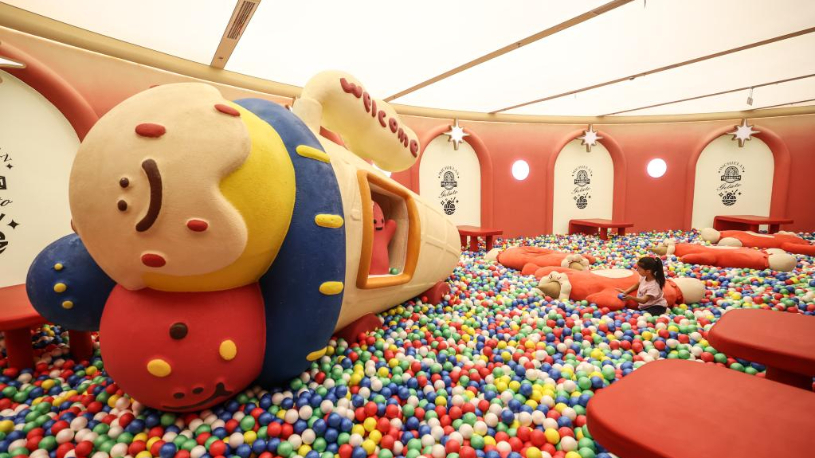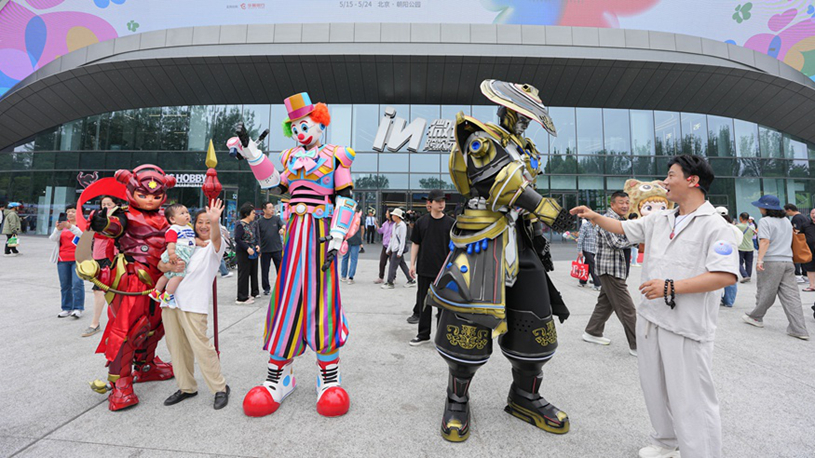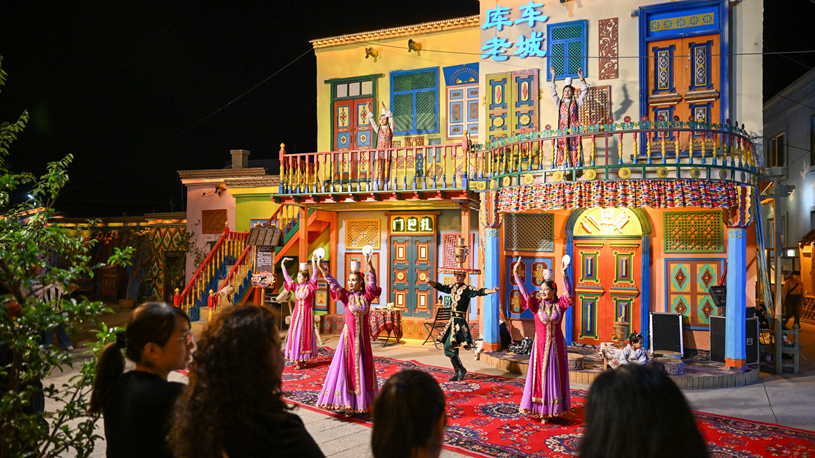
TAIYUAN, May 16 (Xinhua) -- Strolling through centuries-old streets, dressing in traditional Hanfu attire, and crafting personalized handicrafts via intangible cultural heritage techniques -- these are activities being enjoyed by an increasing number of people as the summer tourism peak approaches, with immersive cultural travel projects gaining steam among travelers across China, unlocking renewed experiences and consumption potential.
In the ancient city of Datong in north China's Shanxi Province, stores offering handicrafts and other interactive experiences line the streets, as neatly displayed paper-cutting and copper rubbing artworks attract visitors laying hands on their own creations after browsing the exhibits.
"Copper rubbing is a unique intangible cultural heritage crafting project in Datong. It is highly interactive and allows tourists to immerse themselves in the charm of traditional culture," said Li Qing, head of an experience workshop.
This summer, Li is welcoming a surge in family customers. Parents often choose patterns symbolizing academic success for their children, while couples prefer romance-themed designs, she revealed.
"Beyond the finished products, I find visitors especially enjoy the tinkering crafting experience," she added.
Experiencing traditional handicrafts in such an ancient setting offers a strong sense of immersion and enjoyment, said tourist Wang Xin, while holding a tiny hammer.
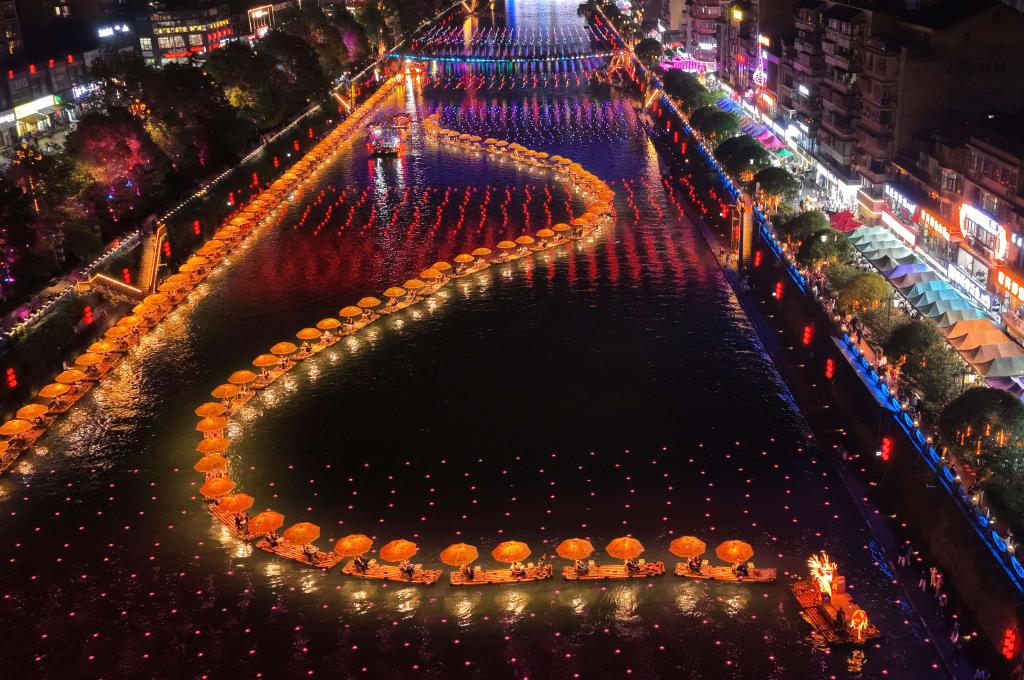
The glamor of immersive travel has gone well beyond handicrafts. Over 1,200 kilometers away from Datong, an interactive traditional opera show has garnered a growing Gen-Z audience in Wuhan, capital of central China's Hubei Province, with audience members joining the protagonists in experiencing a time-enduring romantic story.
"We are introducing classic Chu Opera to the world of younger generations with more vivid and interactive performances, and the renewed interpretation is proving popular," said Xiong Li, a director of the show, adding that the performances were unveiled at Wuhan's major cultural tourism attraction, Baoyuanli, and had boosted the city's May Day holiday fever.
During this recent May Day holiday, China's tourism market saw a notable shift from quick sightseeing trips to in-depth, experience-oriented travel, which has become an emerging engine of the booming experience economy.
According to data from China's Ministry of Commerce, the number of cross-provincial travelers on major platforms during the holiday rose 7.6 percent year on year, while spending on performances increased by 17.6 percent.
Dai Bin, president of China Tourism Academy, said tourists' demands are shifting from functional value to emotional value, while the integrated development of culture, commerce, sports and tourism is creating future-oriented comprehensive consumption experiences.
Such a trend demonstrates that the essence and future of tourism lies in the experience economy, he said.
A tourism green paper released at the end of 2025 noted that China's tourism industry is reshaping consumption boundaries with experience at its core, cultivating niche markets driven by diversified demands and optimizing the industrial chain via service-oriented development.
The Ministry of Culture and Tourism has pledged support for innovative consumption scenarios like immersive performances and intangible cultural heritage experiences this year, aiming to promote further integration of cultural products and tourism experiences.
The core of the experience economy lies in creating scenarios that evoke emotions and spiritual resonance, thereby generating economic momentum, said Jin Zhun, secretary-general of the Tourism Research Center of the Chinese Academy of Social Sciences.
"The same ancient city wall can generate completely different experiential value through creative exploration," Jin explained. ■