
by Xinhua writer Yuan Quan
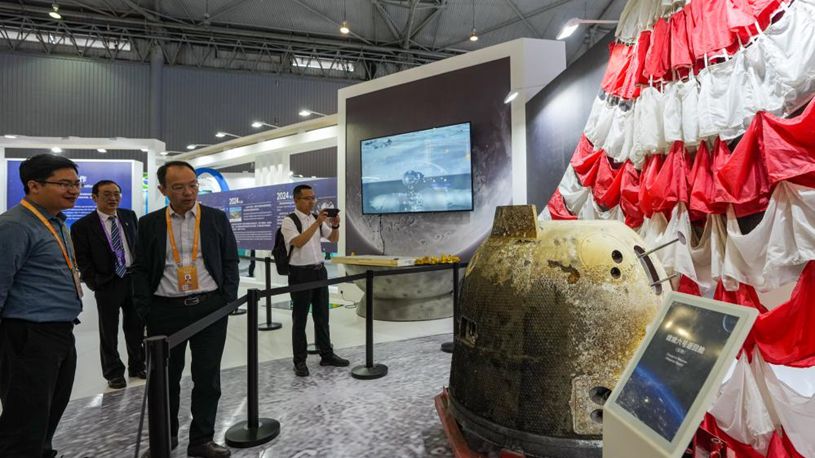
BEIJING, April 27 (Xinhua) -- This year's National Intellectual Property (IP) Publicity Week was packed with forums, press conferences and lively public activities, but what struck me most was a corner of an IP exhibition hall.
A display board introduced the patent histories of different countries. Switzerland's first patent, granted in 1888, was for a clockwork movement. Next to it was China's first patent, a color display device designed to help analyze satellite images, approved in 1985 -- nearly a century later.
The docent said the applicant at that time had queued overnight outside China's patent office to submit his application, drawing murmurs of amazement from many visitors around me.
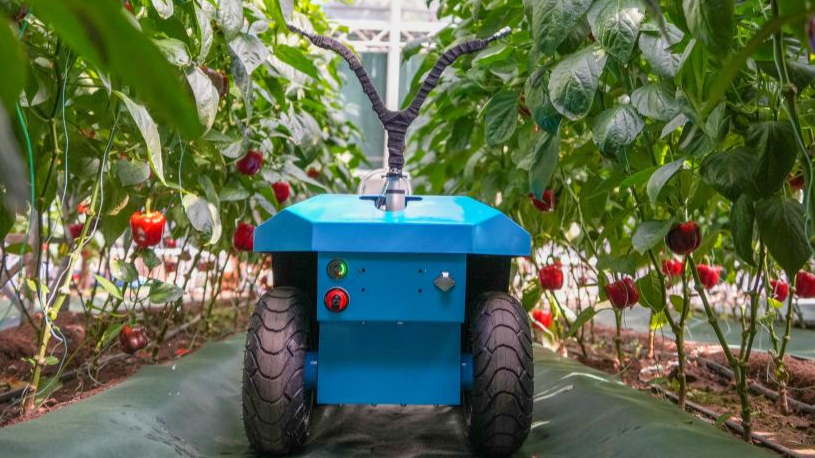
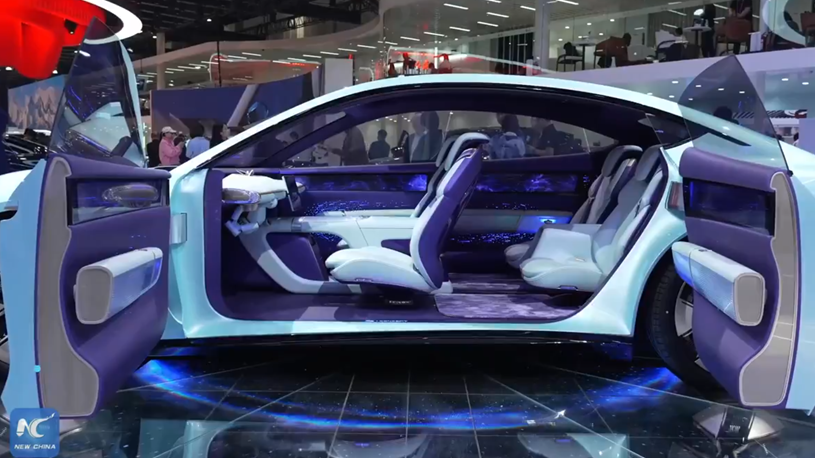
But what truly drew "oohs" and "aahs" were the homegrown cutting-edge patented inventions on display: a Mars rover model, an AI-assisted instant translation machine, a virtual touch screen, anti-cancer drugs, and more.
Although China started later than many developed countries, its patent system now sets its sights firmly on the world's most cutting-edge innovations.

According to the World Intellectual Property Organization, the global innovation landscape is shifting to the Asia-Pacific, and China is a core driving force behind this change. The country holds about 60 percent of the world's AI patents, roughly two-thirds of robotics-related patents, and it has led the world in green and low-carbon technology patent applications for many years running.
These IP accomplishments reflect the country's national priorities. China's latest five-year plan (2026-2030) explicitly states it will nurture emerging and future industries, such as next-generation information technology, AI and biomedicine, to foster new growth engines. Moreover, "improving IP protection in emerging fields" has been written into the government work report.
China's commitment to IP is, at heart, a commitment to innovation itself. In 1992, IP negotiations between China and the United States dominated headlines, as the country came under intense pressure over the fight against infringement and counterfeiting. But it was also a period when public awareness of intellectual property was just beginning to take shape in China. Seminars, presentations and training programs on IP were organized across the country to build understanding and awareness.
In 2008, China amended its Patent Law to include "enhancing innovation capability" as a legal objective. It marked a clear shift from merely following international standards to independently improving its own systems. The revision added provisions mainly targeted at low patent quality, low infringement costs and patent rights abuse.
Enterprises, as key drivers of innovation, have also undergone a transformation. Gone are the days when Chinese companies relied solely on cost competitiveness; today, they are winning over global consumers with advanced technologies and forward-looking designs.
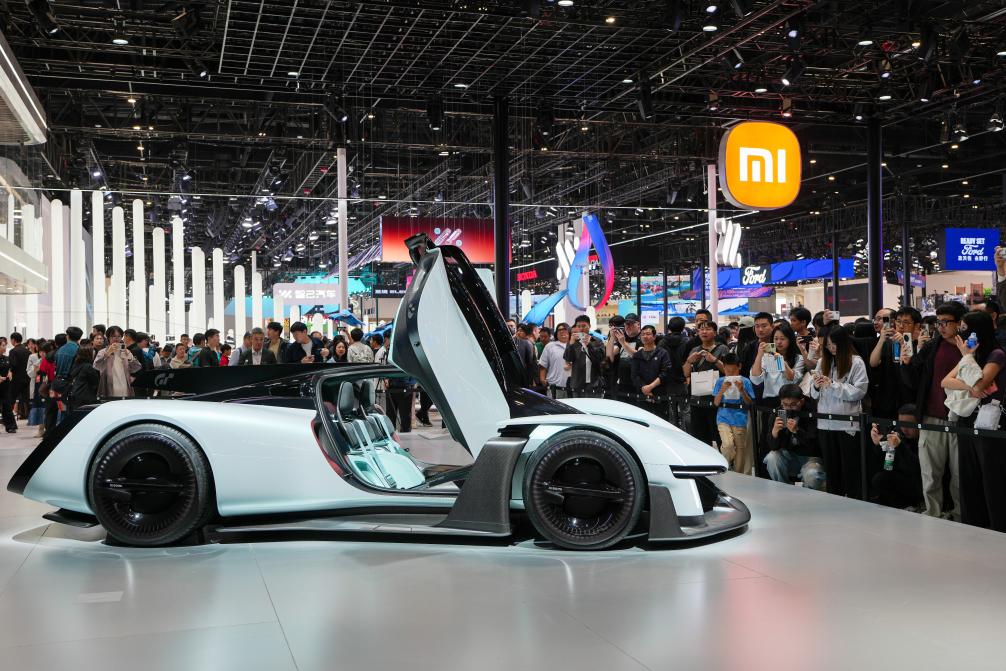
About 12 years ago, a domestic smartphone brand renowned for its high performance-to-price ratio made headlines due to its patent disputes with a foreign brand. Today, it has grown to a technology company holding tens of thousands of patents, with its smart products recently earning praise from visiting foreign leaders.
BrainCo, a brain-machine interface company and one of Hangzhou's cutting-edge "Six Little Dragons" tech firms, said its growth has benefited from IP protection. At a recent IP forum in Beijing, BrainCo called for all enterprises to take a long-term view, invest more in original R&D, and double down on high-value patents.
There are also changes in official data released by Chinese IP authorities, which are no longer solely focused on patent volumes or rankings. The current keywords are quality and efficiency, such as the ownership of high-value patents and IP's contribution to GDP. They are true indicators of innovation.
China's open approach extends to its IP landscape as well. By ensuring fair treatment for both domestic and foreign enterprises and actively engaging in international IP governance, it has won recognition from global IP bodies and enterprises. At the forum, Qualcomm said that China's continuous push to enhance the IP business environment has further motivated the U.S. chipmaker to deepen its cooperation with Chinese industries.
A global vision requires a clear-eyed understanding of where others excel.
Ma Yide, a professor at the School of IP at the University of the Chinese Academy of Sciences, told me that despite China's lead in terms of quantity, gaps remain and there is still much to learn from others including the United States in basic research patenting and university tech transfer, the EU in IP data governance and AI legislation, Japan in IP-backed finance, and the Republic of Korea in IP talent training.
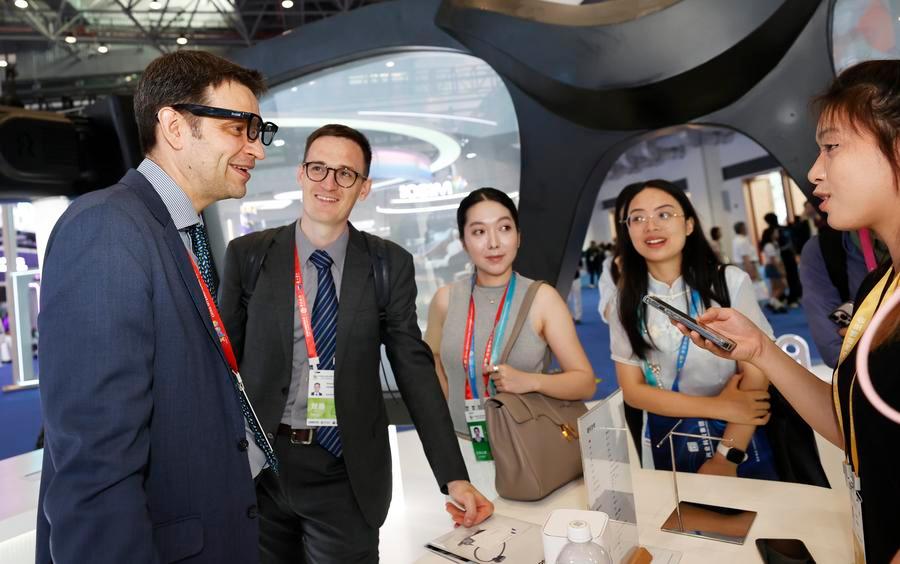
Just as in global AI governance, China aims to build a fairer, more balanced international IP system through mutual learning, Ma said.
April 26 marked World IP Day. Over the past week, numerous sectors across China have marked the occasion, including my colleagues and me, who have been covering IP for years.
The evolution of IP in China mirrors the country's broader story of innovation: a late start, followed by determined efforts to close the gap, intensify learning and sustain that progress. That, I believe, is the best China IP story. ■