
ANKARA, April 17 (Xinhua) -- Two deadly school shootings in Türkiye within days have shaken the nation and reignited debate over rising violent crime, raising concerns about school safety and the social factors driving youth violence.
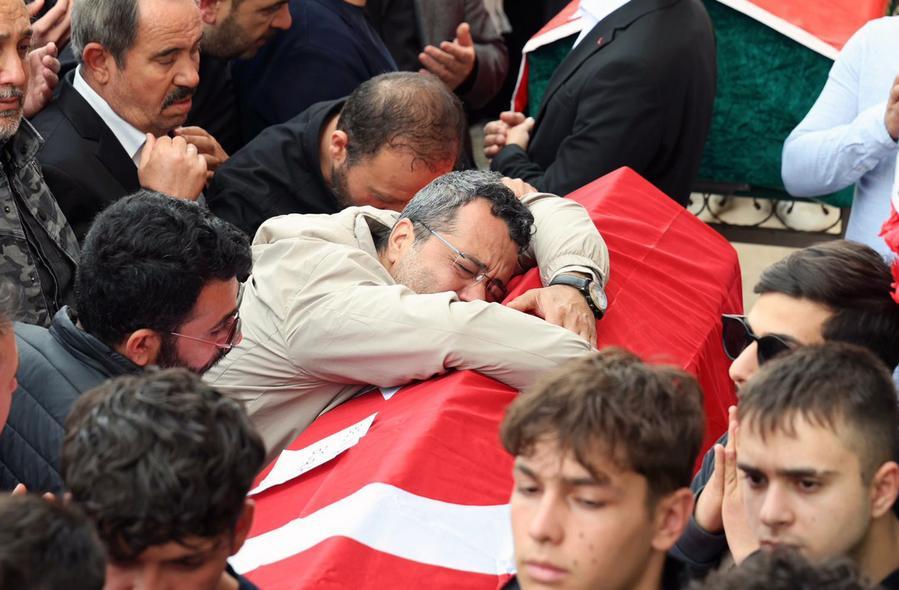
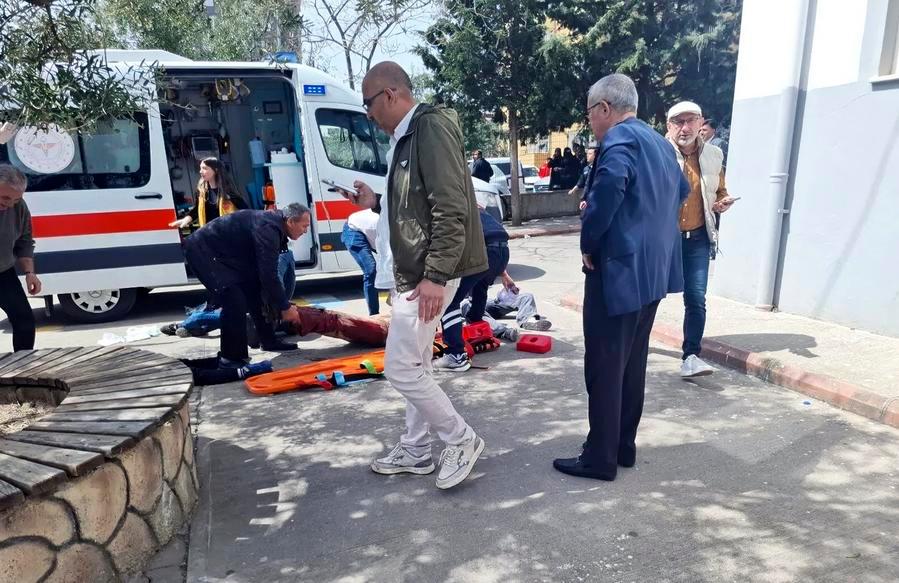
The most deadly attack occurred on Wednesday at a middle school in Kahramanmaras, southern Türkiye, where an eighth-grade student opened fire inside classrooms, killing eight students and one teacher, and wounding several others. A 10th victim later succumbed to his injuries on Thursday.
Authorities said the attacker, aged 14, brought multiple firearms and magazines to the school in a backpack and opened fire in two classrooms before committing suicide. The weapons were believed to belong to his father, a former senior police officer who was later arrested, and the motive remains under investigation.
According to the police, the teenager was suffering from unspecified psychological issues, the local press said.
Initial findings revealed that the perpetrator used an image on his WhatsApp profile referencing Elliot Rodger, who killed six people on a university campus in the United States in 2014 before taking his own life, a statement said.
Police also said a recent entry on his computer indicated there would be a major attack "in the near future."
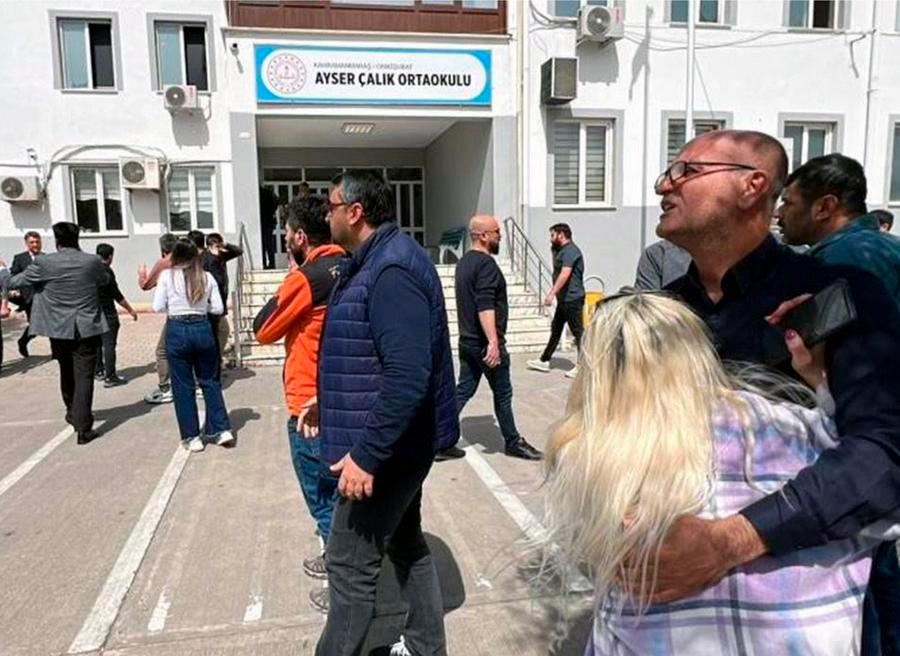
The shooting came just a day after another attack at a school in southeastern Türkiye's Sanliurfa province, where a former student at the school injured at least 16 people with a shotgun on campus before taking his own life.
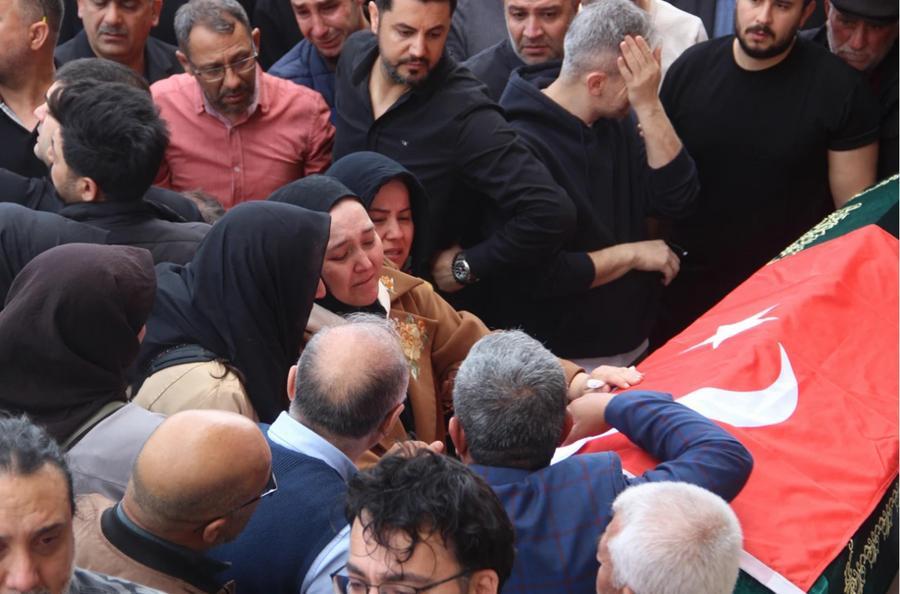
The back-to-back incidents shocked the country, where mass school shootings have historically been extremely uncommon. Grieving families and hundreds gathered for funerals held on Thursday for the victims of the shooting.
Amid growing public concern, parliament announced the formation of a special commission to investigate violence in schools while police protection has been increased around schools across the country.
Zeynep Taskin, an educator based in Ankara, said the incidents had left many teachers and parents deeply worried.
"Schools should be the safest places for children," she said to Xinhua. "Beyond security measures, we need stronger counseling services, better communication between families and schools, and programs that teach students how to resolve conflicts without violence," she stressed.
Experts say the incidents have also revived debate over individual firearm ownership and the circulation of illegal weapons.
Individual armament is not a new issue in Türkiye, and experts have previously urged policymakers to tighten regulations on licensed firearms while stepping up efforts against unregistered weapons.
Ayhan Akcan, a psychiatrist in Istanbul and an activist against gun violence, said the country has seen a steady increase in armed violence in recent years.
"Incidents involving firearms rise by around 5 percent each year," Akcan told Xinhua. "Despite regulations that limit legal ownership, the number of weapons in circulation remains high," he said.
Akcan, who is also a board member of the Umut (Hope) Foundation, a non-governmental organization that raises awareness about gun violence, estimated that there are roughly 40 million unlicensed firearms in Türkiye, and only one in 10 firearms in circulation is licensed.
For this doctor, many young people view firearms as symbols of power or protection.
"School shootings are rarely caused by a single factor. They often involve a combination of emotional distress, social isolation, exposure to violence and easy access to weapons," he noted.
Tackling the issue of juvenile delinquency requires long-term policies, stronger social support systems and reforms in rehabilitation facilities, Akcan added.
Officials have emphasized that both attacks appear to be isolated incidents with no links to terrorism.
For many parents and educators, however, the events have raised difficult questions about how to ensure the safety of students while addressing the deeper causes of juvenile crime in big cities.
According to Taskin, improving early psychological support, monitoring bullying and promoting dialogue between schools and families could play a key role in preventing similar tragedies. ■