
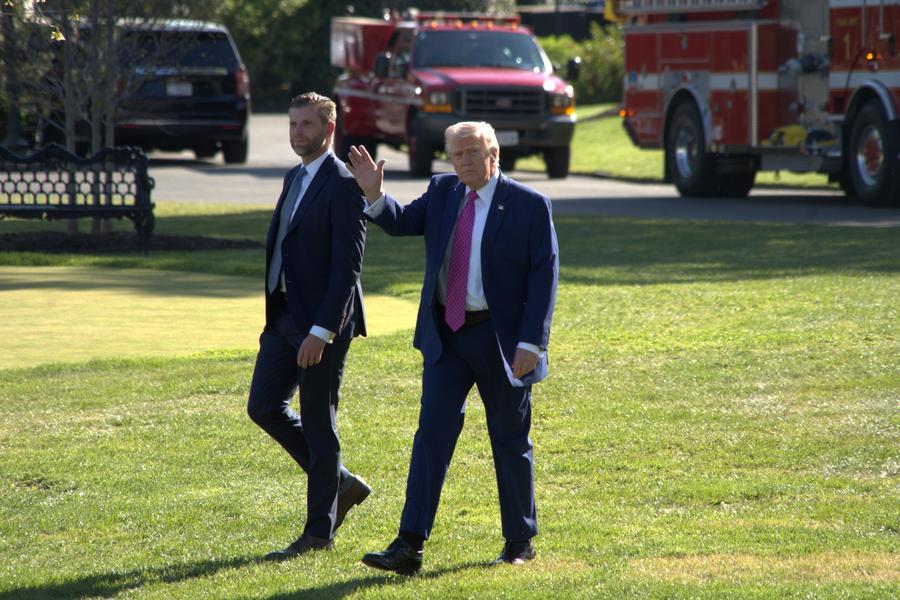
Trump claims Iran wants to "make a deal very badly," signaling U.S. eagerness too
U.S. President Donald Trump said his administration received a call from Iran on Monday morning, claiming that Tehran "would like to make a deal very badly" but also signaling Washington's eagerness to reach a deal to end the conflict.
Trump did not reveal whether Washington has agreed to another round of talks before the ceasefire expires on April 21, though multiple U.S. media outlets, citing U.S. officials and regional sources, said both Washington and Tehran leave room for further talks.
"We've been called by the other side," Trump told reporters at the White House. "They'd like to make a deal very badly."
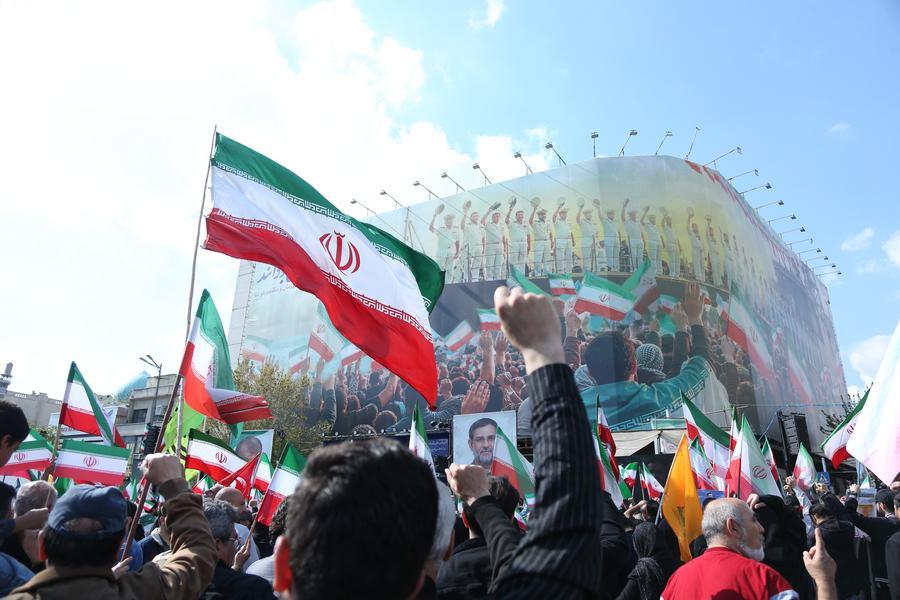
Iran's IRGC says to use new capabilities if conflict continues
Iran's Islamic Revolution Guards Corps (IRGC) has vowed to use new military capabilities if the war with the United States and Israel continues, the semi-official Fars news agency reported Monday.
"We have not yet used our capabilities, and if the war continues, we will unveil capabilities that the enemy has no idea about," IRGC spokesperson Hossein Mohebbi said.
Meanwhile, Iran's Defense Ministry spokesperson Reza Talaeinik said Monday that the Iranian armed forces' capabilities are increasing, with sufficient missiles, drones, weapons, ammunition and other military equipment to continue offensive and defensive operations in the future, Iran's official news agency IRNA reported.
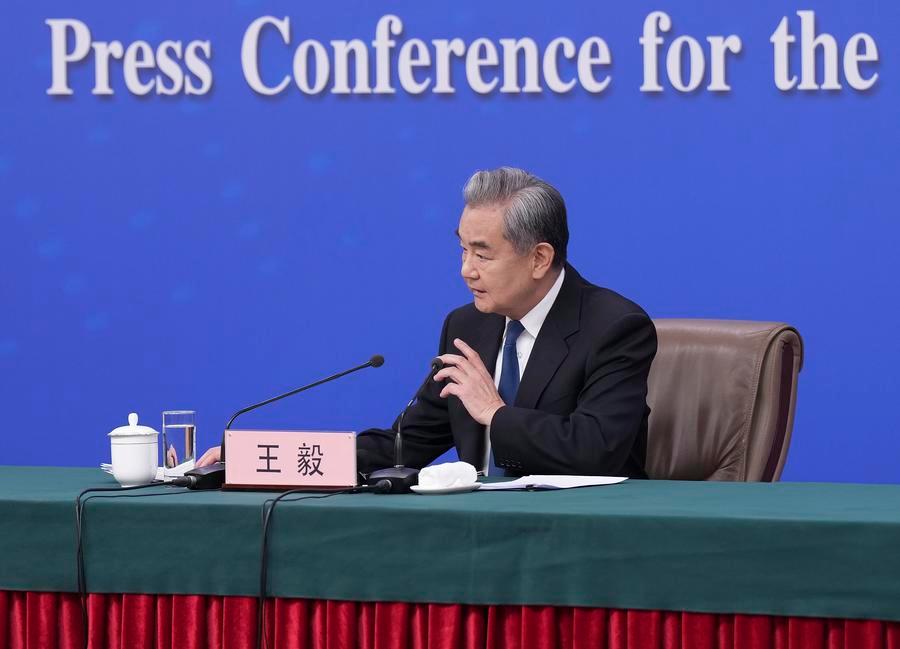
Chinese FM calls for preserving hard-won momentum of ceasefire in Iran
Chinese Foreign Minister Wang Yi said on Monday that the top priority is to make every effort to prevent the conflict from reigniting in the Middle East and maintain the hard-won momentum of the ceasefire.
Wang, also a member of the Political Bureau of the Communist Party of China Central Committee, made the remarks in a phone conversation with Pakistani Deputy Prime Minister and Foreign Minister Mohammad Ishaq Dar.
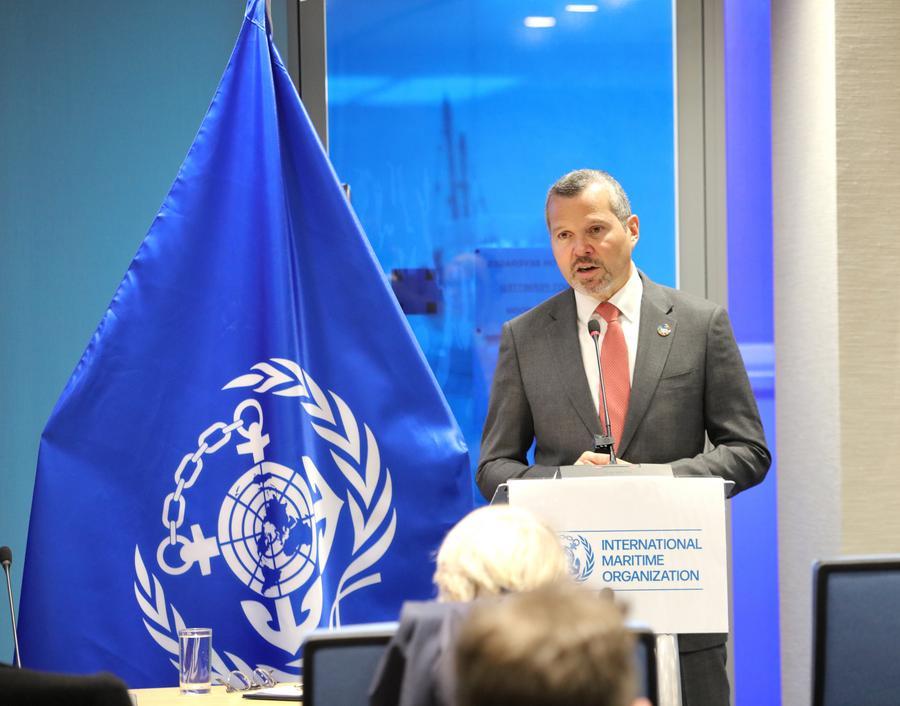
IMO chief says additional restrictions not to ease crisis in Strait of Hormuz
International Maritime Organization (IMO) Secretary-General Arsenio Dominguez said on Monday that additional restrictive measures will not help resolve the ongoing crisis surrounding the Strait of Hormuz, stressing that de-escalation is key to restoring normal shipping operations.
Responding to a question from Xinhua on whether the U.S. blockade will complicate IMO's efforts to evacuate seafarers and vessels, Dominguez said the current situation "doesn't make it any easier."
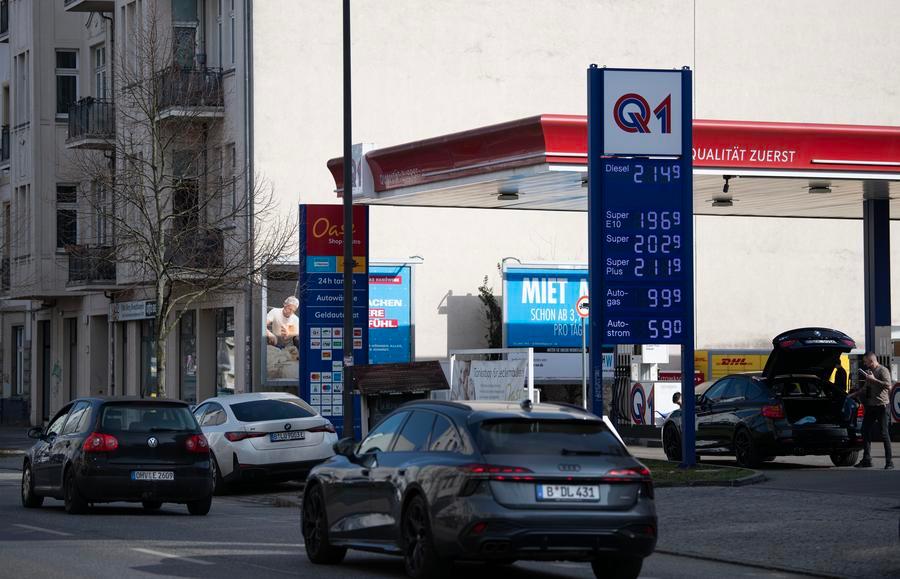
Germany cuts fuel taxes to ease price surge, but economists express skepticism
Germany on Monday unveiled a temporary cut in fuel taxes to ease pressure from surging energy prices driven by Middle East tensions, but economists warned the relief will be modest and risk adding to fiscal pressures.
Under the plan, energy taxes on petrol and diesel will be reduced by around 17 euro cents (20 U.S. cents) per liter for two months, according to a government statement, though the start date has yet to be specified. The government estimated the measure will result in around 1.6 billion euros (1.9 billion dollars) in lost revenue.■