The latest conflict, which is under a fragile ceasefire, has posed a fresh stress test for Europe, still grappling with the fallout from the Ukraine crisis.
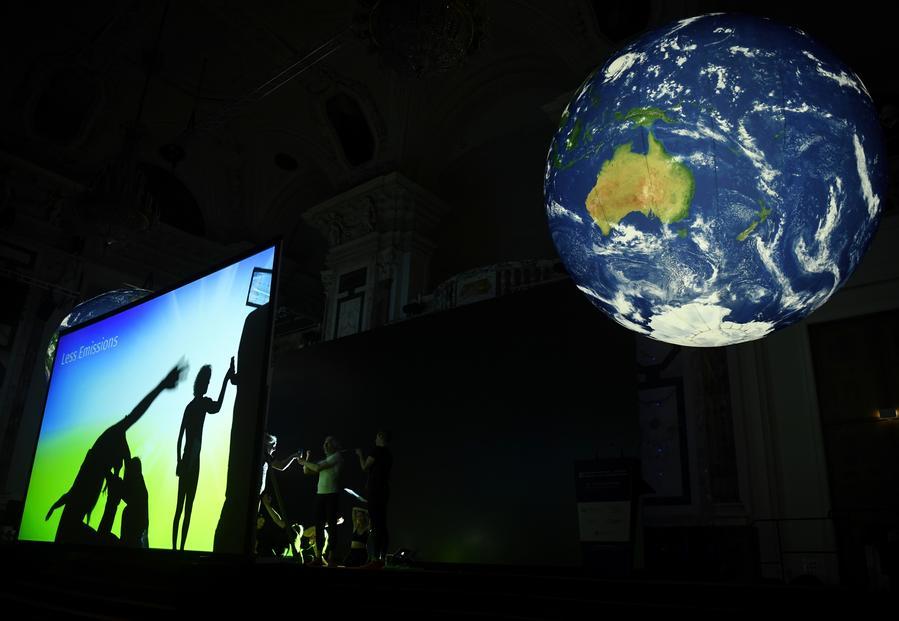
VIENNA, April 12 (Xinhua) -- The International Vienna Energy and Climate Forum, which concluded over the weekend, marked the first major global energy gathering since the latest U.S.-Israel-Iran tensions, a conflict that erupted on Feb. 28 and sent global energy prices sharply higher amid fears of supply disruptions.
Under the theme "Powering Prosperity, Security and Stability," discussions focused on energy access, transition pathways and climate goals. Set against a backdrop of geopolitical uncertainty, the forum underscored a key message: while the Middle East crisis has exposed vulnerabilities in Europe's energy system, it is strengthening the case for accelerating the global shift toward clean energy.
The latest conflict, which is under a fragile ceasefire, has posed a fresh stress test for Europe, still grappling with the fallout from the Ukraine crisis. Participants at the two-day forum underscored that such shocks can generate political momentum for long-term energy transformation.
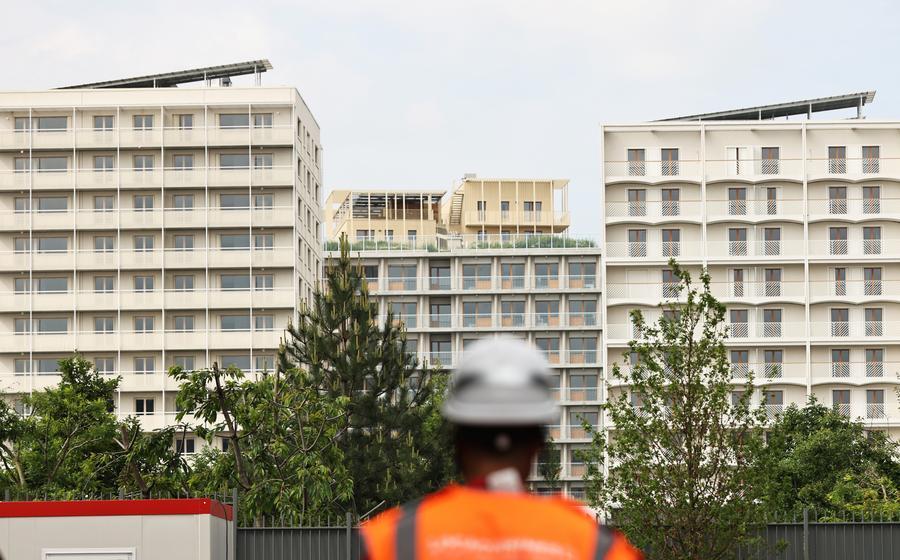
In fact, on April 2, just days before the forum, the French government launched a major renewable energy tender aimed at adding 15 gigawatts of offshore wind capacity by 2035, alongside expanded onshore wind and solar projects. According to official targets, fossil fuels' share in France's final energy consumption is set to fall from about 60 percent currently to 40 percent by 2030 and 30 percent by 2035.
"Renewables are the clear solution for most countries because they are universally available," said Hans Joachim Schellnhuber, director general of the International Institute for Applied Systems Analysis.
Austrian Foreign Minister Beate Meinl-Reisinger similarly framed renewable energy as "freedom energy," arguing that true energy security depends on reducing reliance on a limited number of resource suppliers.
Spain, Portugal and Iceland, which are less dependent on imported fossil fuels and more structurally aligned with renewable energy, have weathered the current crisis better, according to Rana Adib, executive director of REN21. "This crisis is accelerating change," she said, pointing to European Commission plans to expand electrification and decarbonization across all energy-consuming sectors.
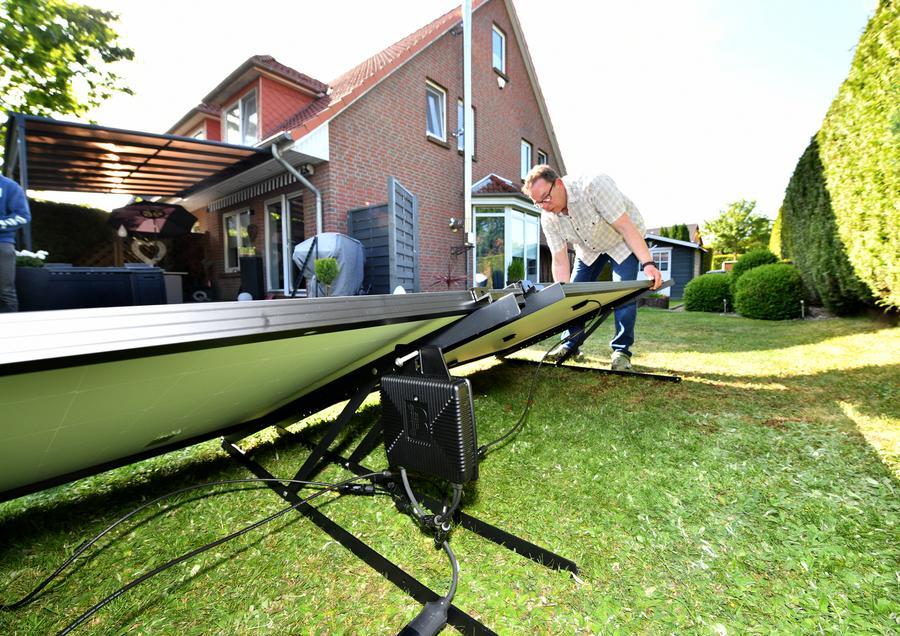
Participants also called on European leaders to adopt more integrated and long-term planning approaches to strengthen energy security and transition efforts.
At the same time, experts cautioned that the green transition faces significant practical constraints. Renewable energy systems require reliable backup from conventional sources to maintain grid stability, noted Franz Radermacher of the Research Institute for Applied Knowledge Processing.
Germany's rapid phase-out of nuclear and fossil fuels has raised concerns about maintaining a stable baseload power supply. Meanwhile, the rising share of renewables has introduced new challenges: during peak production periods, surplus solar electricity has at times forced Germany to pay neighboring countries to absorb excess power, only to import electricity later at additional cost when supply tightens.
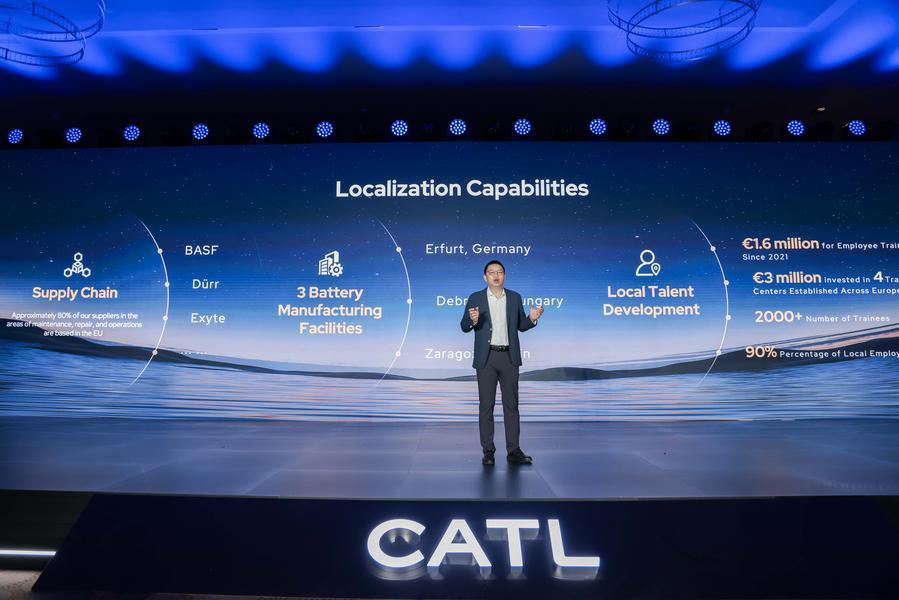
Energy storage remains a critical bottleneck in addressing these imbalances. Lithium-ion batteries dominate the market, with demand projected to grow by 6 to 7 percent annually. However, under net-zero scenarios, supply shortages could emerge as early as 2028, according to industry estimates.
Despite these challenges, participants stressed that the risks are manageable through diversified supply chains, expanded recycling and stronger international partnerships. More importantly, they agreed that such constraints should not slow the transition. Instead, they highlight the urgent need for greater investment in grid infrastructure, storage capacity, financing mechanisms and policy coordination. ■