Analysts believed that the unsuccessful talks highlight the persistence of deep strategic divisions between the two sides, stressing that the gap is not merely tactical but structural.
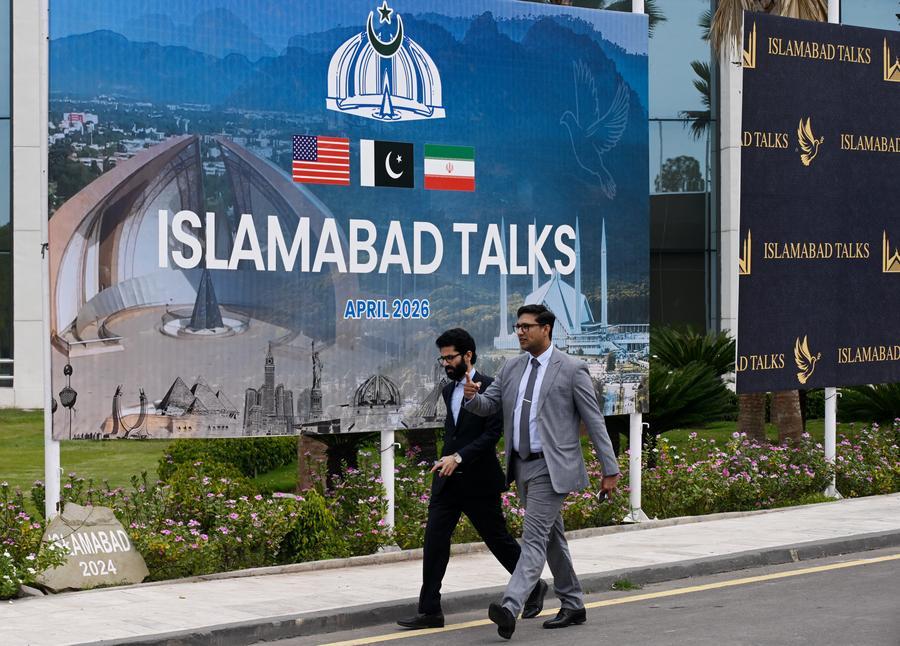
ISLAMABAD, April 12 (Xinhua) -- The high-stakes U.S.-Iran talks in Islamabad concluded without a deal on Sunday, with Washington citing "extensive flexibility" and "good-faith negotiations" but no consensus, while Tehran blamed U.S. "excessive demands" for blocking progress toward a common framework and agreement.
The meeting followed a two-week ceasefire that paused nearly 40 days of intense hostilities and briefly opened a narrow window for diplomacy. Held in Pakistan, a key regional mediator, the talks marked the highest-level face-to-face engagement between the United States and Iran since 1979, a relationship long defined by decades of sanctions, periodic confrontation, and deep mistrust.
Analysts said the failure to reach an agreement underscores entrenched structural divisions between the two sides, while noting that the very fact that the talks took place signals limited but meaningful diplomatic progress.
They added that domestic political pressures, economic risks linked to potential instability in the Middle East, and signs of growing war fatigue may continue to encourage both sides to keep diplomatic channels open despite the current deadlock.
NO DEAL REACHED
Speaking at a press conference in Islamabad on Sunday, U.S. Vice President JD Vance said he was returning "without an agreement," adding that Iran had not accepted U.S. terms despite what he described as "a good-faith engagement."
Vance said the Iranian nuclear program remained at the center of the dispute, reiterating that Washington requires an "affirmative commitment" from Tehran not to pursue nuclear weapons or the capability to rapidly develop them. Iran, however, has consistently maintained that its uranium enrichment activities are a sovereign right and has rejected externally imposed restrictions.
Iranian officials, in turn, blamed the impasse on what they described as "excessive and unreasonable demands" from the United States, arguing that Washington's conditions failed to respect Iran's "legitimate rights," including enrichment activities and meaningful sanctions relief.
Iranian Foreign Ministry spokesman Esmail Baghaei said that while the two sides had reached understandings on several issues, they remained far apart on two to three key points, preventing a final agreement.
Despite the lack of a breakthrough, Tehran signaled that dialogue could continue. Quoted by Iran's Mehr News Agency, Baghaei said it would be unrealistic to expect a deal in a single round of talks, adding that Tehran remained "confident that contacts between us and Pakistan and our other friends in the region will continue."
Pakistani security analyst Tughral Yamin noted that Pakistan had provided a platform for dialogue rather than a venue for a final settlement, suggesting the Islamabad talks may represent only an initial step in a longer diplomatic process.
For Pakistan, which facilitated the negotiations, officials indicated their role was far from over. Deputy Prime Minister and Foreign Minister Mohammad Ishaq Dar said Islamabad would continue to play a constructive role in supporting engagement between Iran and the United States in the days ahead.
TESTING RED LINES
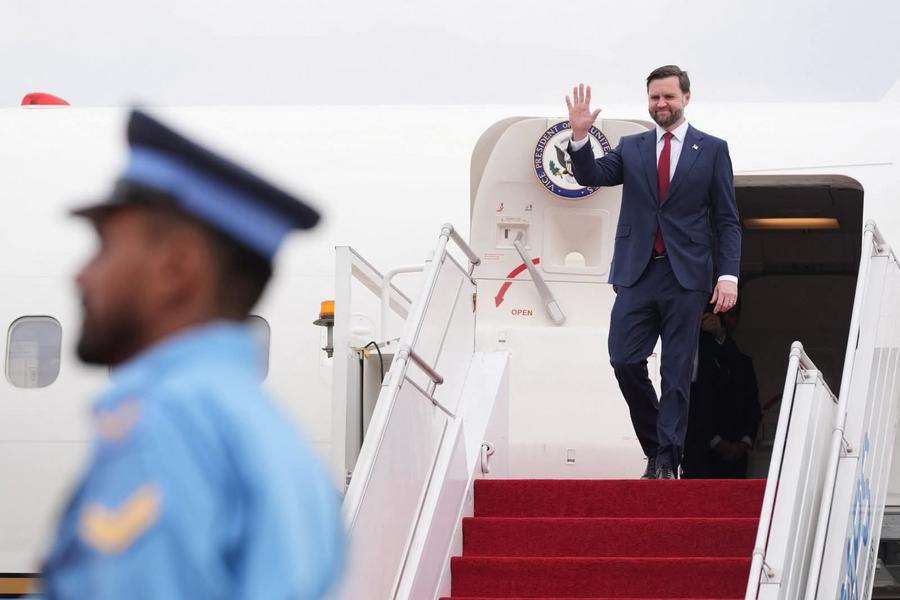
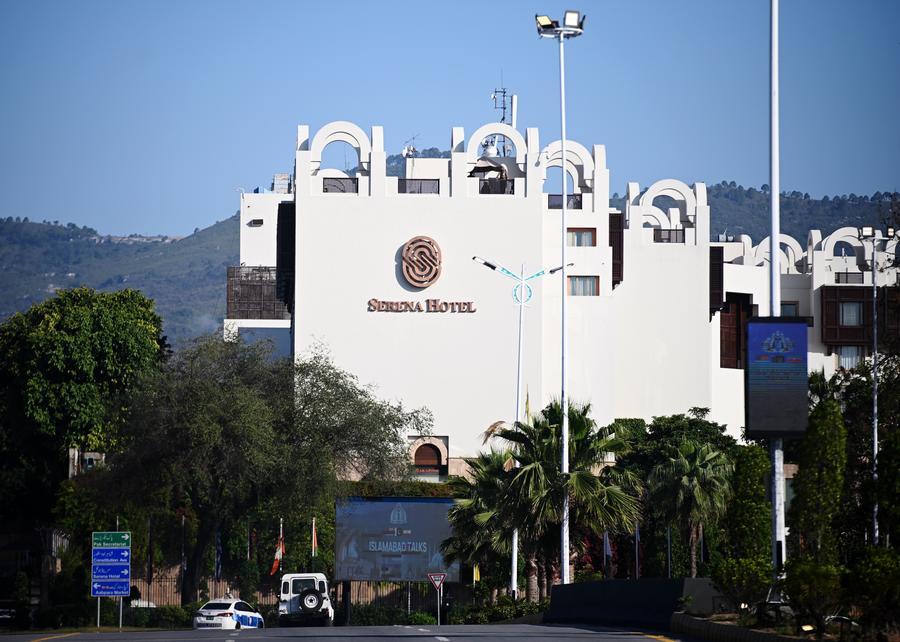
In the early hours of Saturday, a 71-member Iranian delegation led by Parliament Speaker Mohammad Bagher Ghalibaf and Foreign Minister Abbas Araghchi arrived in Islamabad. Later that day, a much larger U.S. delegation headed by Vance also reached the Pakistani capital, with the American side numbering around 300 people.
Before formal negotiations began, Pakistani Prime Minister Shehbaz Sharif held a meeting with the Iranian side, during which Tehran laid out several preconditions for engaging with Washington, including the unfreezing of all Iranian overseas assets and accounts and an immediate halt to all attacks, particularly those targeting Lebanon. Iranian officials have repeatedly stressed that stopping strikes on Lebanon is an integral component of any broader ceasefire arrangement.
However, the fragile ceasefire between the United States and Iran has been further complicated by continued Israeli strikes against Hezbollah, the Iran-backed group in Lebanon.
On Saturday evening, Israeli Prime Minister Benjamin Netanyahu said in a statement that the elimination of Hezbollah was a precondition for any ceasefire agreement between Israel and Lebanon.
Tensions also flared during more than 20 hours of negotiations over developments in the Strait of Hormuz.
The United States announced on Saturday that two U.S. Navy destroyers had passed through the strategic waterway, a claim Iran denied, saying its forces had forced the vessels to withdraw.
ENTRENCHED DEADLOCK
Analysts believed that the unsuccessful talks highlight the persistence of deep strategic divisions between the two sides, stressing that the gap is not merely tactical but structural.
The positions of both countries are highly divergent, with maximalist demands that remain far apart and are further complicated by deep-rooted mistrust, former Pakistani diplomat Masood Khalid said.
This divergence is reflected across multiple core issues. According to another former Pakistani diplomat, Naghmana Hashmi, the impasse centers on several key areas: the control of the Strait of Hormuz, the nuclear issue where both sides maintain hardline positions, military arrangements including Iran's demand for a U.S. withdrawal from the region, compensation claims for damages suffered by Iran, sanctions relief -- particularly frozen assets -- and the situation in Lebanon.
Addressing these complexities remains a formidable challenge, as Mohamed Benaya, an expert on Iranian and Gulf affairs at Al-Azhar University in Egypt, said that "bridging these gaps will be difficult without phased, reciprocal concessions."
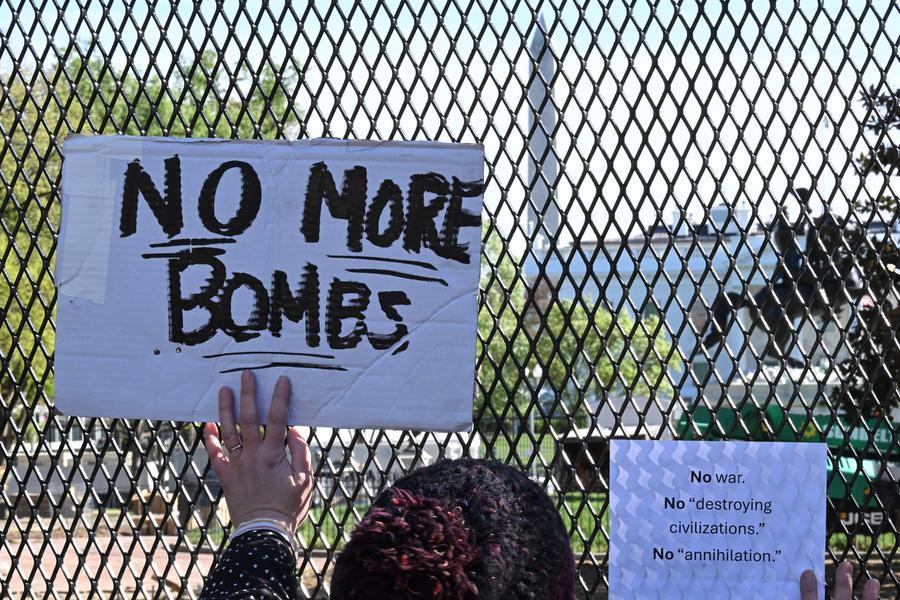
GLIMMERS OF HOPE
Despite these significant hurdles, analysts believe that the mere occurrence of these talks signifies progress.
Hashmi observed that both parties' willingness to remain at the negotiating table indicates a "positive mindset" focused on finding a solution, adding that the priority now is to maintain diplomatic momentum.
Khalid echoed this sentiment, suggesting that in the current high-tension climate, the fact that dialogue happened at all is an achievement in itself.
Looking ahead, analysts said that a combination of domestic and global pressures may push the dialogue to continue despite the deadlock.
Aizaz Ahmad Chaudhry, former Pakistani ambassador to the United States, noted that for U.S. President Donald Trump, the risks of a prolonged military confrontation and its potential fallout on upcoming midterm elections create a strong incentive for diplomacy.
Furthermore, experts said long-term economic risks, specifically the threat of instability in the Middle East disrupting global energy markets and trade flows, have strengthened international calls for de-escalation.
Battlefield dynamics may also be shaping diplomatic calculations. Said Nazir, a Pakistani defense analyst, pointed to growing "war fatigue" on both sides after weeks of confrontation and demonstrations of military capability, saying this could push Washington and Tehran to avoid a costly, open-ended conflict by keeping diplomatic channels open.
(Video reporters: Hu Yousong, Zhang Jingyao, Wan Houde, Tang Binhui; Video editors: Hong Liang, Zhu Cong, Zhang Yueyuan)■