by Dana Halawi
BEIRUT, April 11 (Xinhua) -- Naziha Jammoul has been on an emotional roller-coaster in recent days, her heart lurching between hope and dread with every news update.
After enduring yet another round of Israeli bombardment, the Beirut resident saw a flicker of hope sparked by Wednesday's announcement of a U.S.-Israel-Iran ceasefire. "We thought the days of relentless fire and turmoil were finally behind us," she said.
But that hope was short-lived: Israel soon made it clear that Lebanon was not part of the truce. The shadow of war stretches on.
"It's a ceasefire, but not for us," Jammoul told Xinhua, her words carrying the subdued grief that has taken hold of the country.
On the streets, reactions swing from frustration to weary resignation.
Ahmad Berjawi, another local resident, was keeping a close eye on the news like everyone else. When he learned that Israel had refused to include Lebanon in the ceasefire agreement, his anxiety spiked.
"If anything, it made me even more on edge," Berjawi said. "This could mean further escalation against Lebanon in the coming days."
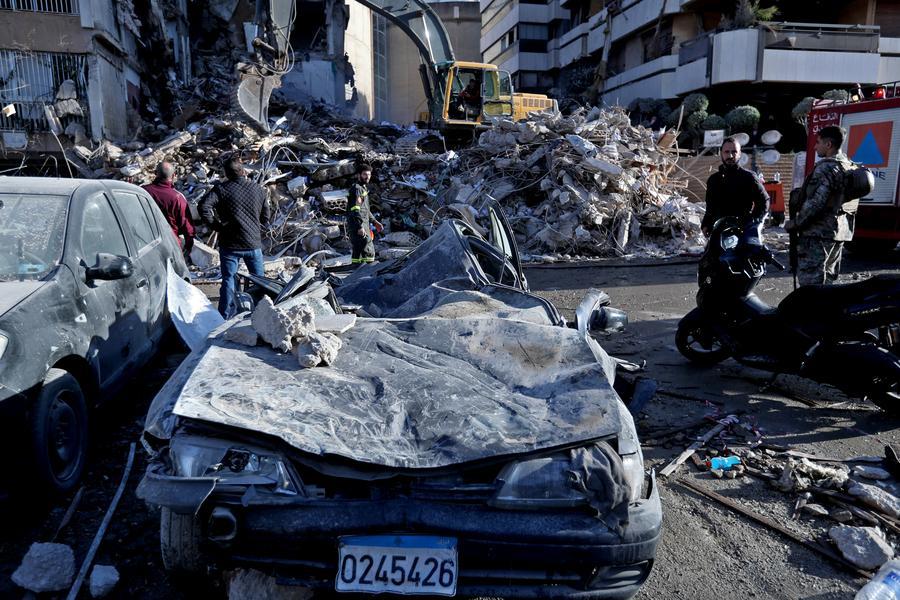
His concerns quickly came true later that day. After the deal was announced, Israel launched more than 100 airstrikes across Lebanon, one of the fiercest bombardments since the conflict began, killing hundreds and injuring over a thousand.
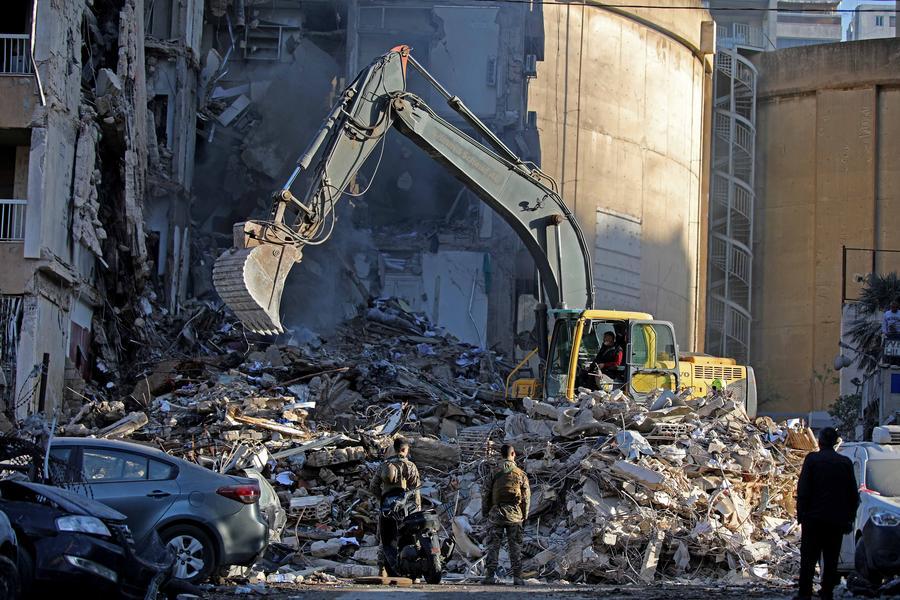
For some civilians, the exclusion from the ceasefire reopened a familiar wound: decisions shaping their future are made elsewhere, by others, for others.
"I wasn't surprised Lebanon wasn't included," said Rami Khoury, a Beirut resident. "At this point, it's almost expected. We've seen how these agreements happen, and Lebanon is rarely a priority."
For those uprooted from their homes, the ceasefire has brought little tangible change.
In a cramped temporary shelter, Moussa Hamdan, displaced from Beirut's southern suburbs, described the announcement as detached from reality. "We heard about it, but the strikes didn't stop. So what does it change for us?"
"We're all crammed into one place, trying to get by," said Ahmad Osman, one of many displaced residents now living with extended families in crowded rooms. "There's no plan, no timeline, just waiting."
"What we need first is safety," Osman added. "We can't think about anything else -- no future, no rebuilding, until people feel safe again."
"We're tired. Every time there's talk of de-escalation, we hope it will include us. And every time, it doesn't," said Fatima Darwish, displaced from southern Lebanon and now staying in Beirut, her weariness etched deep into her voice.
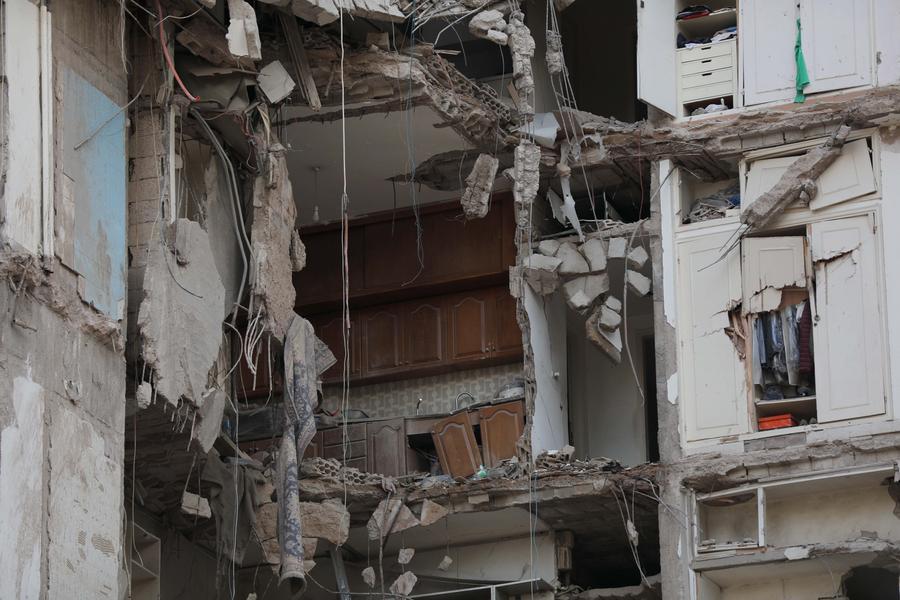
Darwish's words reflect a broader fatigue, born from repeated cycles of escalation.
"There's frustration, but also helplessness," Khoury said. "People feel like no matter what happens politically, it doesn't change anything for us on the ground."
Amid widespread frustration and resignation, Lebanon and Israel announced they will meet in the United States on Tuesday. While there is no guarantee that the talks will lead to any tangible peace, for many, simply shining a spotlight on Lebanon's suffering is a step in the right direction.
"We need attention on what's happening here," said Hamdan. "Not just the broader regional picture. What we are going through is real, and it's happening now."
"Lebanon cannot continue to be treated as a side issue," Ismail echoed. "There has to be real pressure to stop what's happening here, not just statements."
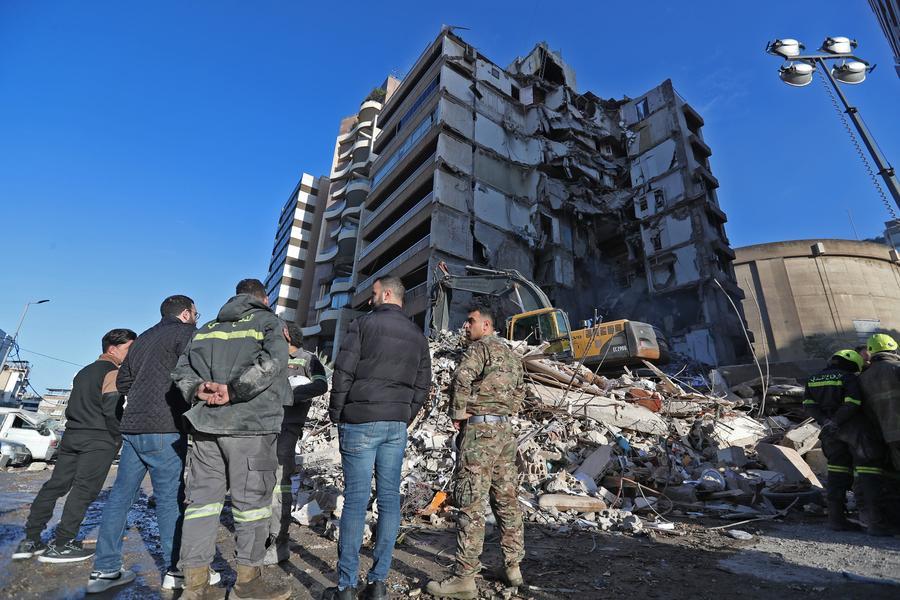
Despite the tension, life in parts of Beirut trudges on. Shops are still open, people commute, and daily routines persist.
"People are going out, working, trying to live, because we have no choice," said Ahlam Ismail, a resident of Ain Remmaneh, a suburb of Beirut, her voice quiet but taut with unease.
"However, no one feels safe," she added.
Not far away, Israeli drones were humming, a low, persistent reminder that war was still here. ■