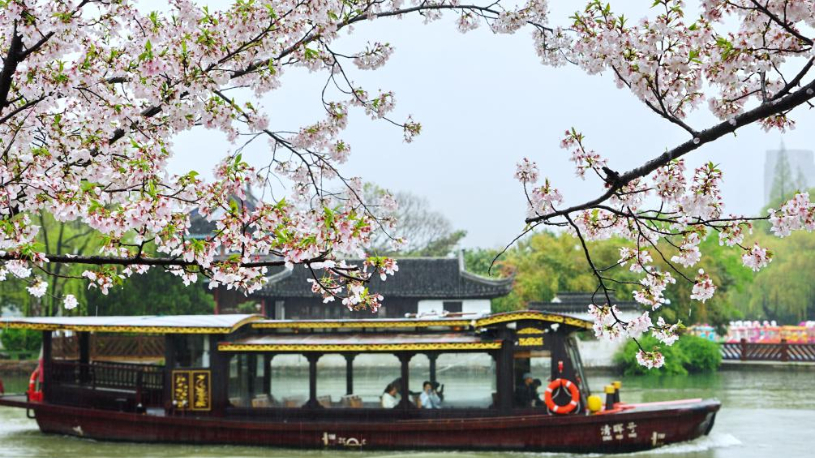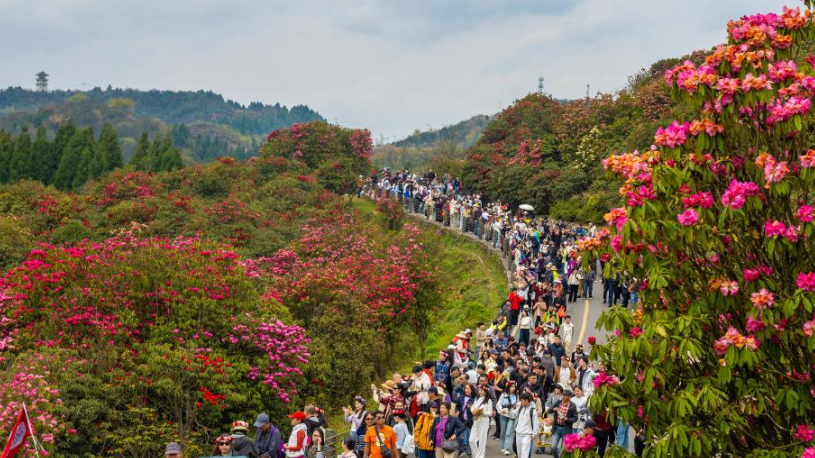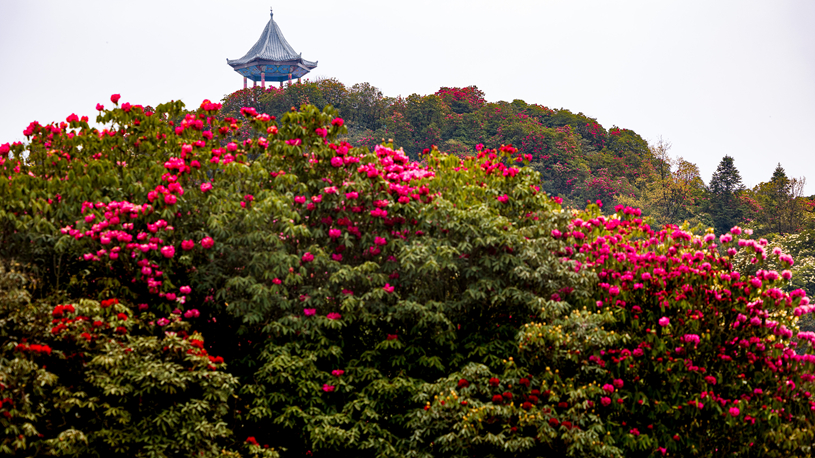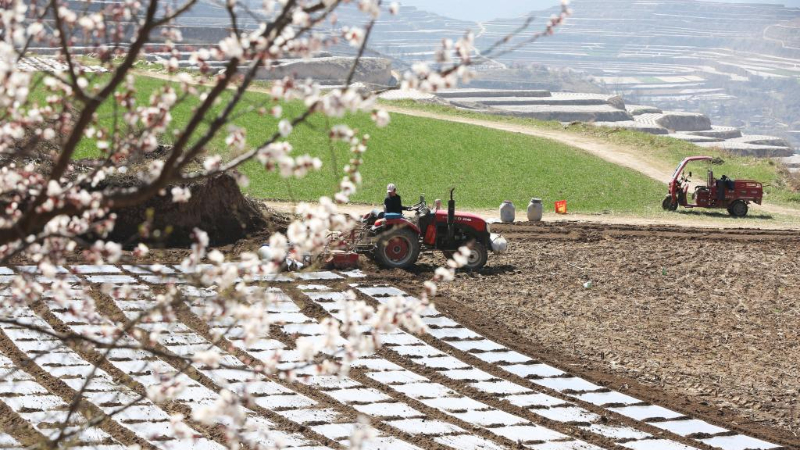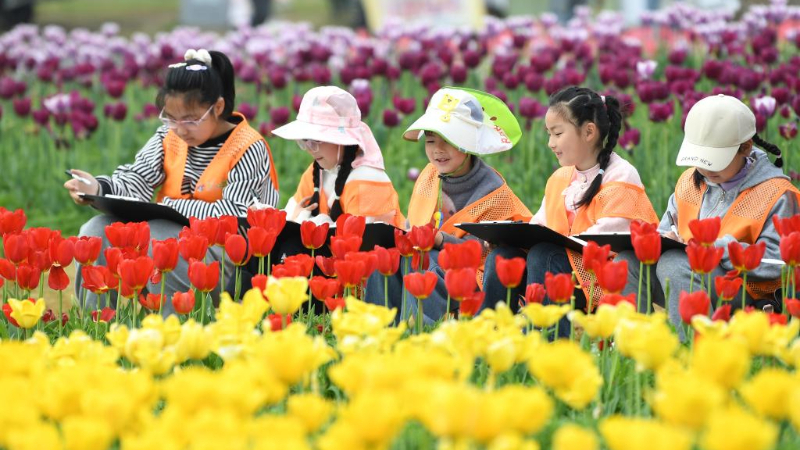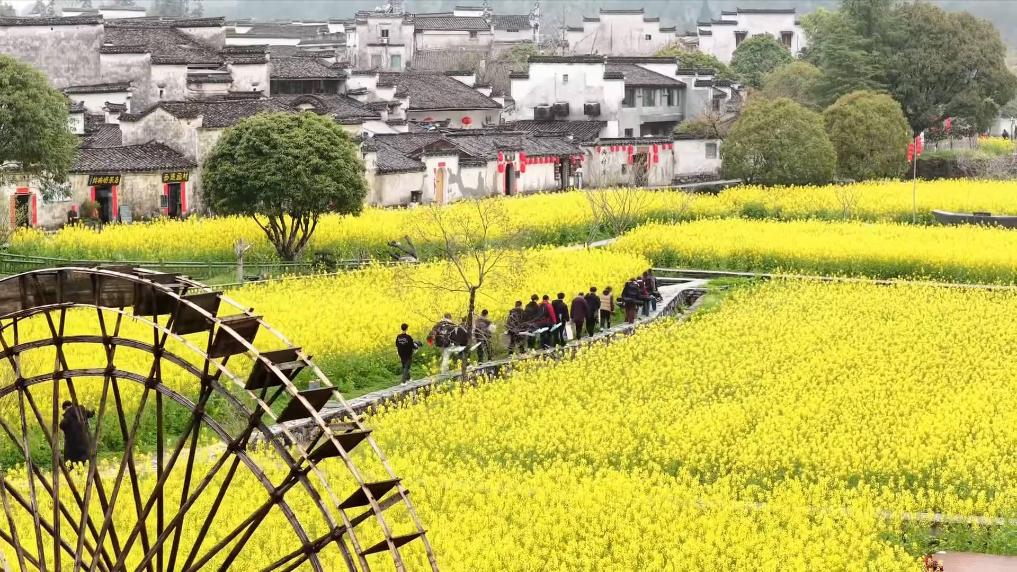
A six-day spring break in China, combining a new school holiday with the Qingming Festival, has seen children trade textbooks for hiking, tea picking, and other outdoor adventures. This initiative aims to tackle youth nearsightedness and obesity while energizing the sports tourism economy.
by sportswriter He Leijing
NANJING, April 6 (Xinhua) -- Ten-year-old Zhang Zijian had never felt closer to nature. During a rare extended school break, the fourth grader traded textbooks for trails, hiking and climbing through scenic hills, his steps tracing the contours of a season in bloom.
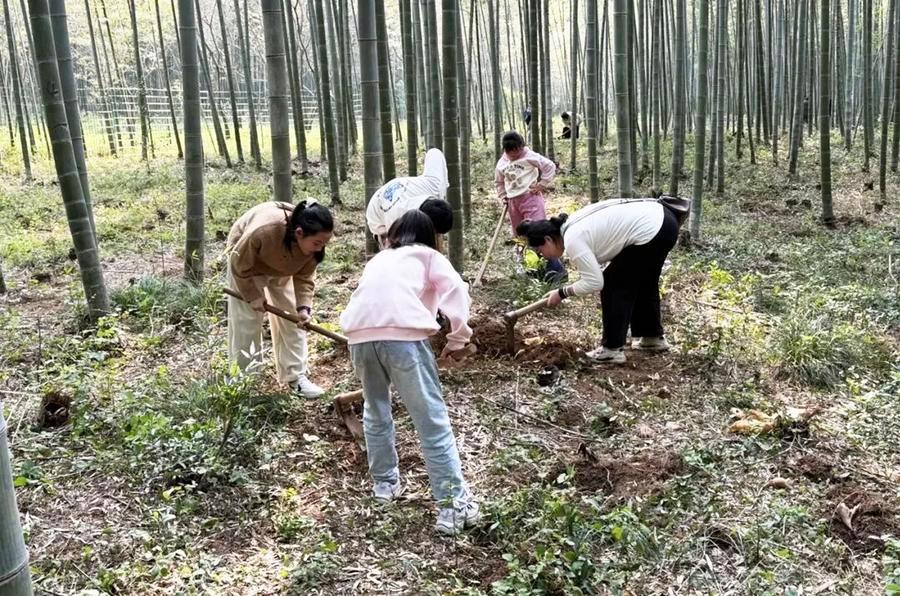
"For a six-day holiday, I spent five days outdoors," Zhang said. "I also picked spring tea leaves and dug bamboo shoots with friends. It was exhausting, but the experience felt fresh and rewarding."
Encouraged by his grandfather, Zhang joined a spring hiking program organized by a travel agency in Yixing, east China's Jiangsu Province. "Challenging the daily step count made it even more fun," he added.
His grandfather, Zhang Bing, found equal joy. "My grandson enjoys tracking his steps, and during the holiday, he was happy to get moving. It's his first spring break, and he's discovering the beauty of nature among bamboo groves and waterways."
China's latest government work report has proposed supporting regions with suitable conditions to introduce spring and autumn breaks for primary and middle schools. Provinces including Jiangsu, Zhejiang, Sichuan and Hunan have rolled out three-day spring breaks, which this year aligned with the Qingming Festival from April 4 to 6, forming a six-day getaway that has opened a window for families to embrace the outdoors.
The initiative echoes winter "snow holidays" introduced in some northern regions, where students are encouraged to take to ski slopes. In spring, the classroom now gives way to open fields and forested paths, as young people flock to hiking, cycling, frisbee and other outdoor pursuits, sweating freely under soft sunlight.
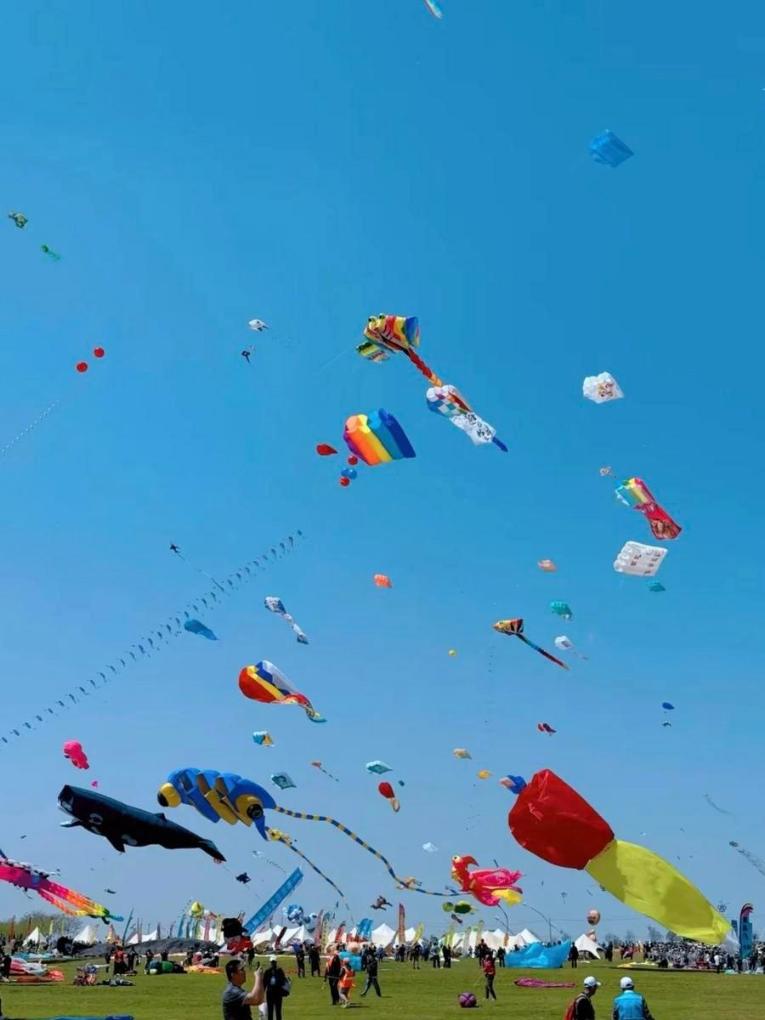
Local authorities have leaned into the momentum. Jiangsu's provincial sports bureau has unveiled a slate of student-friendly spring itineraries featuring kayaking, cycling and simulated combat games, with a kite-flying carnival in Yangcheng drawing more than 1,000 families.
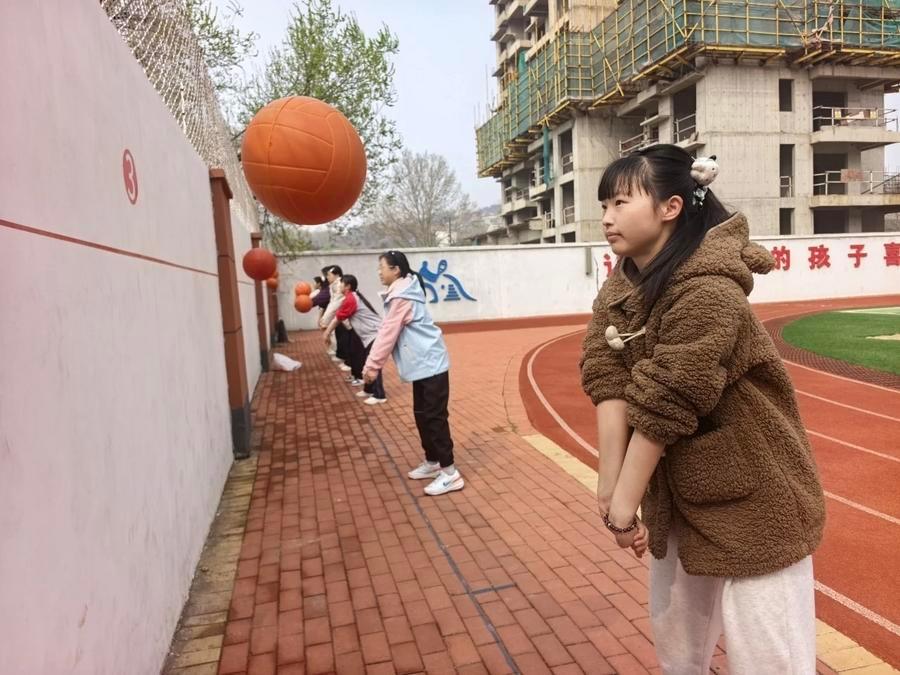
Farther south in Guizhou, youth sports events during the break include football, basketball and volleyball competitions alongside martial arts, rock climbing and roller skating, with tens of thousands expected to take part.
Schools in Anhui's Huainan have woven spring excursions and sports meets into their holiday schedules, encouraging family-oriented activities such as group rope-skipping and tug-of-war.
The push comes amid concern over nearsightedness and obesity among Chinese youth. With its mild weather, spring is widely seen as an ideal season for exercise that can boost cardiovascular health, build strength and improve coordination.
Even in cities like Beijing, where a spring break has yet to be adopted, children were seen during the Qingming holiday venturing into nearby mountains for outdoor adventures such as fishing, hiking, and foraging for wild vegetables. Some also tried activities like tree climbing and slacklining to gain both practical knowledge and a tactile sense of the season.
In Inner Mongolia, middle school students are being encouraged to combine exercise with cultural learning by practicing traditional grassland sports such as wrestling and archery.
Public sports facilities have also expanded their access. Across Jiangsu, venues have extended hours and offered free or discounted entry for students. At the Nanjing Olympic Sports Center, selected tennis courts, badminton halls and swimming pools opened free of charge to young visitors during the break.
Beyond physical benefits, the spring break policy is also seen as a step further to ease academic and psychological pressure. Schools are encouraged not to assign written homework during the holiday, while group tutoring and off-campus training are strictly restricted.
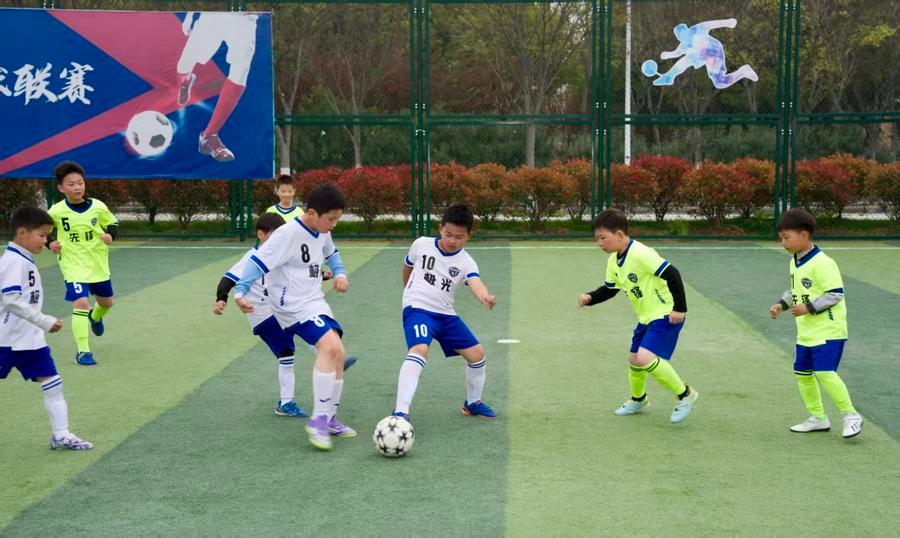
"Without homework, my child just comes out to play football," said Nanjing resident Wang Junjun, watching from the sidelines. "As long as he's happy and healthy, we parents are happy too."
Experts say the push dovetails with broader nationwide efforts to promote school sports, which now mandate no fewer than two hours of daily physical activity for primary and middle school students.
"Holidays like this do more than improve children's well-being," said Wang Shuhua, a researcher at the Jiangsu Academy of Social Sciences. "They also stimulate the integration of sports and tourism, encourage spending on sporting equipment, and energize the broader sports economy. Some regions are already preparing to introduce autumn breaks as well." ■