
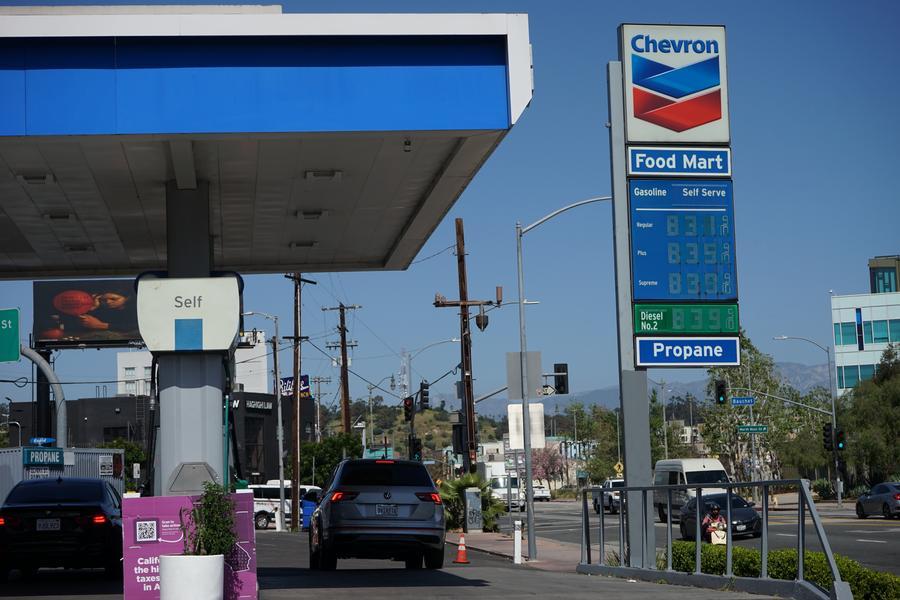
U.S. consumer confidence, inflation expectations up in March
The Conference Board reported on Tuesday that its U.S. Consumer Confidence Index rose to 91.8 in March, up from 91.0 in February and 89.0 in January.
Though the reading is also higher than the 88.5 consensus for March, worries about inflation and jobs continue to weigh, and the Iran war is darkening the picture for consumers, the report said.
The Present Situation Index, based on consumers' assessment of current business and labor market conditions, increased by 4.6 points to 123.3 in March. The Expectations Index, based on consumers' short-term outlook for income, business and labor market conditions, declined by 1.7 points to 70.9, mirroring the weight of rising costs due to tariff passthrough and spiking oil prices.
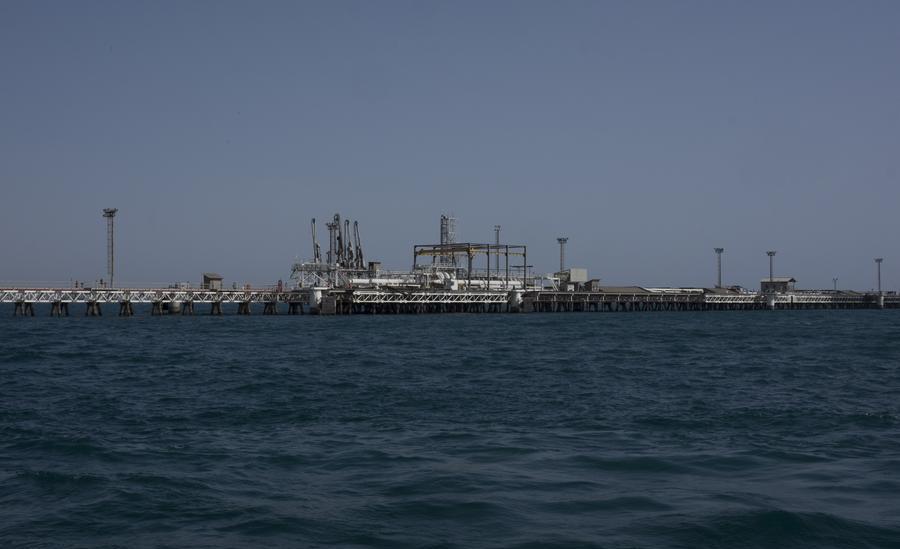
Explainer: Is U.S. truly ready to seize Iran's Kharg Island?
U.S. President Donald Trump has in recent days consecutively issued new threats against Iran, vowing to either seize or obliterate Kharg Island, Iran's oil export hub.
This is far from the first time Trump has set his sights on the island. As early as 1988, he claimed that capturing the island would be a way to exert pressure on Iran.
Why is Trump so fixated on a small coral island? What are the chances that Washington will attempt to seize it? If such a move occurs, how might it shape the course of the war?

Kremlin warns of measures if EU states provide airspace for Ukrainian drone attacks
Russia will take corresponding measures if it is confirmed that European Union member states are allowing Ukraine to use their airspace to launch drone attacks against Russian targets, Kremlin spokesperson Dmitry Peskov said Tuesday.
Peskov made the remarks when addressing reports that Baltic nations have opened their skies to Ukrainian drones targeting Russian territory, specifically the Leningrad Region.
"If this is taking place, it will compel us to draw the appropriate conclusions and take corresponding measures," Peskov told a press briefing.
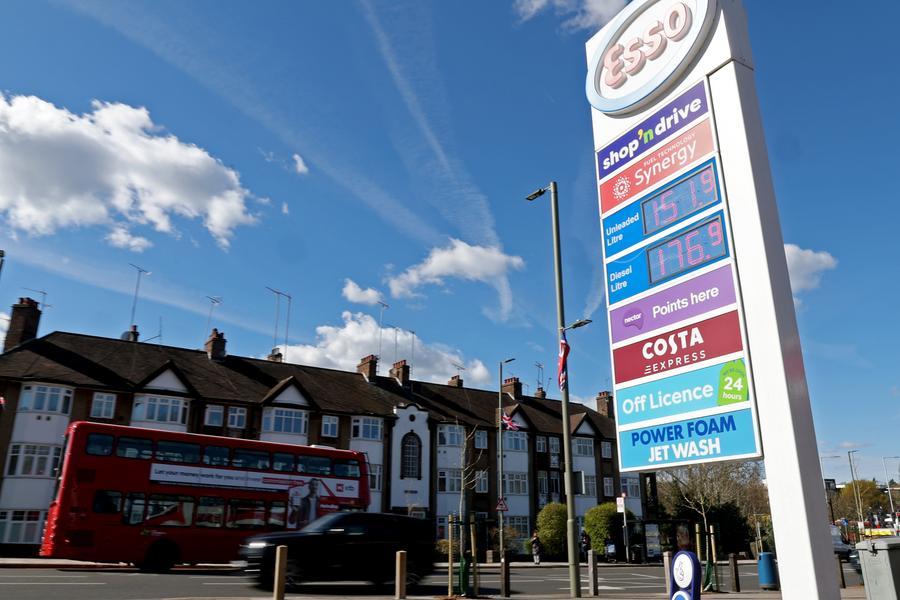
Economic Watch: Britain's inflation progress threatened by Mideast conflict
Britain's inflation progress is derailed by price hikes in energy, transport and other commodities triggered by the conflict in the Middle East. Analysts argue that consumers and businesses -- already stretched under subdued economic performance -- will face further squeeze in the forthcoming storms.
A recent survey by the British Retail Consortium (BRC) showed that consumer confidence for the next three months collapsed in March following the escalation. Expectations for the state of the economy plunged to -53 in March from -30 in February, hitting a record low, while sentiment on personal finances fell to -17 from -6, also a record low.
Following a period of elevated inflation, price growth in Britain eased during 2024 and remained relatively moderate into early 2026. The country's consumer price index (CPI) rose by 3 percent year on year in February, unchanged from January, according to earlier data from the Office for National Statistics. ■