BEIJING, Dec. 23 (Xinhua) -- As 2025 draws to a close, let's play a game of "Origin Story." Look around you:
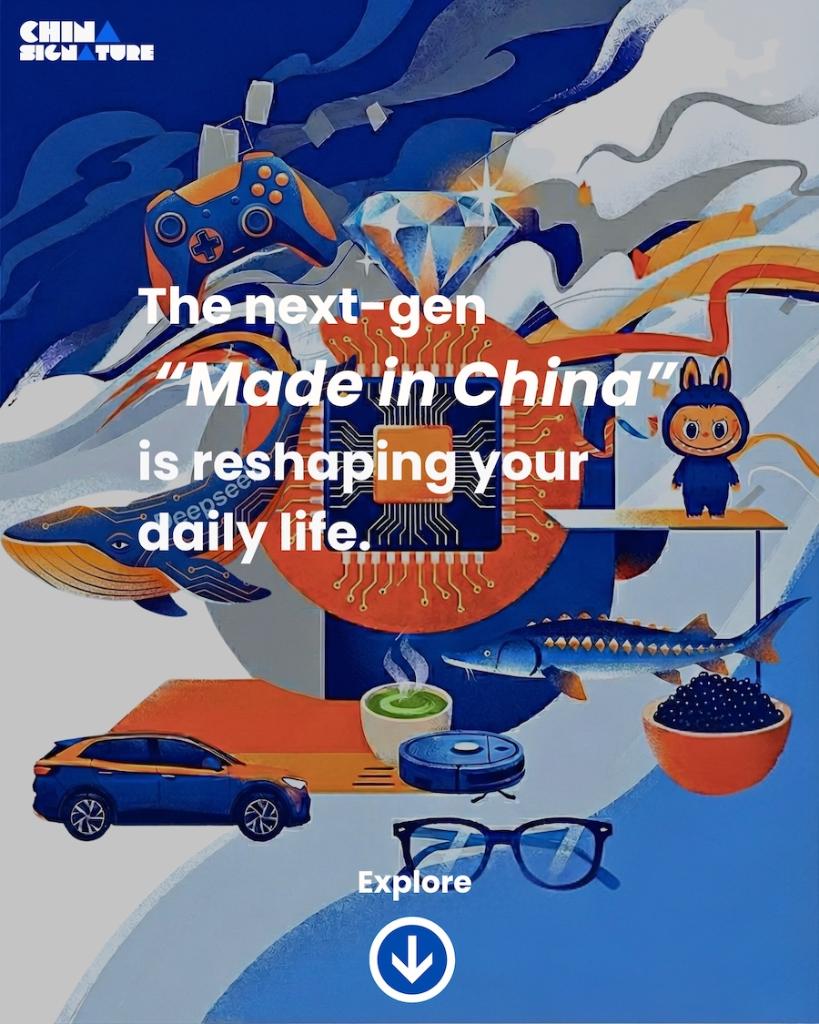
The diamond on a young couple's engagement ring. The matcha latte warming your palm. The robot vacuum cleaning the floor. The Labubu toy swaying from a commuter's backpack.
Chances are, they all share the same place of origin: China.
"Made in China" has quietly evolved from a budget-friendly alternative into the default choice of modern life. The next-gen "Made in China" is no longer merely about scale and affordability; it's about setting new standards in a wide range of aspects.
Here are nine ways this transformation has redefined daily life.
I. CAVIAR
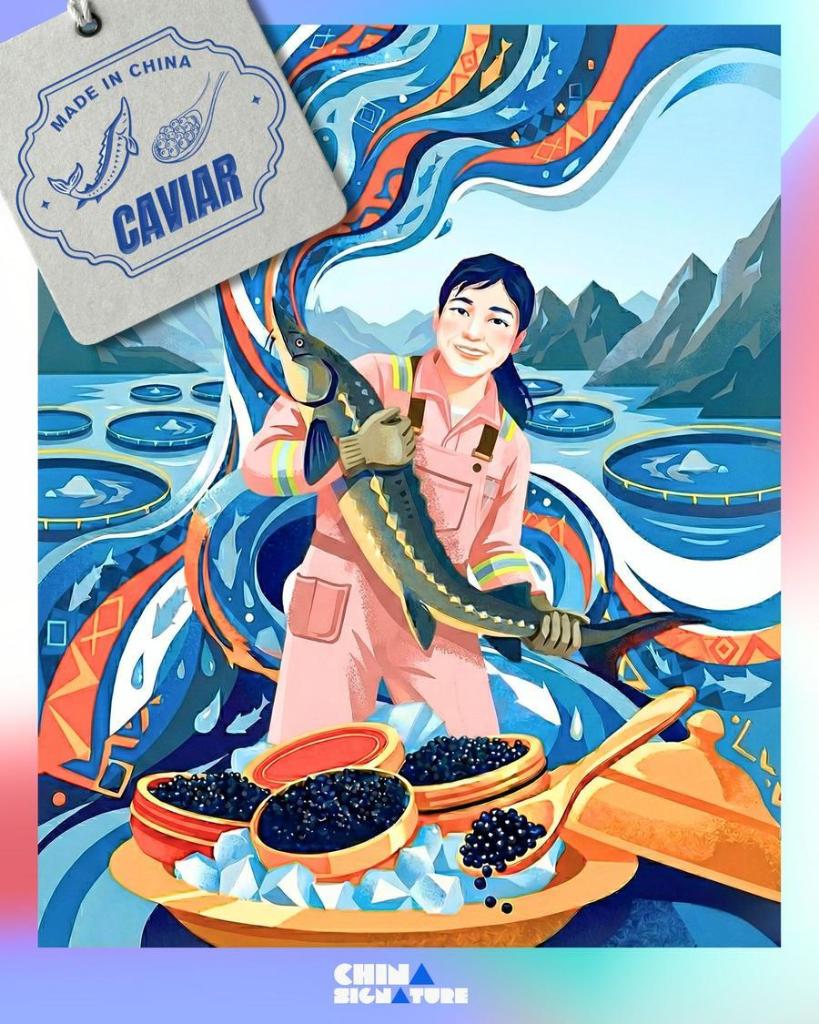
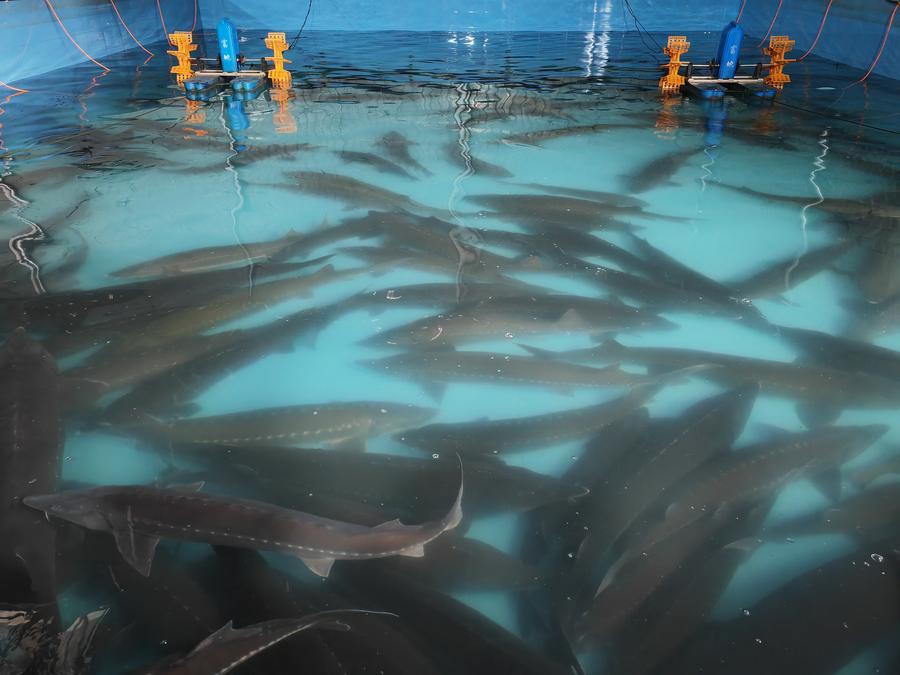
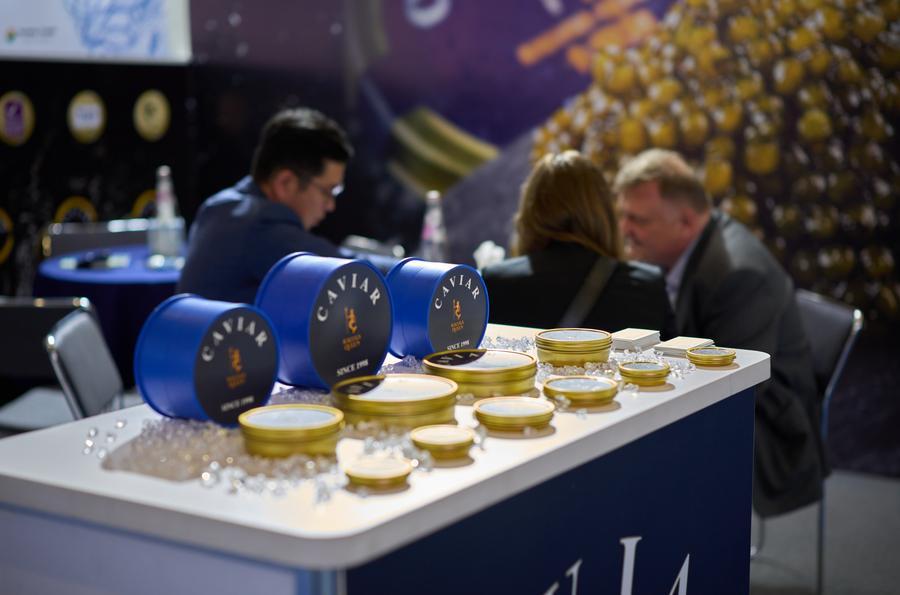
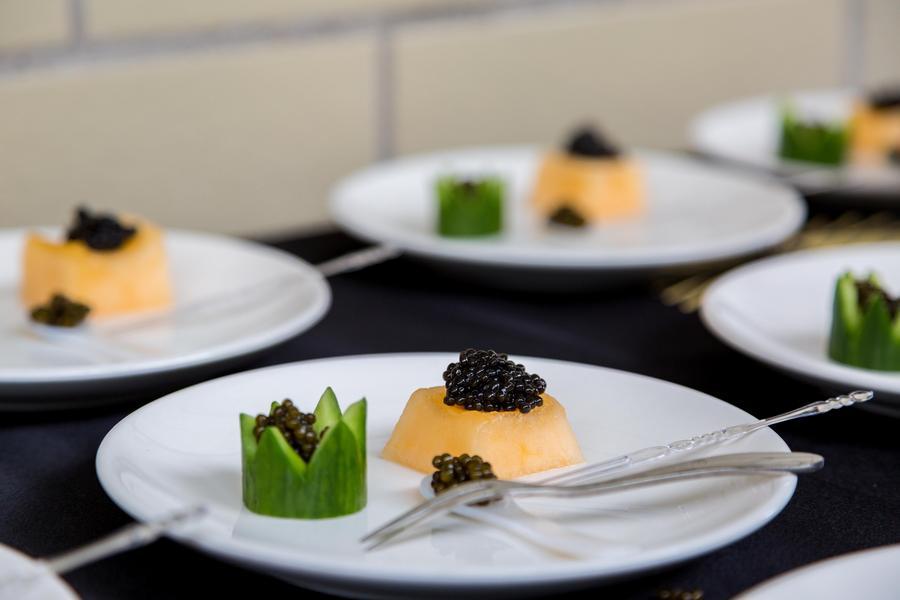
Think caviar only comes from the Caspian Sea? Think again. Today, China supplies 60 percent of the world's caviar. Apart from the Qiandao Lake in east China's Zhejiang, other provinces such as Yunnan and Sichuan have rapidly developed caviar industries. With streamlined global supply chains, caviar produced in China can now be delivered swiftly from customs to restaurants around the world, supplying markets in the United States, Germany, France, Italy, Belgium and many other countries. If you've enjoyed this delicacy at a Michelin restaurant or as a first-class passenger aboard a Lufthansa flight, you've likely tasted the result of China's precise, high-tech aquaculture.

II. MATCHA
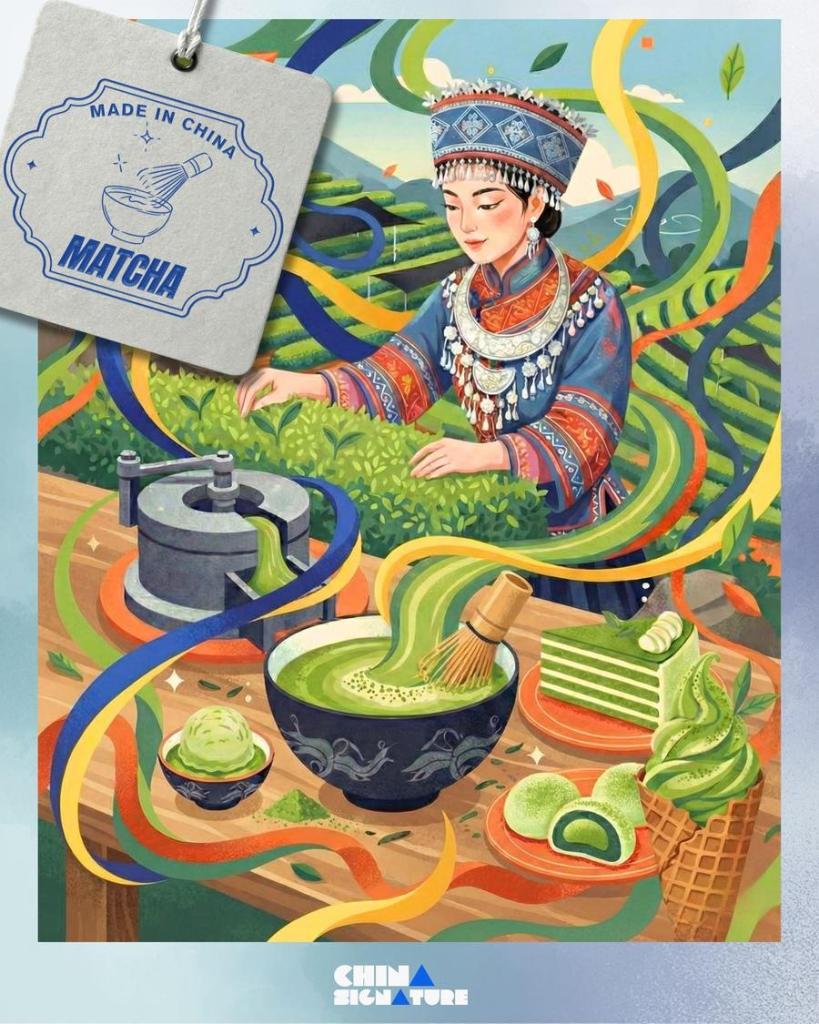
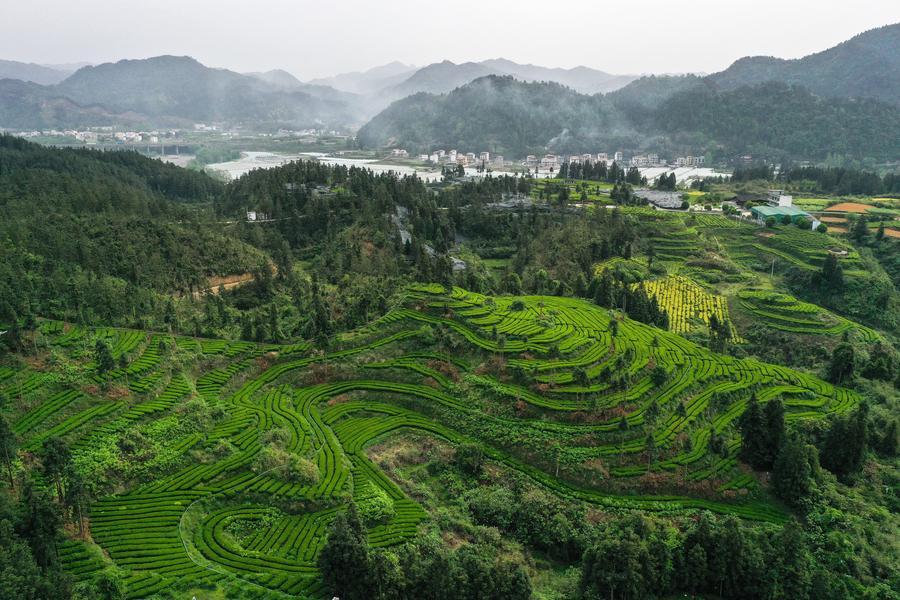
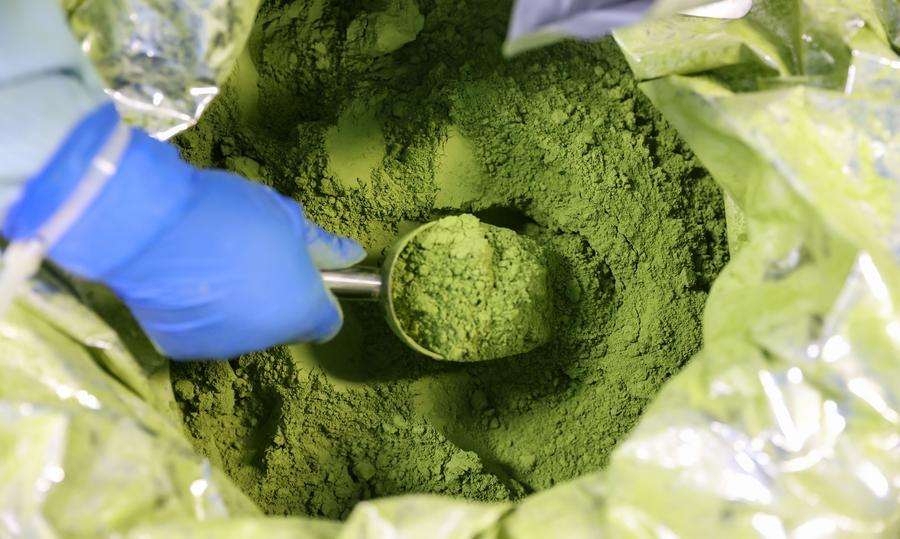
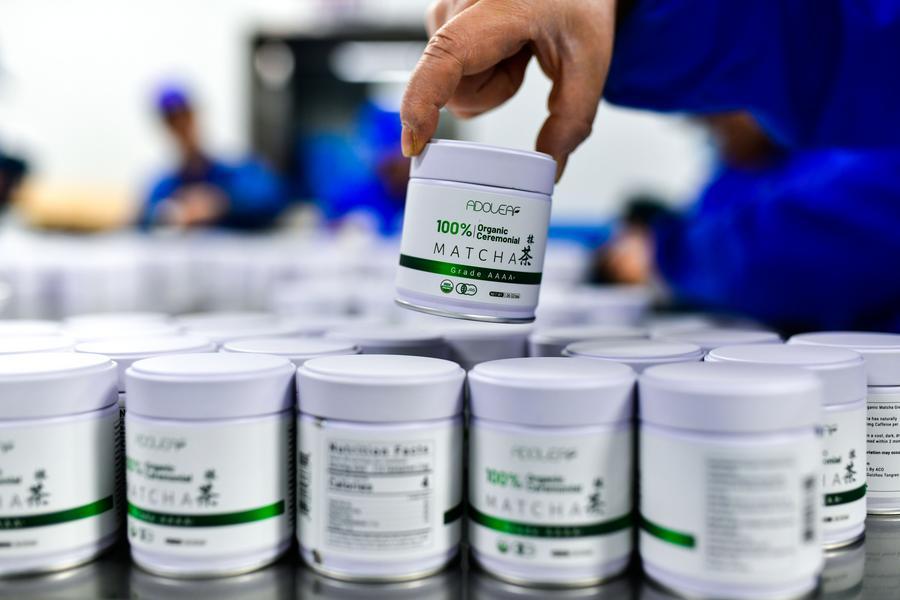
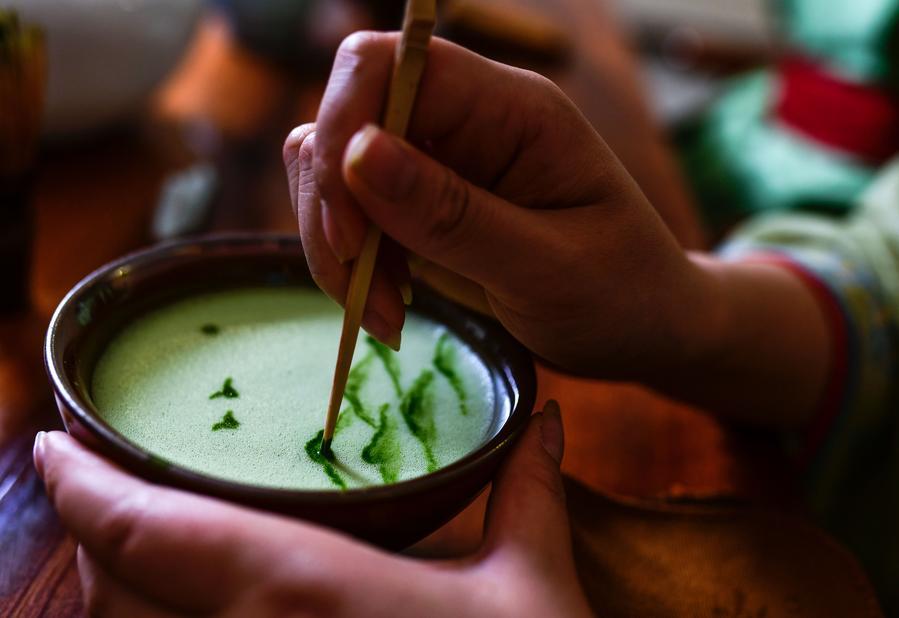
Your favorite matcha latte has deep roots. While popularized by Japan, the origins of powdered tea trace back to ancient China. Today, China is the largest matcha producer in the world. By the end of 2025, China's total production is projected to exceed 5,000 tonnes. Leading this charge is the mountainous province of Guizhou. It alone accounts for one-fourth of the national output, shipping this "green gold" to over 40 countries.
III. EYE GLASSES
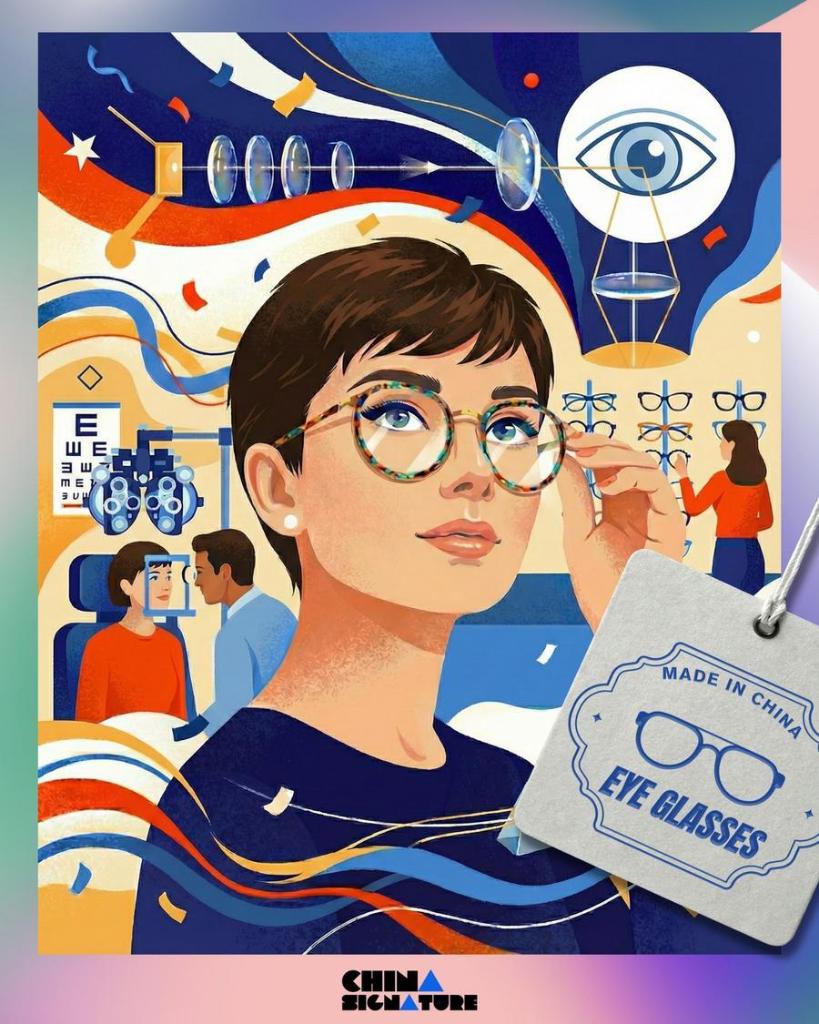
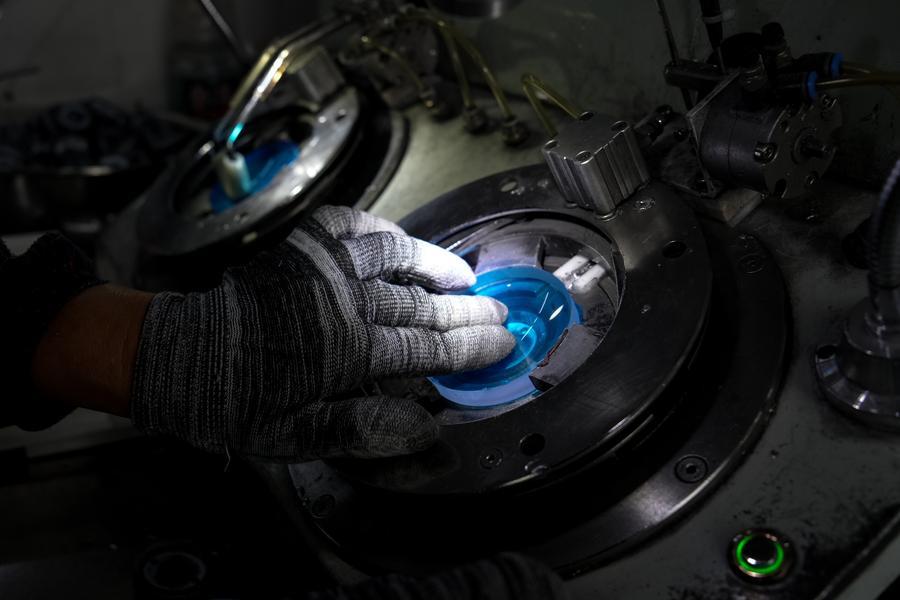
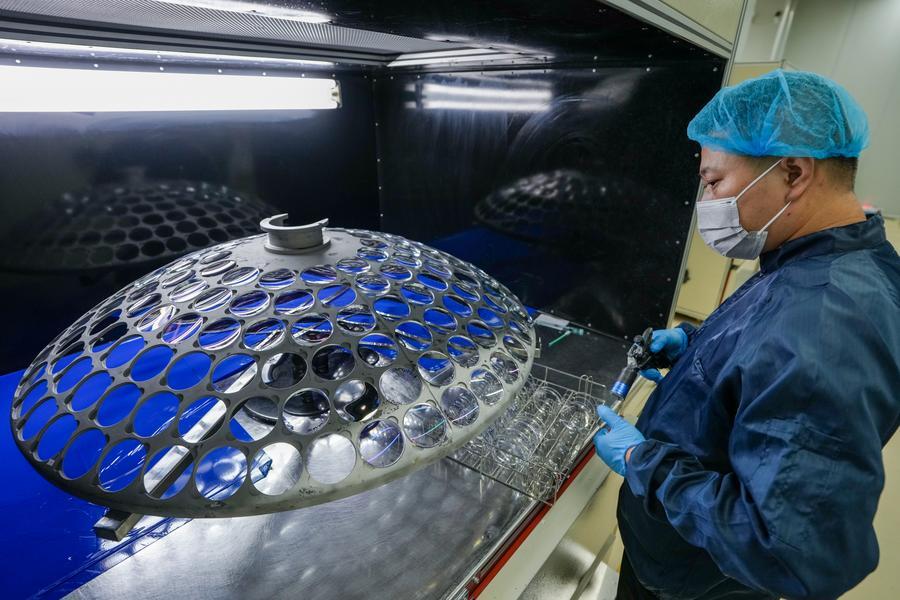
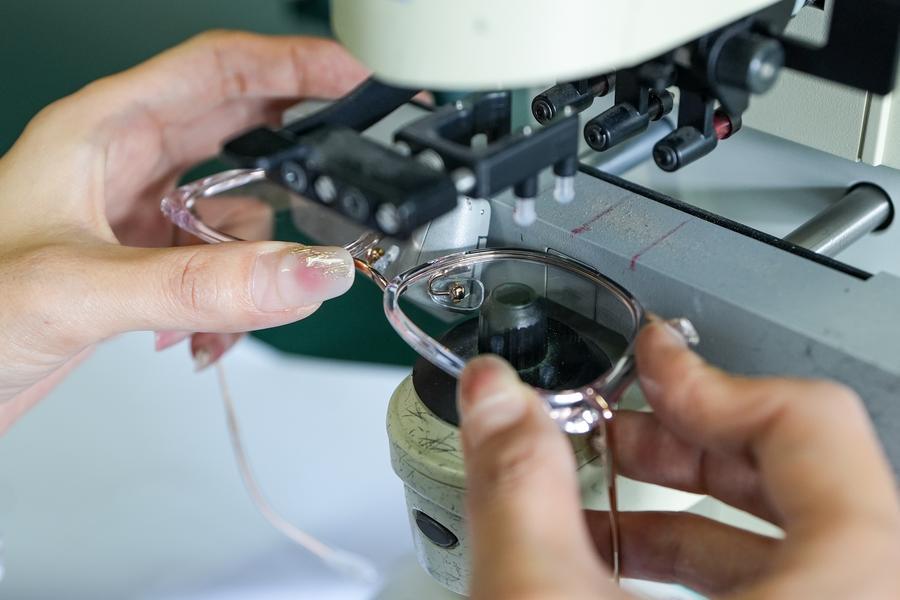
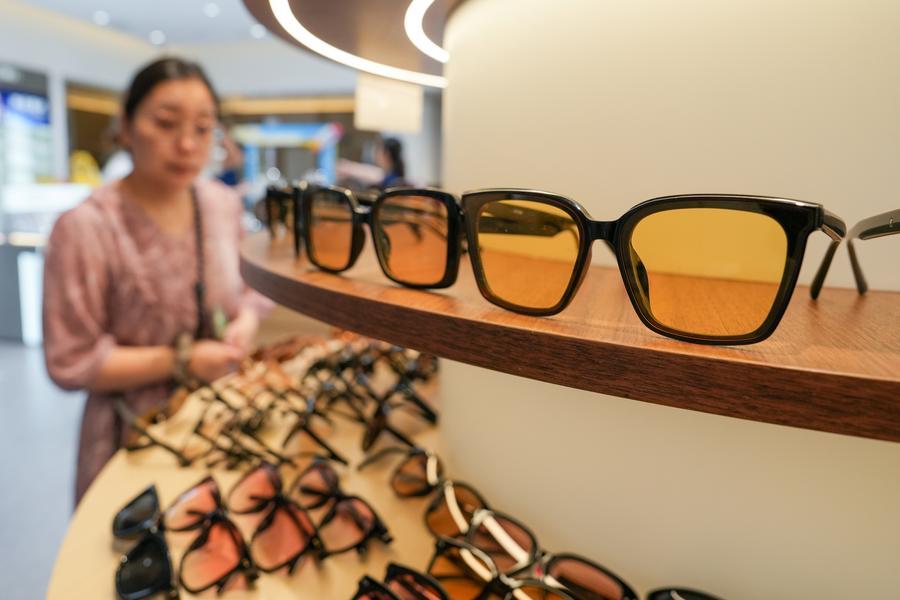
Adjust your glasses. There is a 50% chance the lenses you are looking through right now were made in Danyang, east China's Jiangsu Province. This city produces 800 million spectacle lenses, accounting for half of the world's annual output. The products are shipped to destinations around the world, reaching markets in Japan, South Korea, Southeast Asia, as well as Europe and the Americas.
IV. LAB-GROWN DIAMOND
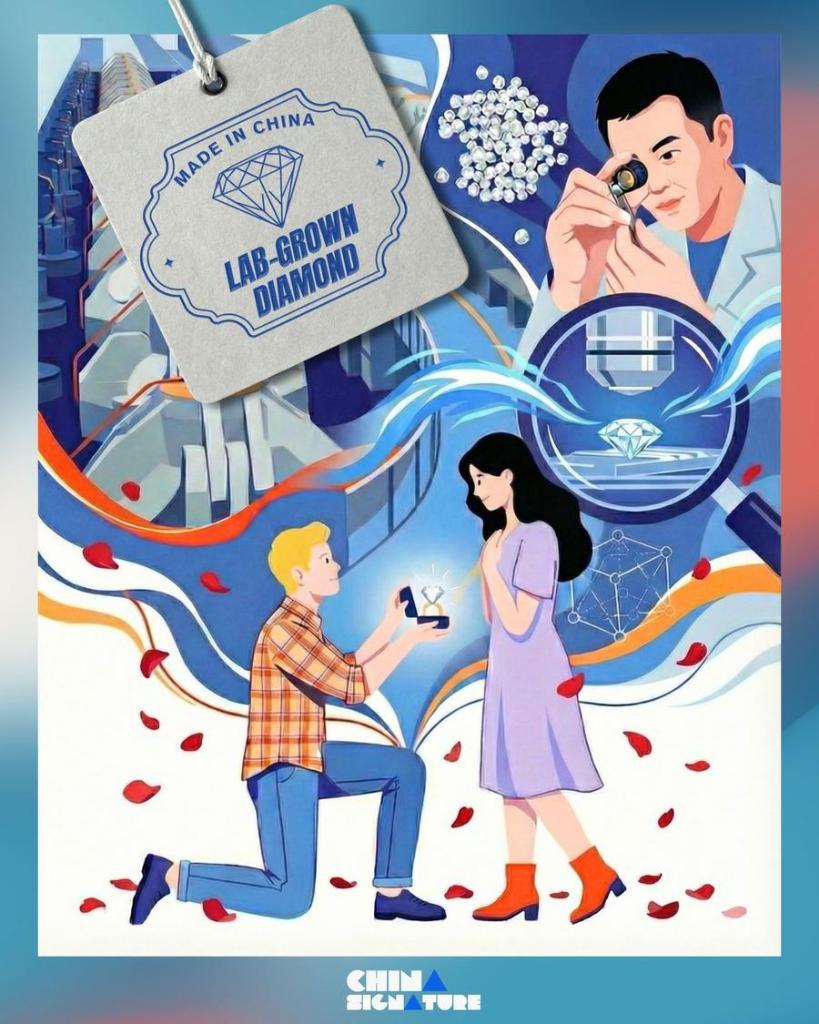
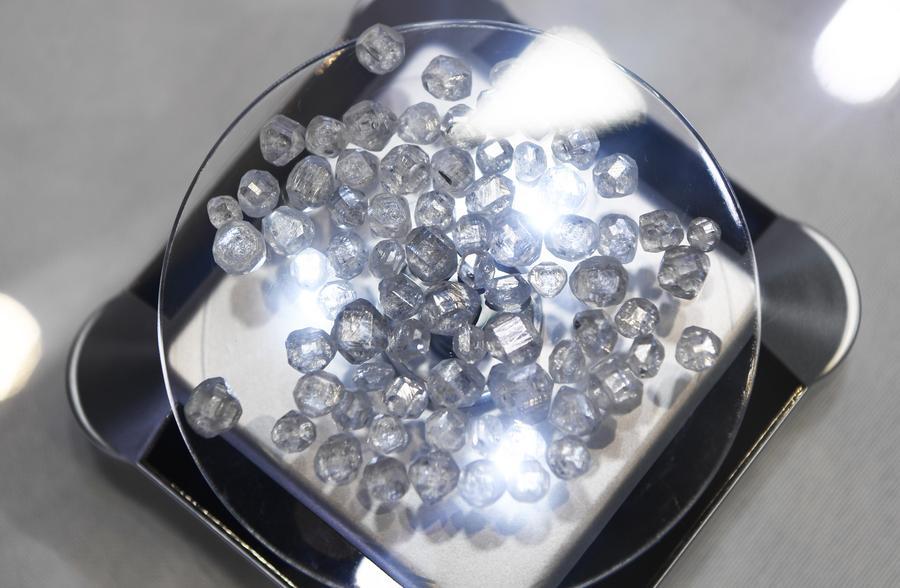
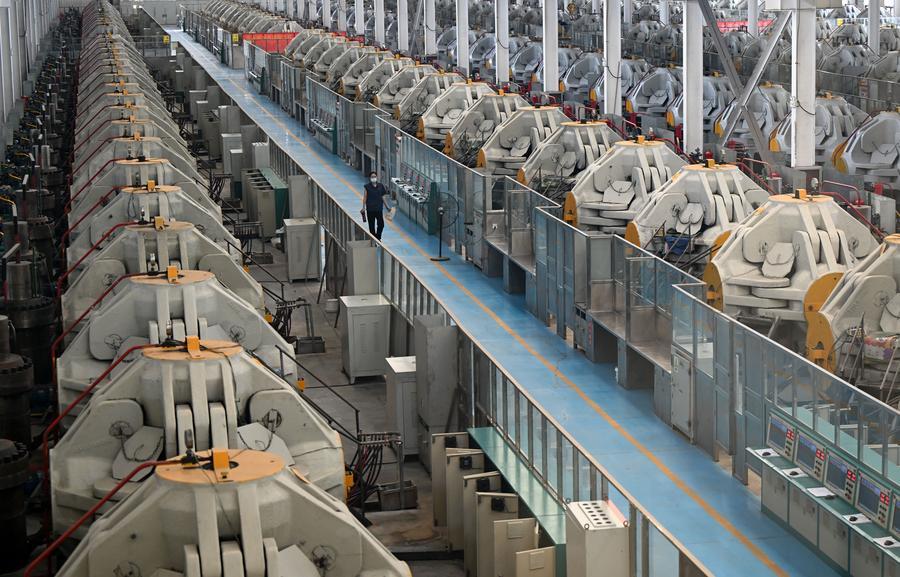
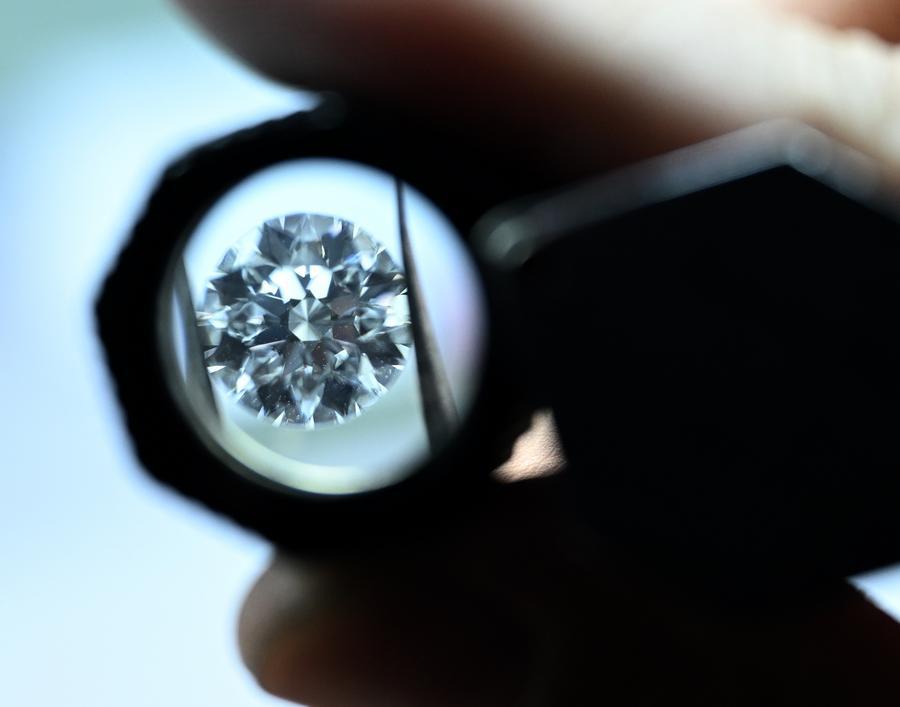
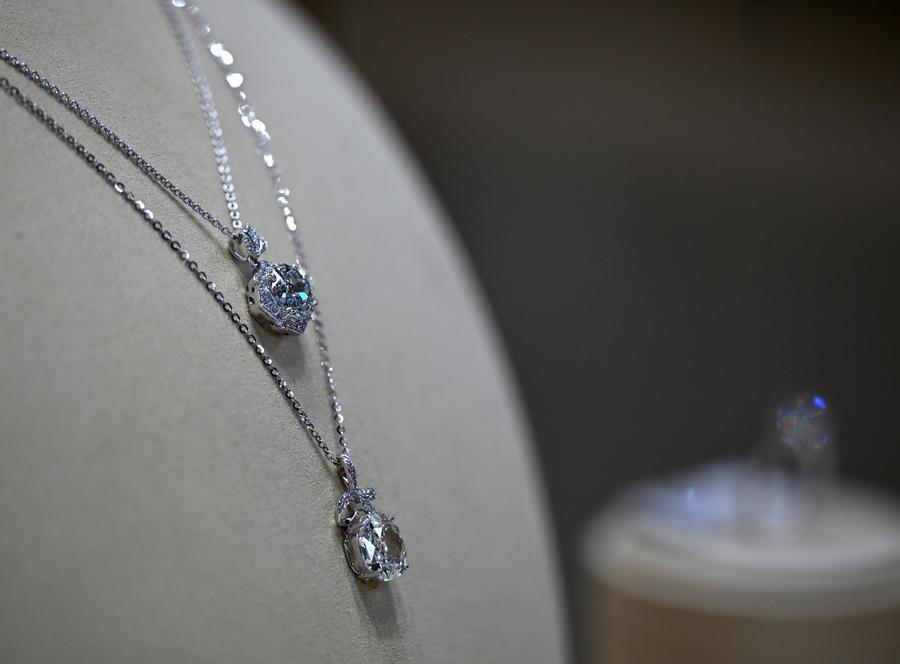
A diamond is forever, but it doesn't have to cost the Earth. In central China's Henan Province, graphite pillars are transformed into high-purity diamonds in just 7 to 15 days. These stones are chemically identical to mined diamonds but often boast higher clarity at a fraction of the cost. The scale of this "super-hard" industry was proven recently when a Henan company grew a record-breaking 156.47-carat rough diamond, certified as the largest known lab-grown single crystal globally. This power has a dual impact: it democratizes romance by making diamond more affordable, while simultaneously supplying the core material for high-tech semiconductors and aerospace optics.
V. TRENDY TOYS
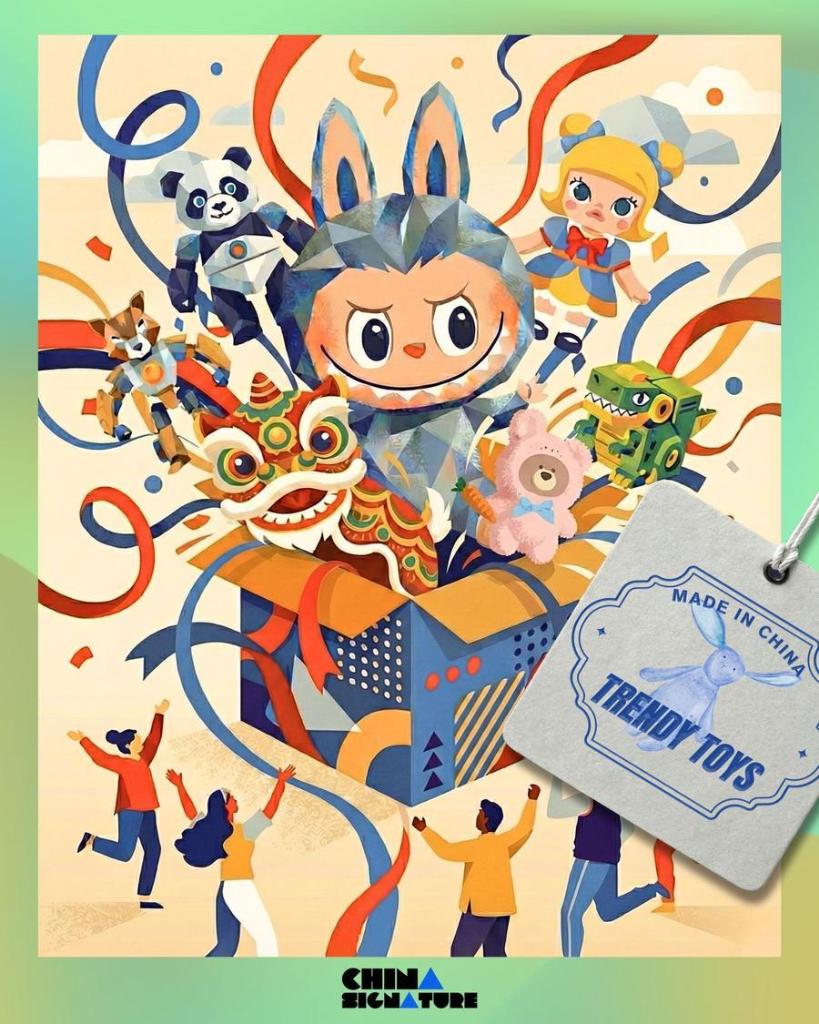
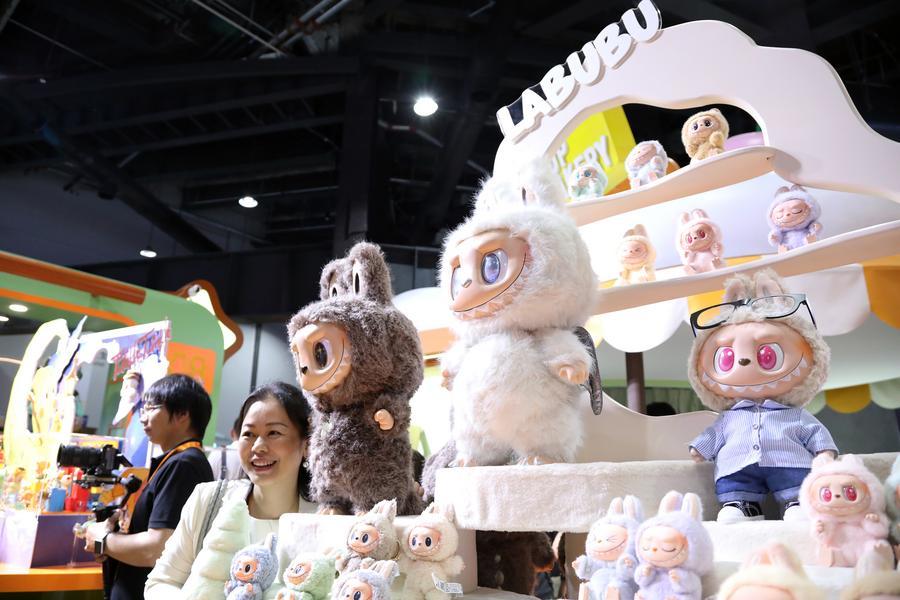
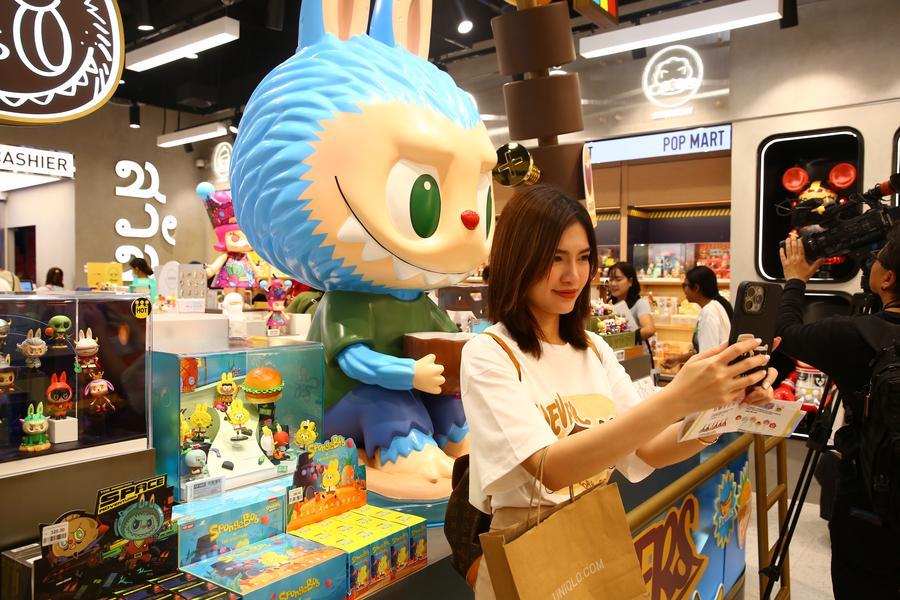
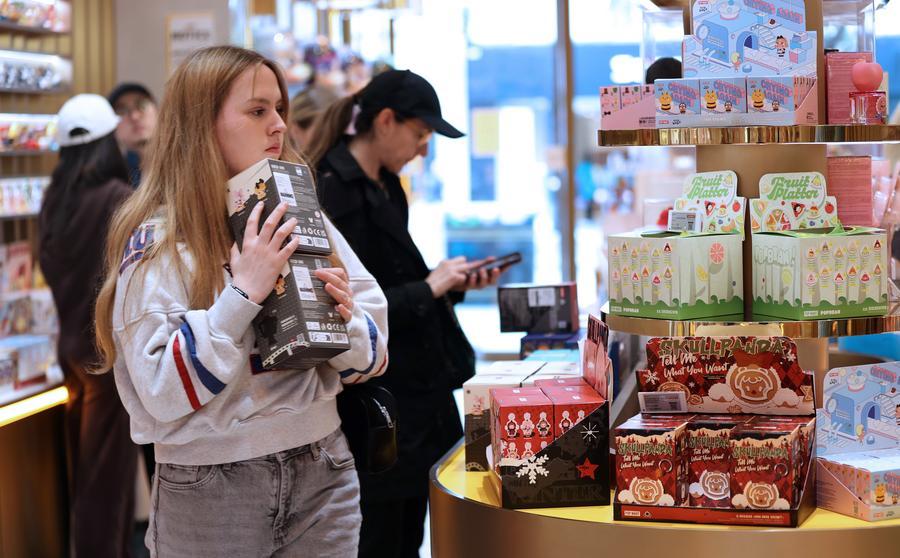
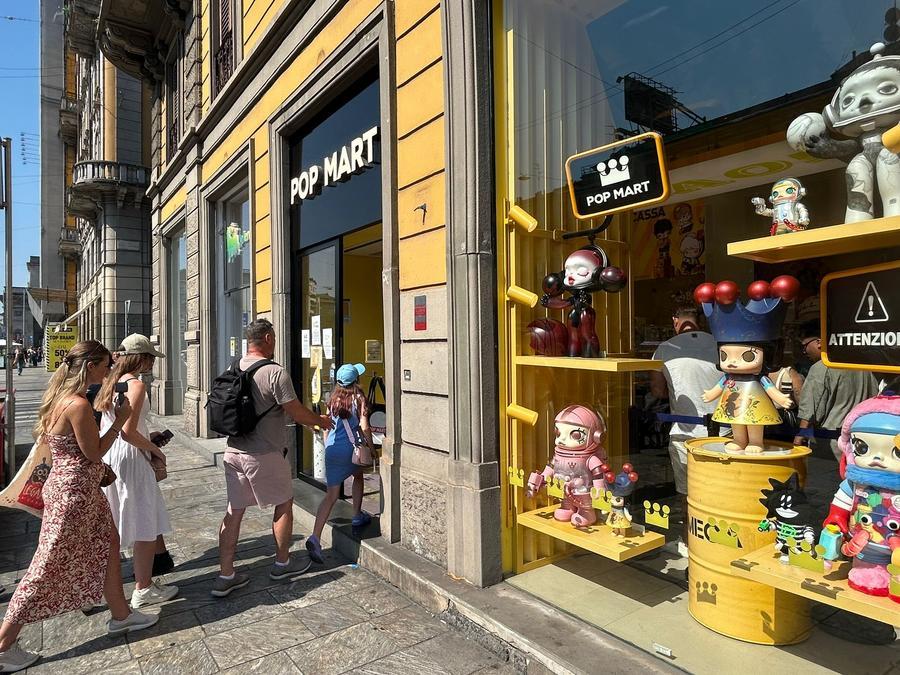
What's hanging on your bag? If it's a Labubu or a Crybaby, you are part of a global tribe. Celebrities such as David Beckham have also shared Pop Mart toys on social media. Driven by products such as Labubu, Pop Mart's overseas revenue in the third quarter of 2025 grew by 365%-370% year-on-year. By the first half of 2025, Pop Mart had opened over 550 offline stores worldwide, reaching countries and regions including the UK, France, and Thailand.
The success of Chinese trendy toys in the global market is closely linked to China's position as the world's largest toy producer and exporter. Data shows that in March 2025, China's toy exports (excluding games) totaled 3 billion U.S. dollars, up 6.4% year-on-year. The trendy toy industry is expected to surpass 110 billion yuan (around 15.3 billion U.S. dollars) in 2026. These art toys have transcended "play" to become high-fashion collectibles and social currency for the youth. Emotional value is the new product value.
VI. CLEANING ROBOT
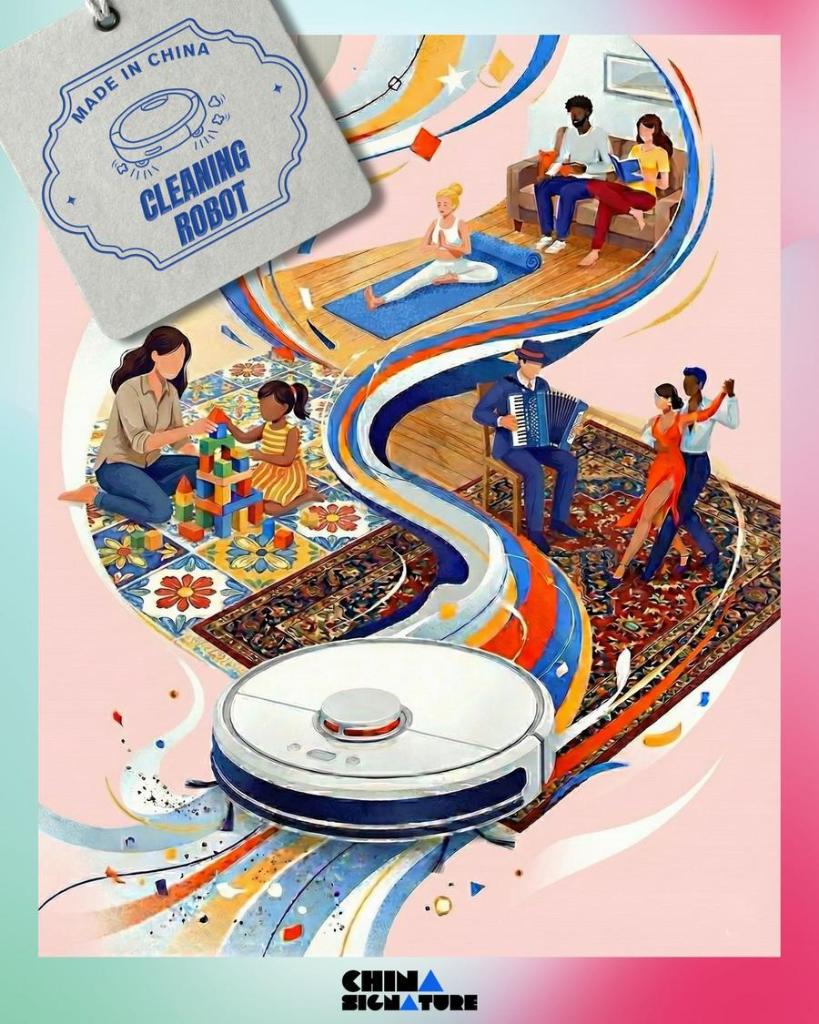
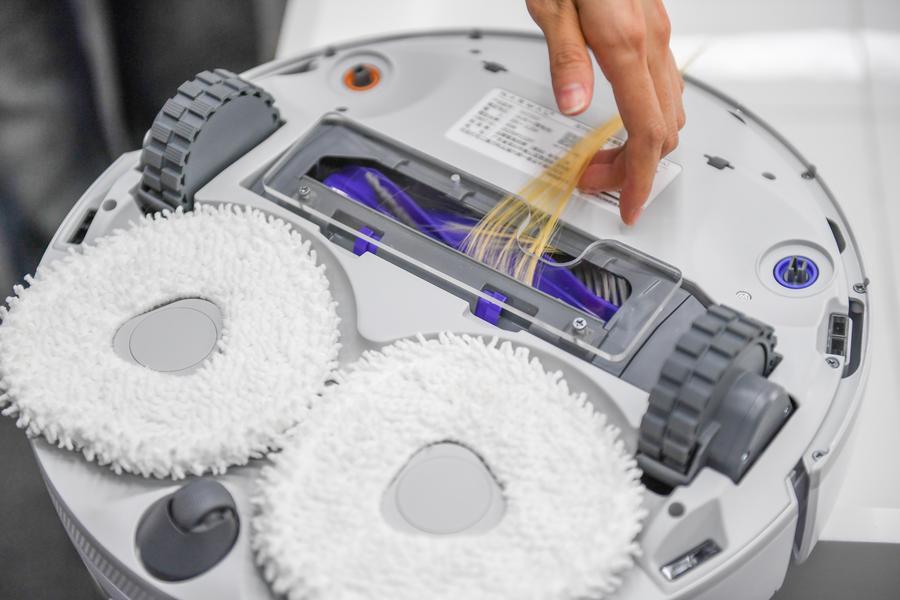
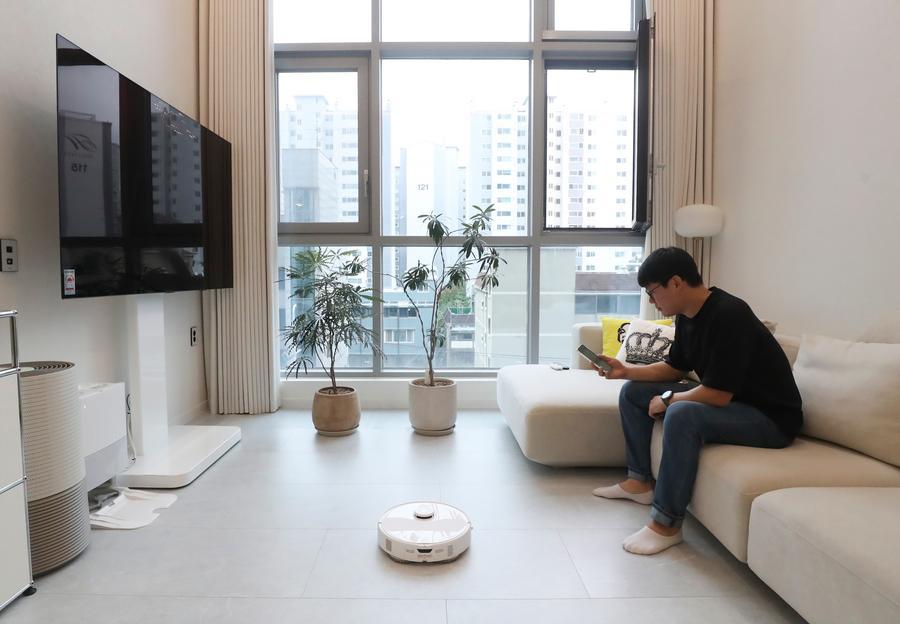
While you focus on yoga, reading, or just dancing in your living room, a smart cleaning robot is mapping your floor with LiDAR technology. It's not just a vacuum; it's an autonomous robot. Chinese companies have turned this gadget from a "clumsy bumper car" into an intelligent home essential.
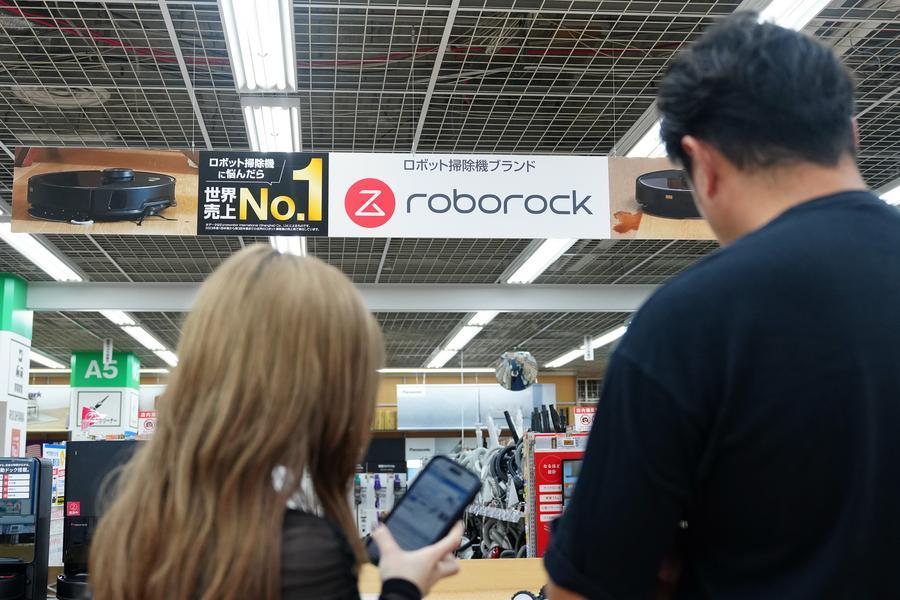
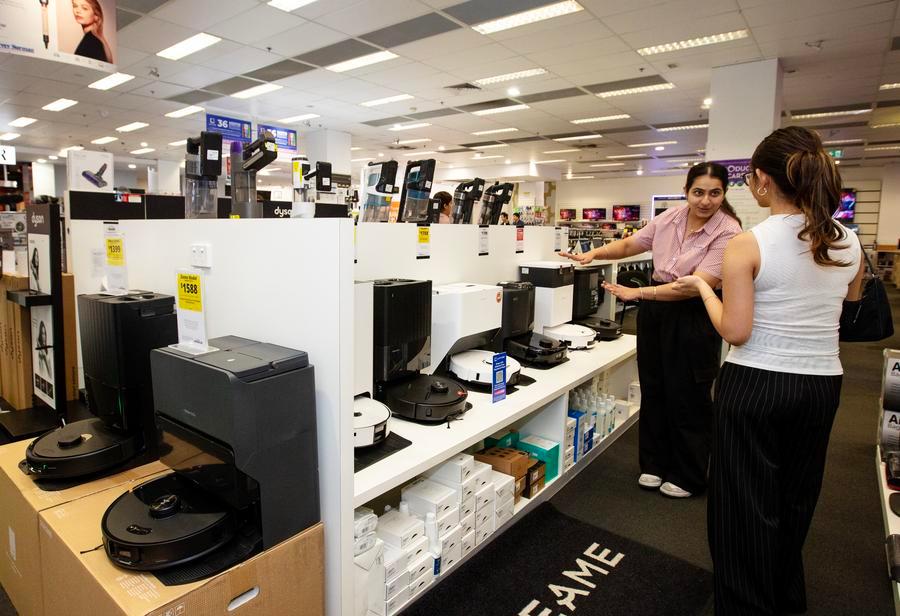
During the first three quarters of 2025, the top five global shippers of robot vacuums--Roborock, Ecovacs, Dreame, Xiaomi, and Narwal -- were all Chinese brands. Take Roborock as an example. According to data from market research firm International Data Corporation, it holds a dominant position in South Korea's robot vacuum cleaner market with a share of over 50%. Roborock's robot vacuum cleaners are not only leading in South Korea but are also rapidly expanding across other parts of the Asia-Pacific region. The dominance of Chinese brands in the global market is supported by strong domestic demand, with shipments in China rising 27.2% to reach 4.63 million units.
Perhaps a significant indicator of this industry shift involves iRobot, the U.S. pioneer of the category. Following its bankruptcy filing in December, the company is set to be 100% acquired by China's PICEA, its primary contract manufacturer, by February 2026.
VII. NEW ENERGY VEHICLE
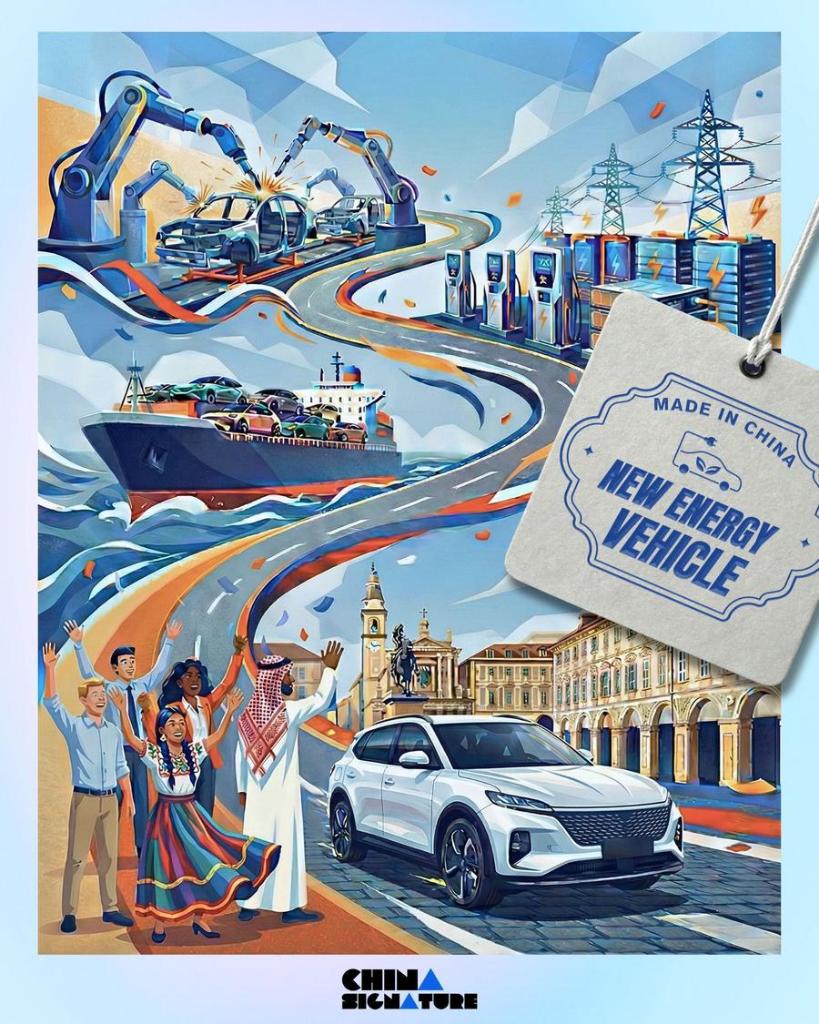
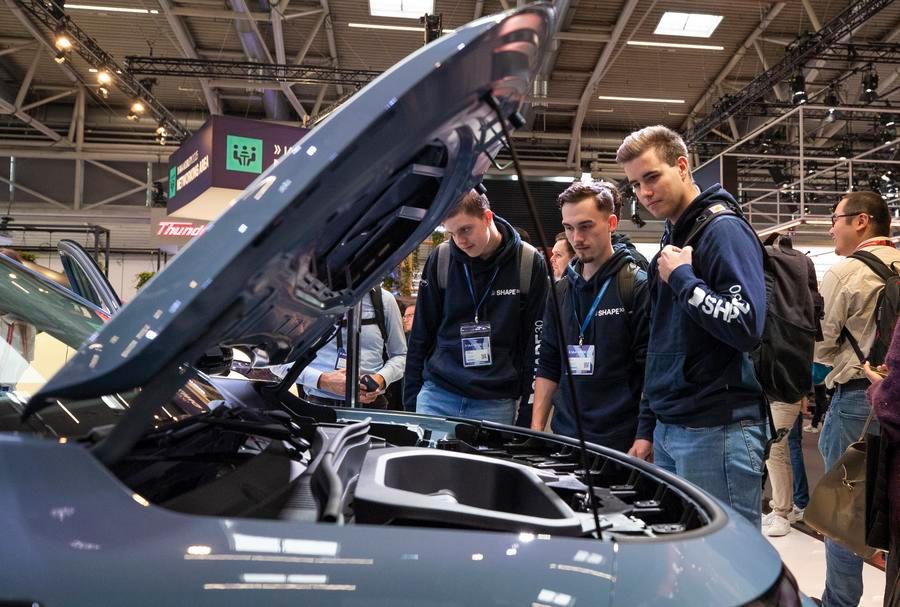
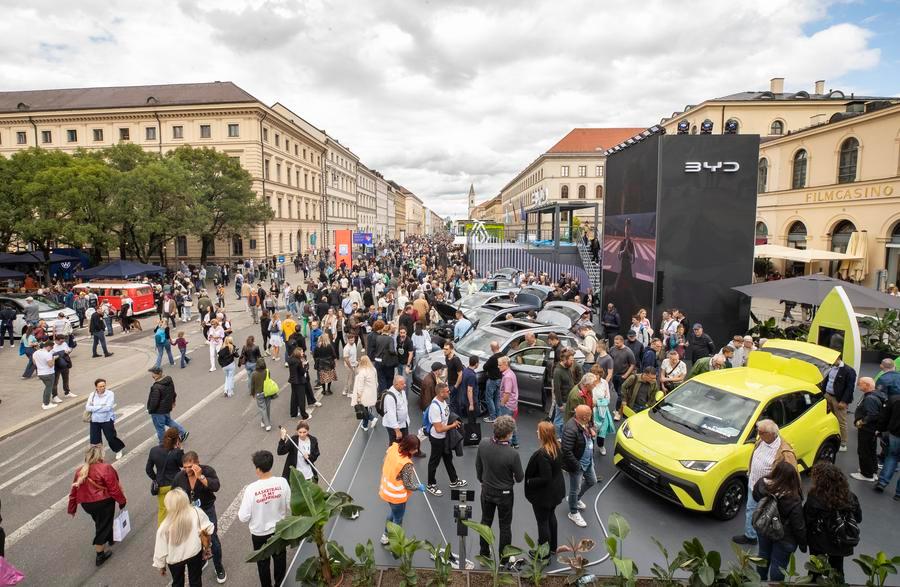
Sleek designs, intelligent cockpits, and battery tech that pushes boundaries. Chinese EVs are no longer just options; in many markets, they are the trend-setters. From the battery cells to the AI-assisted driving, the entire supply chain has been reshaped.
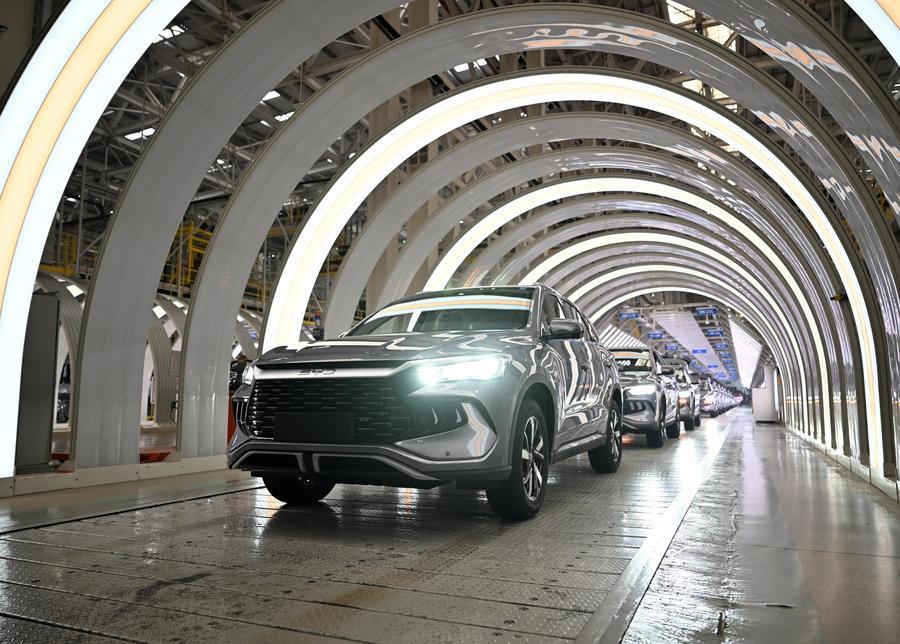
In the first 11 months of 2025, China produced 14.9 million new energy vehicles. Globally, China remains the primary producer, accounting for 72% of total EV output in the first half of the year.
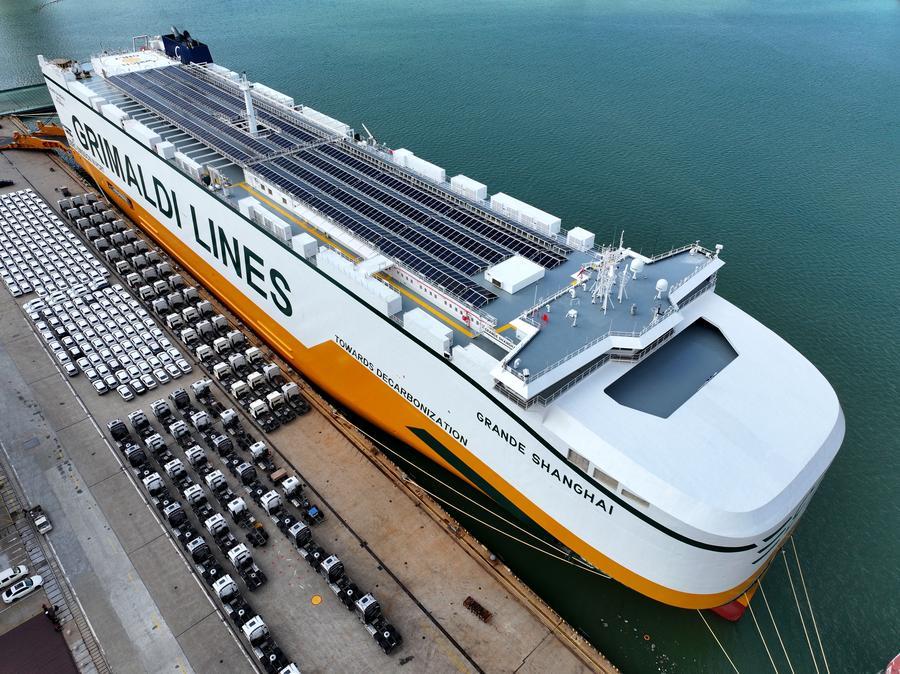
International demand is also rising. Exports doubled year-on-year to reach 2.3 million vehicles by November. Beyond vehicle assembly, China supplies the core technology for the industry, providing 70% of the world's battery materials and 60% of its power batteries by the end of 2024.
VIII. VIDEO GAME
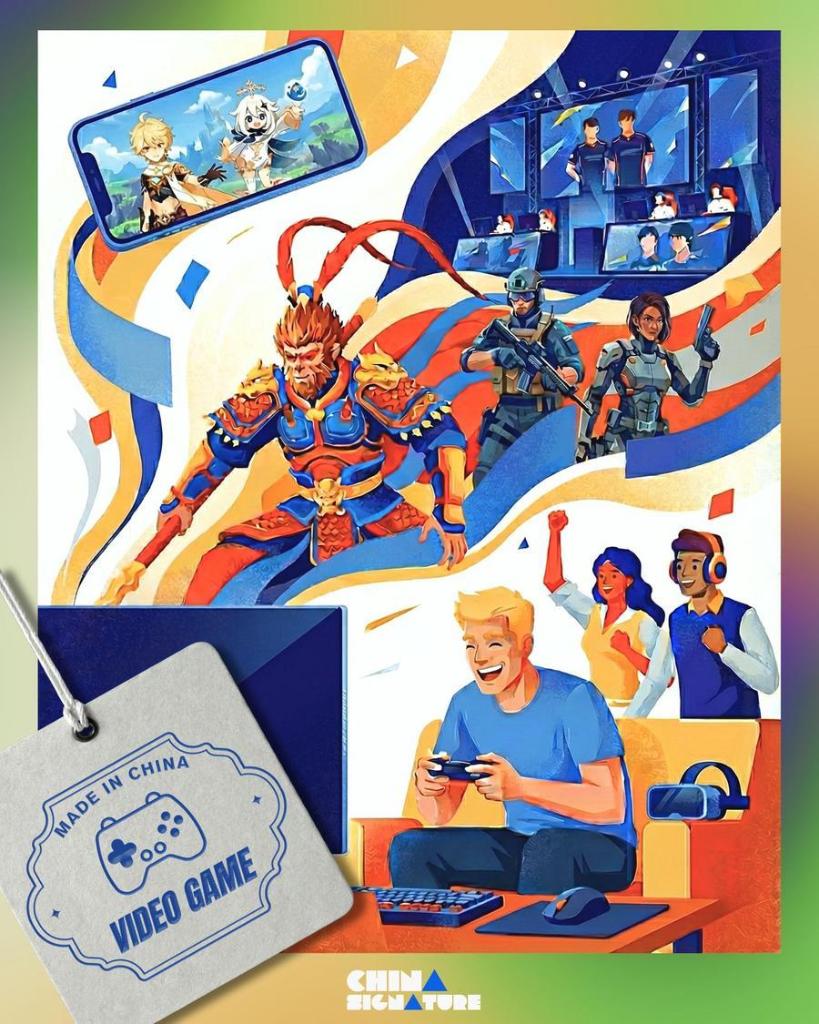
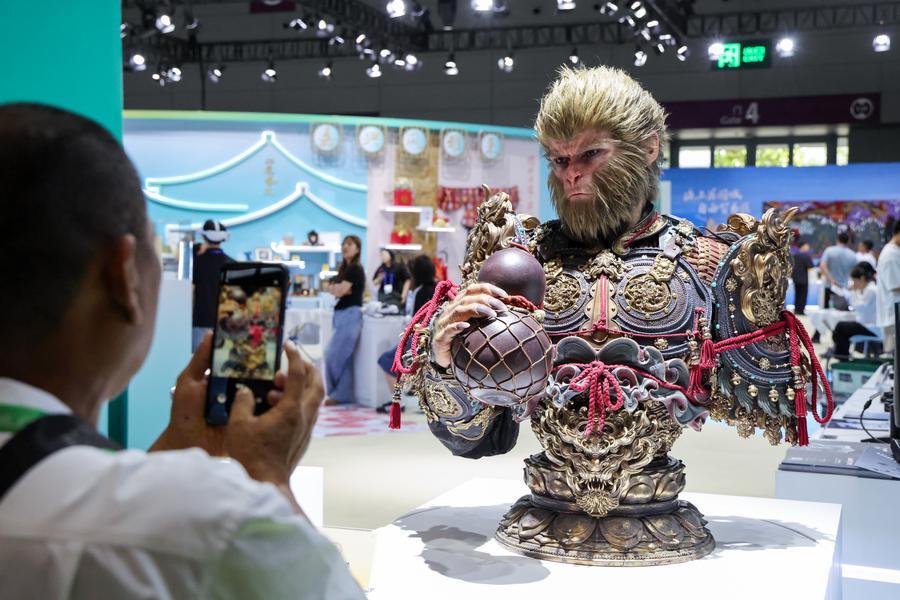
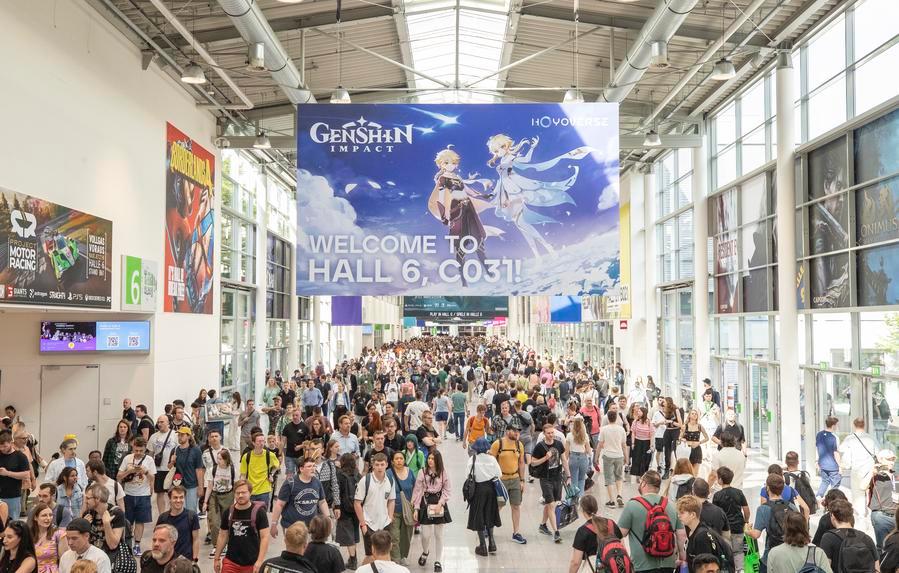
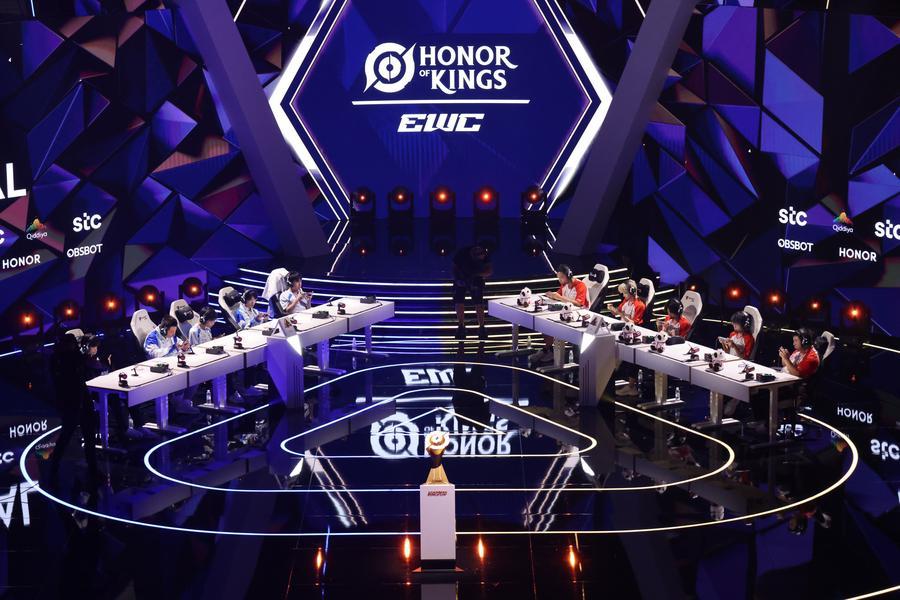
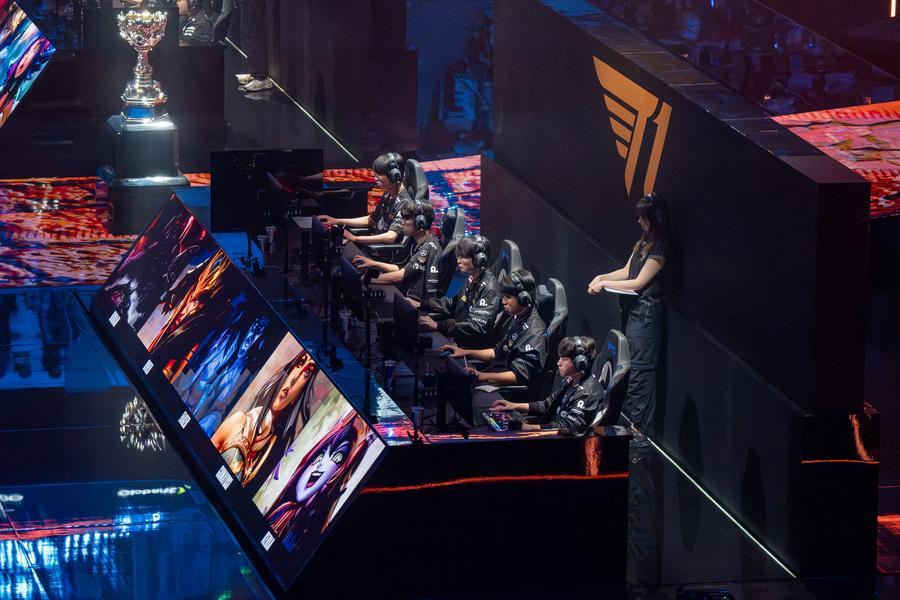
The influence of Chinese gaming now conquers both the screen and the real world. On screen, it is a cultural phenomenon. "Black Myth: Wukong" smashed records with 28 million copies sold in just six months, prompting global players to read the classic "Journey to the West." Along with hits like "Genshin Impact" and the chart-topping "Delta Force," Chinese developers have shifted from "technical followers" to creating a global "cultural ecosystem."
In the real world, it is a massive spectator sport. The KPL 2025 Finals at Beijing's National Statium (Bird's Nest) set a Guinness World Record with 62,196 live attendees. With China hosting the world's top three esports tournaments and a user base approaching 493 million, this is now a 168-billion-yuan industry (in the first half of 2025) that is rewriting the rules of digital entertainment.
IX. ARTIFICIAL INTELLIGENCE
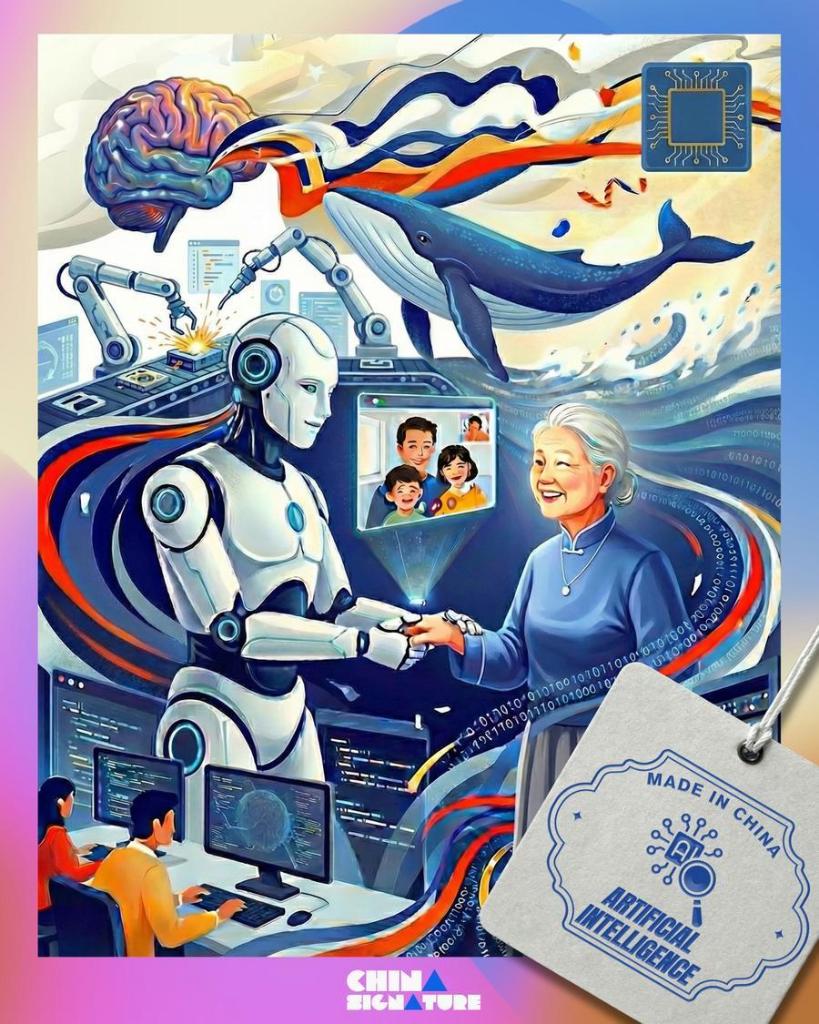
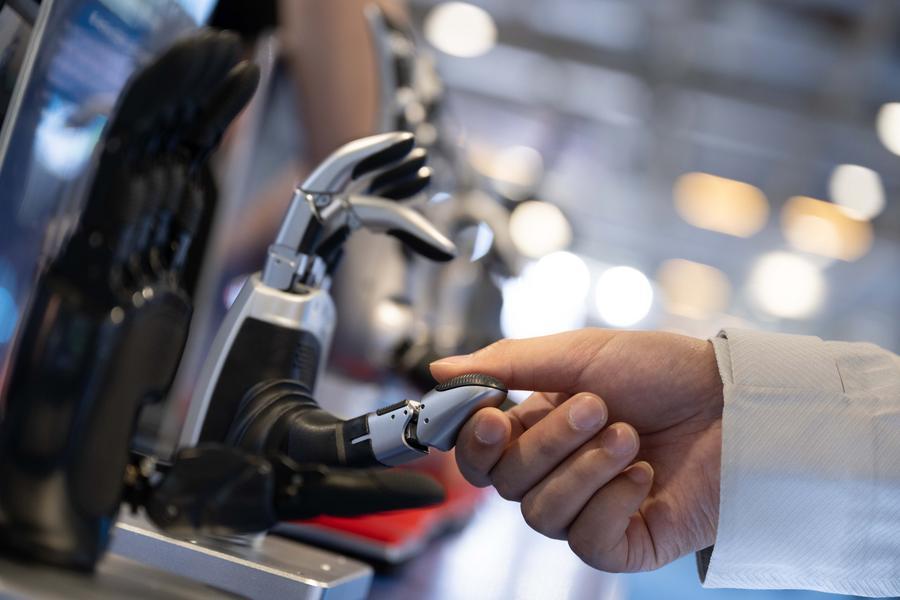
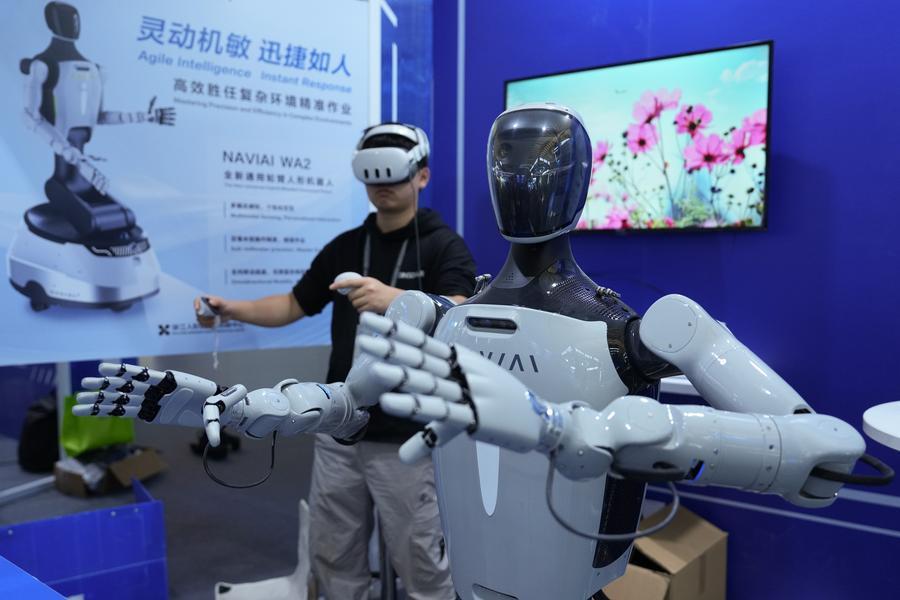
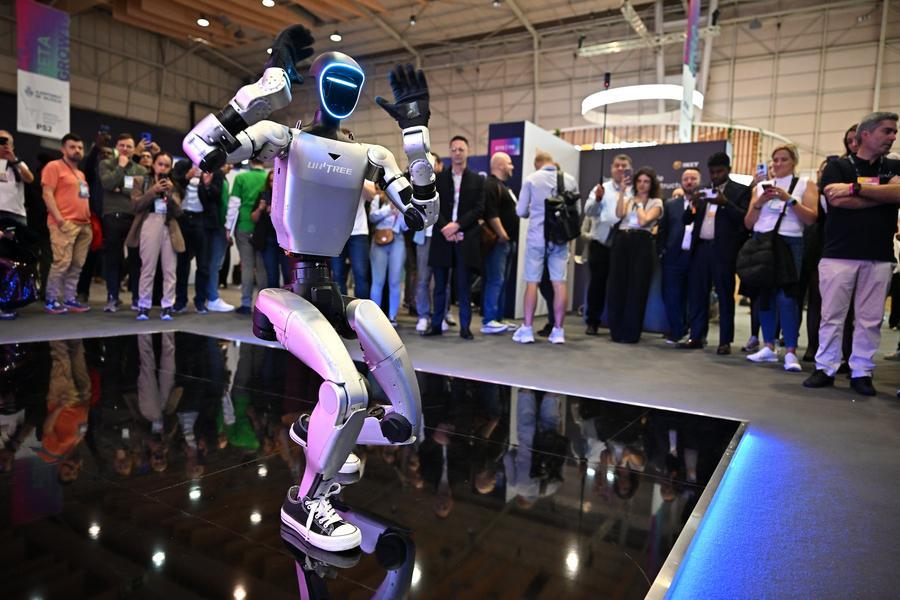
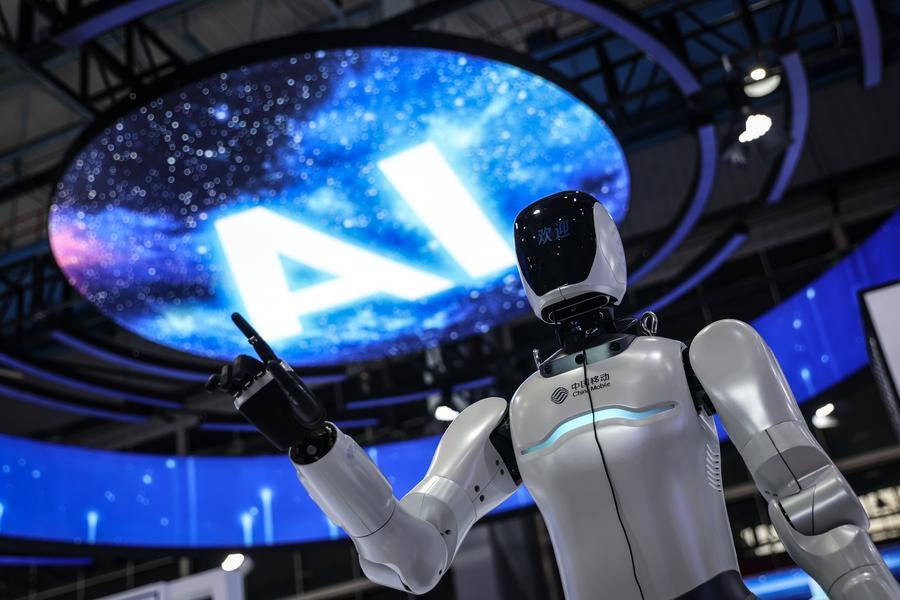
Beyond the code and algorithms, next-gen AI in China is focusing on application. Whether it's smart elderly care, automated ports, or bridging the digital divide, the goal is practical solutions for real-world problems.
As of mid-2025, Generative AI in China isn't a niche toy; it is a daily utility for 515 million users, a number that doubled in just six months. This explosion is powered by a 1.2 trillion yuan industry foundation. With 1,509 large models (ranking top globally) and computing power surging to 1,037 EFLOPS, China has built a robust AI ecosystem. It is this invisible engine that turns complex code into simple, caring solutions for everyone.
***
Story
Li Mangmang, Hu Jingwen, Sui Shangjun
Visual design
Li Mangmang
*Some illustrations are created with the assistance of AI
Photos
Li Like, Meng Dingbo, Yang Wenbin, Lyu Shuai, Li Bo, Zhang Haoran, Li Jianan, Hou Jun, Sun Weitong, Li Ying, Michele Novaga, Mao Siqian, Jia Haocheng, Ma Ping, Yao Qilin, Wang Chun, Zhang Fan, Liang Xu, Luo Chen, Xue Chen, Huang Zongzhi, Pan Yulong
CHINA SIGNATURE STUDIO■