
BEIJING, Dec. 22 (Xinhua) -- The world today is experiencing its most profound turbulence and transformation since the end of the Cold War. With growing deficits in peace and security, global security governance faces severe challenges. The international community urgently needs security visions and approaches that are in tune with the spirit of the times.
The Global Security Initiative (GSI) has emerged in response to the current situation, aligning with the shifting international landscape through the concept of unity, and addressing security challenges with a win-win approach. It is dedicated to eliminating the root causes of international conflicts and improving global security governance.
Looking back at the course of human development, the pursuit of absolute security through strength and the creation of an exclusive security framework is, at its core, a form of the "law of the jungle." History has repeatedly proven its dangers. The horrific devastations of the two World Wars, as well as regional instability caused by hegemonic competition, all stemmed from the obsessive pursuit of absolute security and the brutal application of the law of the jungle. Nations that exploit others and bully the weak ultimately face either a vicious cycle of security dilemmas or are swept away by the tides of history.
Looking at the present, this rigid security doctrine based on the law of the jungle is already out of step with the trends of the times. In today's world, economic globalization is deepening, with the interests of countries closely intertwined and their fates shared. The interconnectedness, transnational nature, and complexity of security issues are becoming increasingly evident, and no country can remain isolated. Attempts to violate the purposes and principles of the United Nations Charter, disregard the collective will of the international community, and unilaterally pursue absolute security are movements against the tide of history.
As Chinese President Xi Jinping has noted, the Cold War mentality would only wreck the global peace framework, hegemonism and power politics would only endanger world peace, and bloc confrontation would only exacerbate security challenges in the 21st century. This important observation offers profound insights on the root causes of the global security predicament.
The GSI is underpinned by "six commitments," specifically, commitment to the vision of common, comprehensive, cooperative and sustainable security; respecting the sovereignty and territorial integrity of all countries; abiding by the purposes and principles of the UN Charter; taking the legitimate security concerns of all countries seriously; peacefully resolving differences and disputes between countries through dialogue and consultation; and maintaining security in both traditional and nontraditional domains.
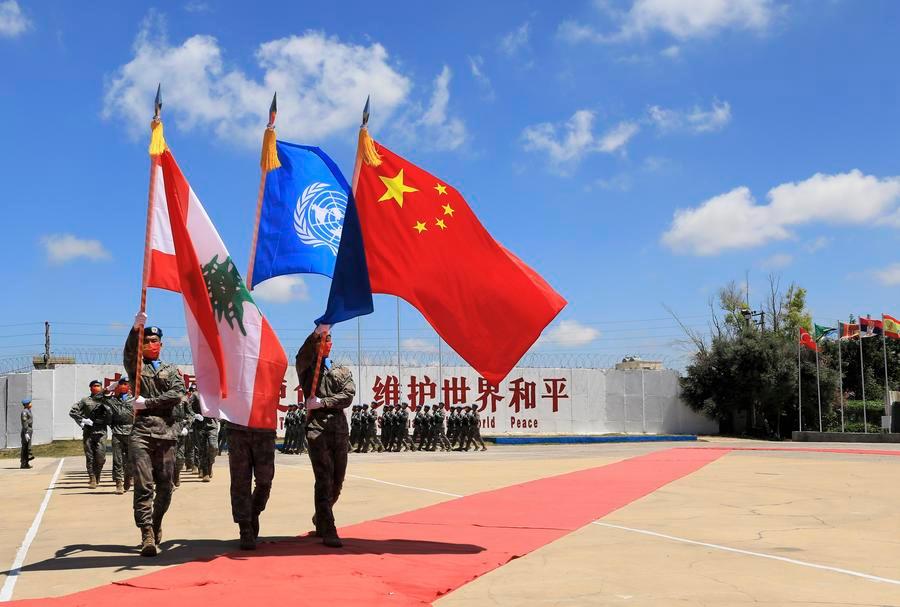
In the traditional security domain, China has actively promoted the political settlement of hotspot issues and is the largest contributor of peacekeeping personnel among the permanent members of the UN Security Council.
In non-traditional security domains, China has participated in and often led multilateral cooperation on counter-terrorism, drug control and public health security. It has also carried out numerous humanitarian assistance programs, addressing emerging global threats through collaboration.
In regional security cooperation, China has leveraged platforms such as the Shanghai Cooperation Organization and the Conference on Interaction and Confidence-Building Measures in Asia to steadily contribute to regional stability.
Committed to building a more balanced, effective and sustainable security architecture, China, together with other countries, is pursuing a new path of security based on dialogue rather than confrontation, partnership rather than alliances, and win-win cooperation rather than zero-sum outcomes.
When multilateralism becomes the defining feature of global security governance and consultation on an equal footing becomes the shared choice of all countries to address security concerns, humanity will surely embark on a bright path toward lasting peace and universal security. The tide of peace and development is destined to surge forward.■