BEIJING, Dec. 22 (Xinhua) -- At present, some countries pursue unilateralism and protectionism, clinging to theories of the "clash of civilizations" and "civilizational superiority."
When estrangement between civilizations, cultural friction and confrontations over values fuel tensions and conflicts between nations, a range of issues usually break out -- ranging from widening development gaps and weakened international rules to growing disorder in global governance.
In response to these pressing challenges, the Global Civilization Initiative (GCI) offers a shared cultural foundation for countries to address their common struggles.
"The world we live in is diverse and colorful. Diversity makes human civilization what it is, and provides a constant source of vitality and driving force for world development," Chinese President Xi Jinping has said. This important statement provides guidance for answering the questions of how different civilizations should coexist and where human civilization is headed.
The GCI can be summarized with four common advocacies: to respect the diversity of civilizations, to uphold the common values of humanity, to attach importance to inheritance and innovation of civilizations, and to strengthen international people-to-people exchanges and cooperation.
While this initiative confronts misconceptions and prejudices, it promotes equality, mutual learning, dialogue and mutual accommodation between civilizations. It also opposes cultural arrogance, and seeks to create platforms for equal dialogues, enabling different civilizations to deepen their understanding of one another and advance through mutual exchanges and learning.
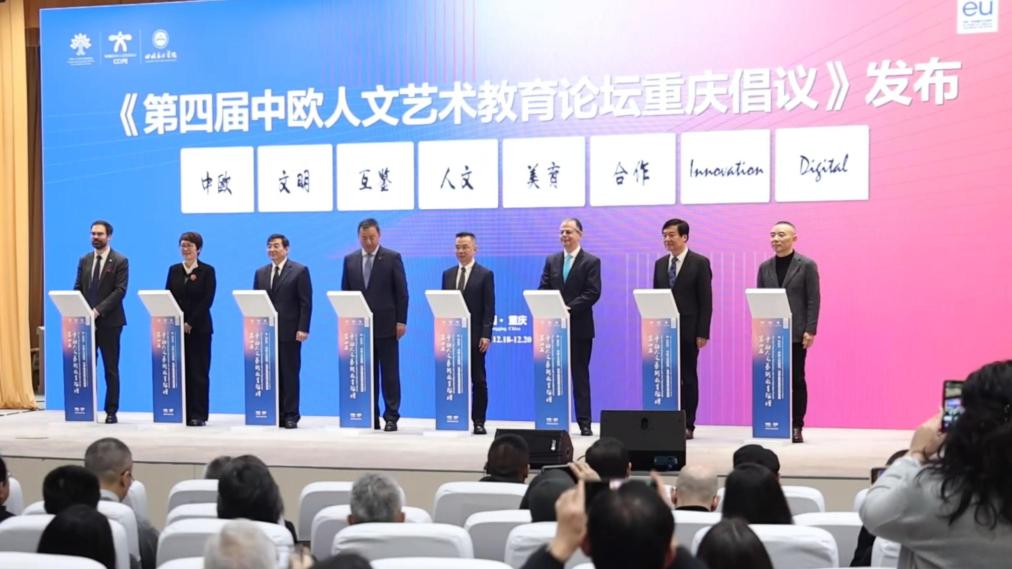
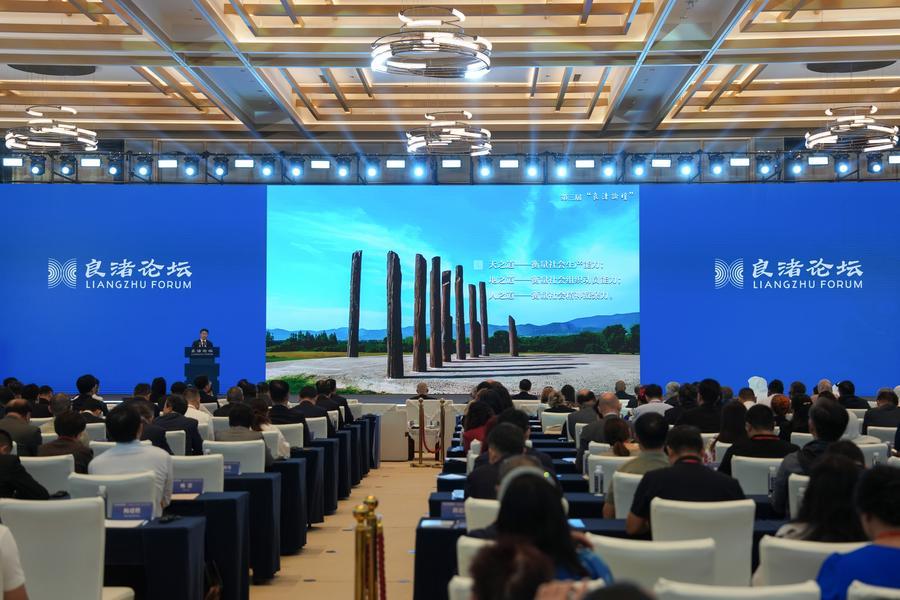
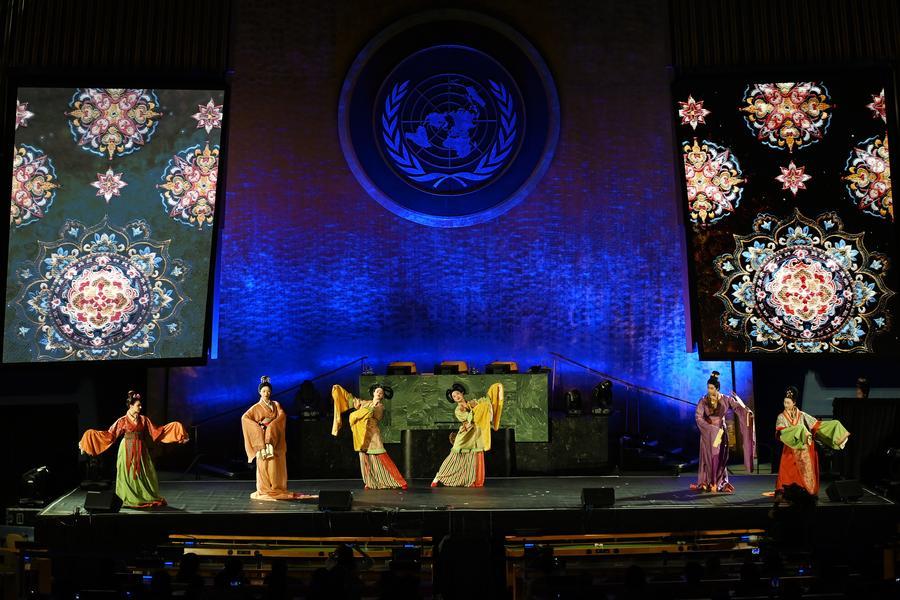
China holds deep respect for civilizational diversity and has been advancing deeper, more substantive exchanges among civilizations. The country has initiated and supported multilateral dialogue platforms, including the Conference on Dialogue of Asian Civilizations, the Liangzhu Forum, the World Conference of Classics, and the Global Civilizations Dialogue Ministerial Meeting. Additionally, China helped build consensus at the 78th session of the UN General Assembly to establish the International Day for Dialogue among Civilizations. In June 2025, China successfully hosted the first global event marking the International Day for Dialogue among Civilizations.
China has also expanded dialogue on governance and development through mechanisms such as the Communist Party of China in Dialogue with World Political Parties High-Level Meeting, the High-level Dialogue on Global Development, the China-EU Human Rights Dialogue, and the China-Latin America Human Rights Roundtable.
In addition, China has signed cooperation agreements with more than 100 countries in areas such as culture, cultural heritage and tourism, and has advanced cooperation in joint archaeology, world heritage protection and the mutual translation of classical works, safeguarding its own cultural roots while contributing to the preservation of humanity's shared heritage.
In an increasingly interconnected world, the coexistence, exchanges and mutual learning among civilizations are vital for advancing global modernization and enriching a diverse tapestry of world civilization. The GCI offers a framework for countries to pursue modernization paths that are grounded in their own traditions while being open to the shared wisdom of humanity.■