
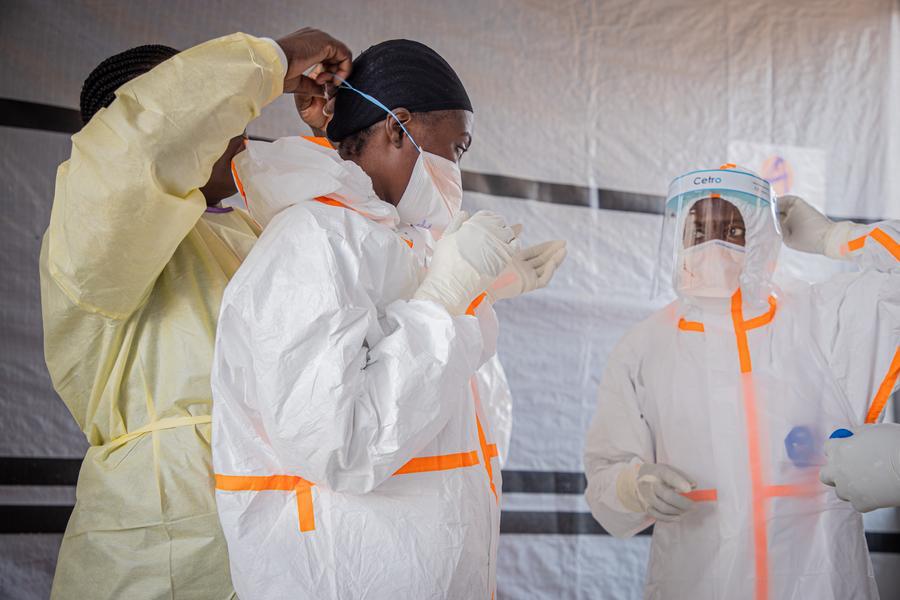
To tackle the crisis, WHO outlined a dual strategy: intensifying response efforts in the epicentre while mapping travel routes and identifying high-risk areas for potential new cases.
GENEVA, July 14 (Xinhua) -- The World Health Organization (WHO) warned on Tuesday that the Ebola outbreak in the Democratic Republic of the Congo (DRC) is the fastest-growing ever recorded, with the majority of new infections now coming from unknown chains of transmission.
Speaking to reporters after returning from the epicentre in Ituri Province, Chikwe Ihekweazu, executive director of WHO's Health Emergencies Programme, said that as of July 11, nearly 2,000 confirmed cases and more than 700 deaths had been reported across five provinces. This makes the current outbreak the third-largest in history.
"We've seen the fastest growth in a single month since the outbreak started and of all the Ebola outbreaks that we have managed," Ihekweazu said.
He added that over the past few days, single-day infection numbers have hit record highs, with more than 80 cases confirmed in a 24-hour period.
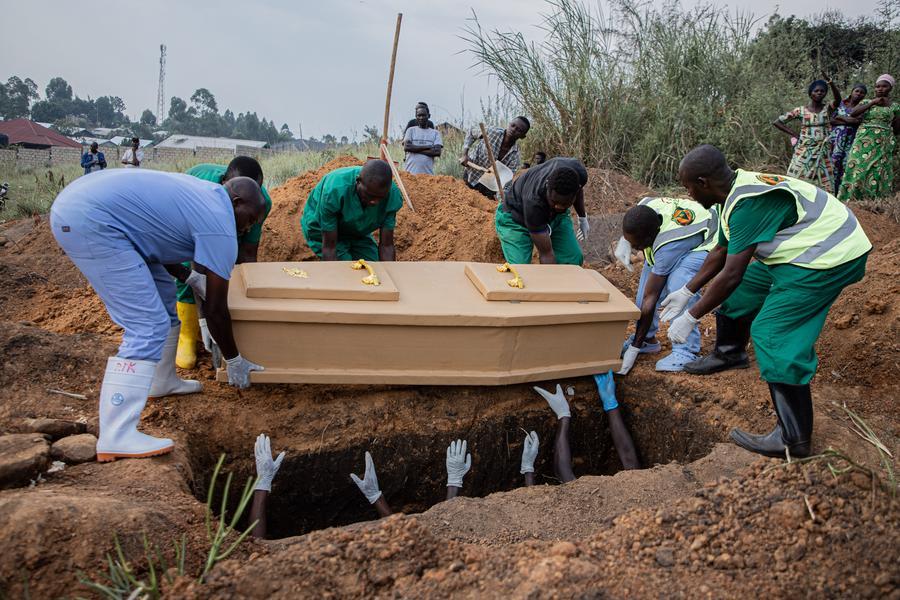
One of the most alarming findings, according to the WHO official, is that many of the newly reported deaths occurred in communities, meaning patients never reached a health facility or received care.
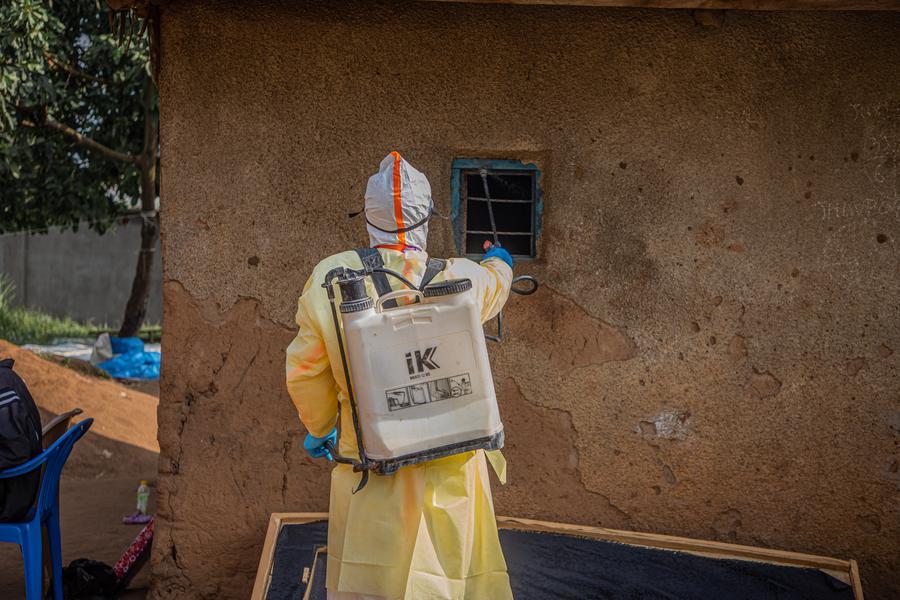
Despite improvements in diagnostics and high contact-tracing rates, Ihekweazu warned that "80 percent of new cases are outside our contact lists and so are coming to us from unknown chains of transmission." WHO modelling suggests the true scale could be "at least two to four times" the number of reported cases.
The outbreak was declared just two months ago. While up to 95 percent of new cases still originate in Ituri, the virus has recently spread to two additional provinces, Haut-Uele and Tshopo.
To tackle the crisis, WHO outlined a dual strategy: intensifying response efforts in the epicentre while mapping travel routes and identifying high-risk areas for potential new cases.
Urging the international community not to become "despondent", Ihekweazu stressed that results are being achieved. "Now is not the time to drop the ball," he said.
Although several therapeutics are undergoing clinical trials and no approved treatment yet exists for the Bundibugyo species, early supportive care significantly improves survival. "We must find the cases earlier, bring them into care as soon as possible," Ihekweazu concluded. ■